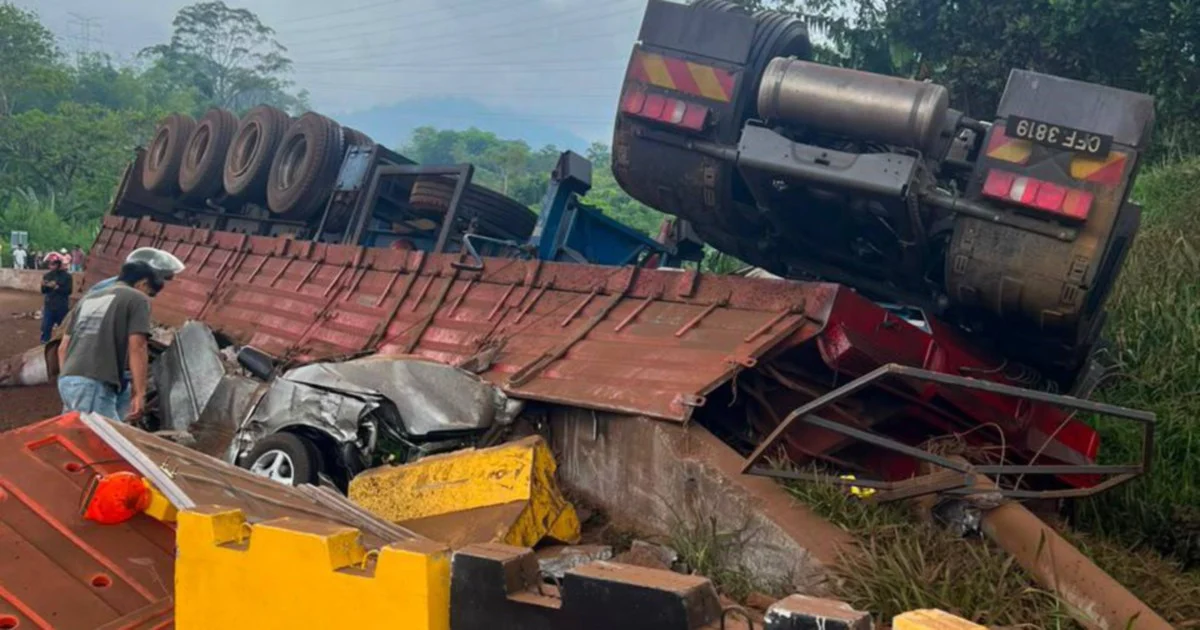
The trailer driver whose vehicle collided with other traffic on Karak Expressway in Bentong on June 14, resulting in the deaths of four people, has been granted police bail as authorities continue their investigation into the circumstances surrounding the incident. The driver, whose identity has not been publicly disclosed, was released from custody pending further developments in the case and potential prosecution proceedings.
The collision occurred on one of Malaysia's busiest north-south arterial routes, highlighting ongoing safety concerns on the Karak Expressway corridor that connects Kuala Lumpur with the east coast. Fatal accidents on this stretch of highway have become a recurring tragedy, with the June 14 incident adding to a troubling trend of serious road incidents involving heavy vehicles. The expressway's undulating terrain, high-speed traffic flows, and the prevalence of commercial vehicles create a challenging driving environment that demands heightened vigilance from operators and enforcement authorities alike.
Four individuals lost their lives in the crash, though the identities of the deceased have not been fully detailed in the investigation timeline. The scale of fatalities underscores the catastrophic consequences that can result from high-speed collisions involving large commercial vehicles on expressways. Investigations into such incidents typically examine multiple factors, including vehicle condition, driver fatigue, adherence to traffic regulations, weather conditions at the time, and road conditions that may have contributed to the sequence of events leading to the collision.
The decision to release the trailer driver on bail reflects standard police procedures in cases pending investigation and prosecution. This interim measure allows authorities to pursue their enquiries while the suspect remains bound by bail conditions, which typically include regular reporting requirements and restrictions on travel. Such conditions serve both investigative interests and public safety considerations while the legal process unfolds.
The Karak Expressway, which traverses Pahang state and serves as a critical link for commerce and passenger transport between the Klang Valley and the east coast, has long been identified as a corridor requiring enhanced safety measures. Heavy vehicle traffic on this route is substantial, particularly during peak seasons when tourist and commercial transport reaches elevated levels. The expressway's design features, including numerous curves and elevation changes, necessitate careful speed management and vehicle maintenance to prevent accidents.
Investigations into fatal expressway collisions typically involve reconstruction specialists, vehicle forensics teams, and traffic accident investigators who work to establish the sequence of events and identify contributing factors. Authorities will examine whether the trailer was properly maintained, whether load securing measures were adequate, and whether the driver adhered to speed limits and safe driving practices. Witness statements from other vehicles involved or present at the scene provide crucial information to investigators piecing together what transpired.
The release on bail does not constitute an admission of liability or guilt, but rather allows the investigation to proceed while the driver remains available for questioning and potential court proceedings. The Malaysian legal system provides this interim measure to balance the rights of the accused with the interests of the investigation and public safety. The driver's release on bail suggests that police have obtained sufficient initial information to proceed with their enquiries without requiring continued detention.
For the families of the four fatalities, the investigation represents the beginning of a longer process toward understanding how their loved ones lost their lives on this expressway. Many such tragic incidents leave lasting questions about whether accidents were preventable, whether regulations were followed, and what systemic improvements might prevent similar occurrences. Road safety remains a critical public health concern across Malaysia, with fatal accidents claiming thousands of lives annually and representing a significant burden on emergency services and healthcare infrastructure.
The outcome of this investigation will likely influence ongoing conversations about road safety standards on major expressways, driver training and licensing requirements for heavy vehicle operators, and enforcement mechanisms designed to prevent dangerous driving behaviours. Industry stakeholders, safety advocates, and government agencies typically examine such incidents for lessons that might inform policy and procedural improvements. Commercial transport operators face increasing scrutiny regarding maintenance standards, driver welfare, and adherence to regulatory frameworks intended to protect other road users.
As the investigation progresses, additional details regarding the circumstances of the collision and the factors that contributed to the tragedy are expected to emerge. The police bail period allows investigators to gather evidence, interview witnesses, and conduct technical analysis of the vehicles involved. This foundational work informs prosecutors' decisions regarding charges and the overall legal proceedings that follow. The case exemplifies the ongoing challenge of balancing transportation efficiency with road safety in a nation where express highways serve vital economic functions while carrying substantial risks for all users.
The Karak Expressway tragedy serves as a reminder of the vulnerability of passengers and other road users when collisions involving heavy vehicles occur at high speeds. Preventive measures, including stricter enforcement of traffic regulations, enhanced vehicle inspection regimes, and driver fatigue management initiatives, continue to be advocated by road safety specialists. As authorities work through their investigation, attention will remain focused on whether systemic improvements might prevent future tragedies on this critical transport corridor.

