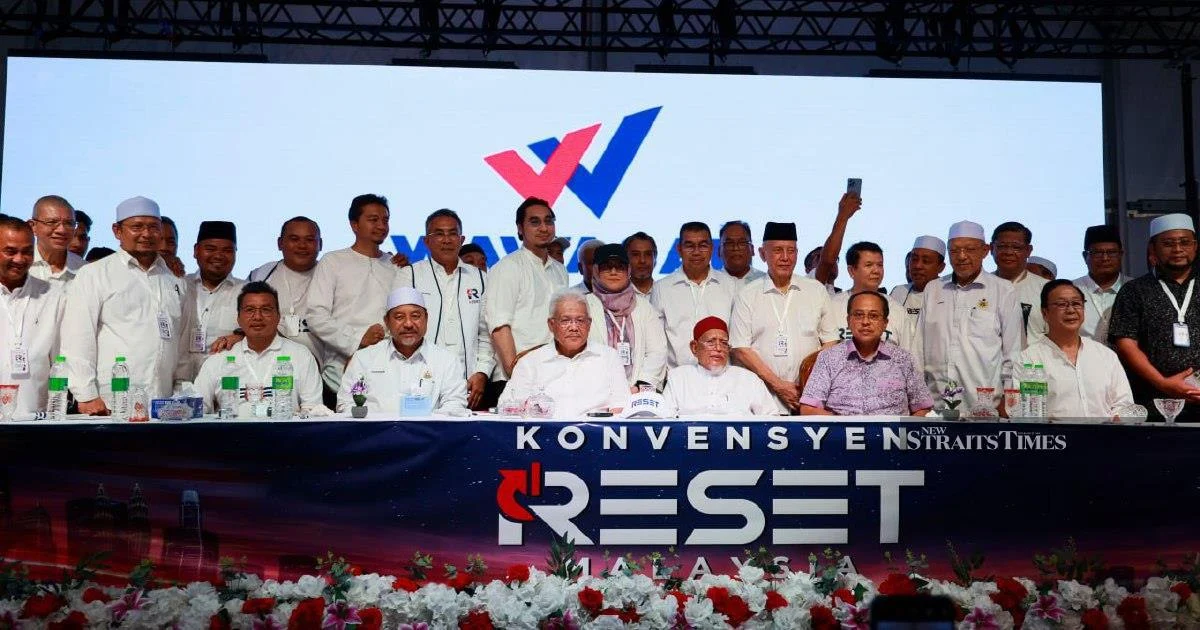
Malaysia's Perikatan Nasional coalition descended into procedural chaos this week when component party Bersatu publicly questioned whether the coalition leadership had properly convened an emergency meeting to admit Wawasan as a new member. The confrontation represents a significant strain on PN's already fragile unity, exposing fundamental disagreements over how major coalition decisions should be made and whether established protocols were followed.
The dispute centres on a PN Supreme Council gathering held Monday evening, during which the coalition reportedly approved Wawasan's membership. However, Bersatu has since challenged the validity of that meeting, arguing that the PN chairman's decision to call it as an emergency session—rather than scheduling a regular convocation—circumvented proper procedures that coalition members expect to follow. This procedural objection carries substantial weight in Malaysian political culture, where governance legitimacy rests heavily on adherence to established rules and protocols, particularly among coalition partners who must trust one another.
The tension reveals deeper anxieties within PN about decision-making authority and the balance of power between the coalition chair and member parties. Bersatu's challenge suggests that at least one major faction believes the chairman acted unilaterally without securing adequate consensus or following established mechanisms for vetting new admissions. In coalition politics, such procedural shortcuts can undermine trust and create resentment among partners who feel sidelined, particularly when decisions affect the coalition's composition and political direction.
Wawasan's admission itself carries strategic implications for PN's positioning in Malaysia's fractious political landscape. The coalition, formed in 2020 as an alternative to the previously dominant Barisan Nasional, has struggled to maintain internal cohesion while competing with other political blocs. Adding new members signals ambitions to broaden appeal and parliamentary strength, but expanding too rapidly without consensus can destabilise existing partnerships. Bersatu's pushback reflects concerns that hasty expansion might compromise the coalition's identity or dilute existing members' influence.
For Malaysian observers tracking coalition politics, this dispute illustrates how procedural legitimacy matters as much as substantive policy in multi-party arrangements. When partners feel their voice has been excluded from major decisions, even ostensibly technical governance matters become lightning rods for broader discontent. The Monday night meeting's emergency status apparently prevented some coalition members from participating adequately or raising concerns beforehand, breeding resentment that has now surfaced publicly.
Bersatu's willingness to challenge the PN chairman directly indicates that the party believes it has sufficient standing within the coalition to contest such decisions. This confidence may reflect Bersatu's historical role and electoral significance, or it may suggest growing factionalism as different PN components pursue divergent strategic interests. Either interpretation points to underlying fragility in the coalition structure, which has faced repeated membership and leadership turbulence since its inception.
The timing of Bersatu's objection—coming after the decision rather than before—suggests the party either lacked opportunity to object during the emergency meeting or believed immediate protest would be futile. This retroactive challenge represents an attempt to restore legitimacy to coalition governance by highlighting procedural failures. Whether this dispute leads to reversing Wawasan's admission or merely establishing better protocols for future decisions remains unclear, but the episode has already damaged perceptions of PN's internal governance.
Regionally, such coalition instability matters because PN's strength or weakness affects not only Malaysian politics but also the broader political dynamics across Southeast Asia. As coalitions negotiate and consolidate power, their internal coherence directly impacts their ability to implement policies and maintain stable governance. For investors, observers, and neighbouring countries monitoring Malaysian political stability, these internal rifts signal potential vulnerability in whatever coalition configuration ultimately governs.
The Bersatu-PN chairman dispute also raises questions about whether PN has established adequate mechanisms for resolving such disagreements. Many successful political coalitions develop clear procedures for emergency decisions, including notification requirements, participation thresholds, and dispute resolution mechanisms. If PN lacks such frameworks, this current conflict may be merely one episode in a longer pattern of procedural disputes that continue eroding coalition functionality and member satisfaction.
Looking forward, PN's response to this challenge will reveal much about the coalition's maturity and adaptability. If leadership acknowledges Bersatu's legitimate procedural concerns and commits to reformed decision-making processes, the coalition might emerge stronger. Conversely, if the chairman dismisses the objections or Bersatu escalates its confrontation, PN risks deeper fractures that could affect its electoral viability and governing capacity in an increasingly competitive Malaysian political environment.

