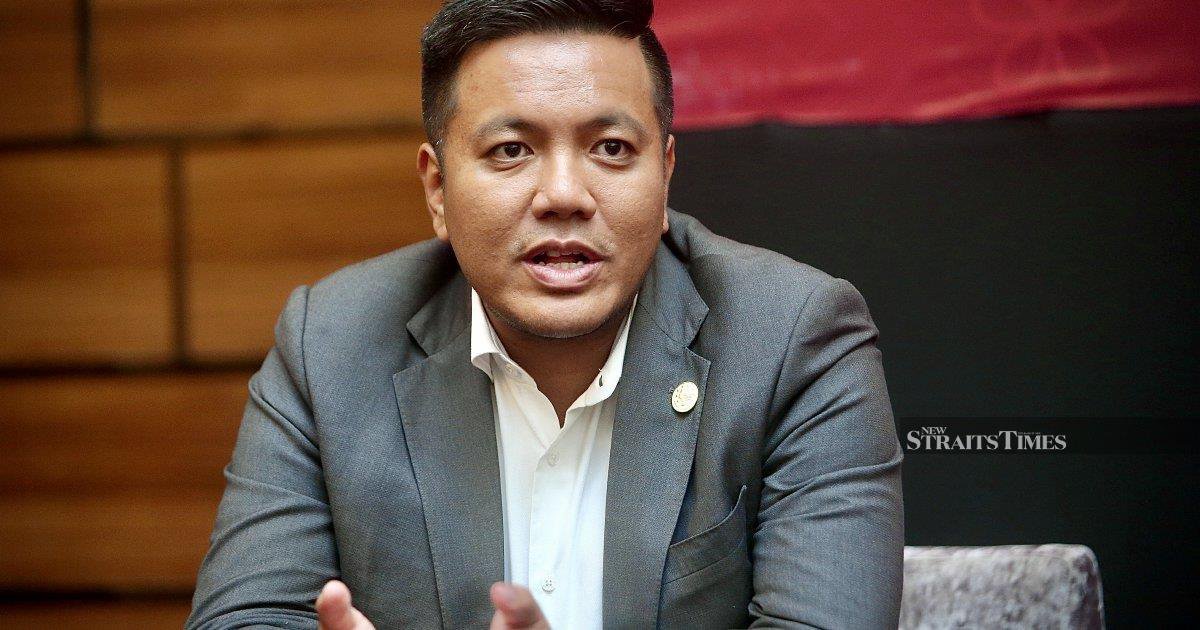
The political party Bersatu has intensified pressure on former Tabung Haji chairman Datuk Seri Abdul Azeez Abdul Rahim to publicly disclose his interaction status with Malaysia's anti-corruption watchdog, following the completion of the Royal Commission of Inquiry into the troubled pilgrimage savings institution. The demand represents Bersatu's effort to push for accountability and transparency regarding potential regulatory action arising from the RCI's investigation into Tabung Haji's operations and governance.
Tabung Haji, which manages savings for Malaysian Muslims planning pilgrimage to Mecca, has faced intense scrutiny in recent years over concerns about its financial management and investment practices. The establishment of the RCI underscored growing public anxiety about how the institution safeguards the retirement and religious savings of hundreds of thousands of Malaysians. The inquiry's findings have become a focal point for political actors seeking to demonstrate commitment to financial accountability and good governance within state-linked institutions.
Bersatu's call for clarity from Azeez carries broader implications for how Malaysia's political leadership addresses potential wrongdoing within major government-linked companies. By demanding public disclosure of MACC's investigative steps, the party appears to be staking out a position favouring openness in corruption investigations rather than closed-door inquiries. This approach reflects shifting expectations among Malaysian lawmakers and the public regarding institutional accountability.
The former chairman's tenure at Tabung Haji coincided with a period marked by substantial investment losses and governance challenges that captured national attention. Portfolio underperformance and questionable investment decisions during his leadership have drawn scrutiny from regulators and lawmakers alike. The RCI process itself signalled the government's determination to examine governance failures and identify potential misconduct at institutional levels that affect millions of Malaysian pilgrims.
Azeez has not previously made public statements responding to specific allegations or regulatory inquiries related to his stewardship of the fund. His silence on potential MACC contact has become strategically significant, particularly given that RCI findings often trigger enforcement actions by anti-corruption authorities. Political parties are now using Azeez's disclosure status as a measure of institutional responsiveness to the inquiry's conclusions.
The MACC's track record investigating high-profile figures in government-linked institutions has varied considerably, with some prominent cases resulting in prosecutions while others have concluded without formal charges. This inconsistency has occasionally drawn criticism from observers concerned about the consistency and impartiality of corruption investigations. Public disclosure of investigative progress could therefore bolster confidence in the anti-corruption process, particularly given the sensitive nature of Tabung Haji's role in managing citizens' religious savings.
Bersatu's intervention reflects competitive political dynamics in Malaysia, where different parties position themselves as champions of accountability. By calling for transparency from Azeez and demanding clarity about MACC's actions, Bersatu aims to demonstrate proactive engagement with governance issues. This strategy allows the party to appeal to voters concerned about institutional integrity without directly accusing Azeez of wrongdoing—a crucial distinction given defamation risks.
The Tabung Haji controversy has broader resonance across Southeast Asia, where concerns about governance at religious and pilgrimage-related funds remain persistent. Several regional nations manage similar institutions serving Muslim populations, and governance failures in one country can influence scrutiny of comparable bodies elsewhere. Malaysia's handling of the Tabung Haji situation therefore carries implications beyond its borders for how regional governments approach financial stewardship of religious savings instruments.
Regulatory and political pressures on Azeez must be understood within Malaysia's contemporary governance environment, where public expectations for accountability have substantially increased. Digital media and civil society scrutiny make it increasingly difficult for institutional leaders to operate with traditional discretion. The expectation now is that significant regulatory inquiries should produce visible enforcement outcomes, or at least transparent explanations for investigative conclusions.
Azeez's potential response to Bersatu's demand could set precedents for how other former government-linked company leaders navigate similar situations. If he provides detailed disclosure about MACC contact, it may encourage comparable transparency from other institutional heads facing inquiry-related investigations. Conversely, continued silence could intensify political pressure and spawn speculation about relationships between regulatory agencies and powerful figures in Malaysian business and politics.
The unfolding situation also underscores the complex relationship between political parties, anti-corruption authorities, and public accountability in Malaysia. Bersatu's public demands technically target Azeez rather than the MACC, yet implicitly pressure both the former chairman and the corruption agency to clarify the investigation's status. This indirect approach reflects careful navigation of Malaysia's sensitive political landscape, where direct criticism of anti-corruption authorities can attract unwanted scrutiny.
Moving forward, the extent to which Azeez provides clarity on MACC contact may influence public perception of institutional accountability at Tabung Haji and other government-linked entities. Malaysian investors, pilgrims, and savers increasingly demand visibility into how regulatory systems address governance failures affecting their financial interests. Transparency regarding investigative status represents a minimum threshold for satisfying these heightened expectations.

