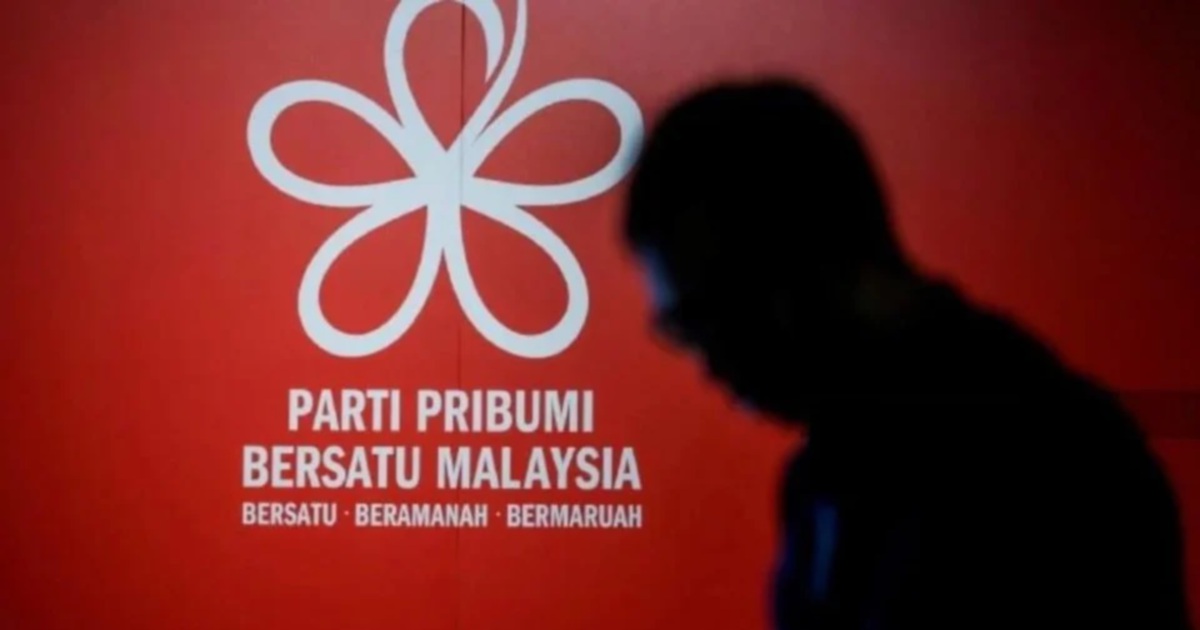
Perlis Menteri Besar Abu Bakar Hamzah has called for Bersatu to urgently bridge divisions within the Perikatan Nasional (PN) coalition and undertake a strategic reassessment before Malaysia's 16th General Election. His remarks underscore growing tensions within the multi-party bloc and highlight the delicate political balancing act required to maintain coalition cohesion in the lead-up to national polls.
The warning from Abu Bakar Hamzah, a senior figure within the PN alliance, signals that fractures within the opposition grouping pose a genuine threat to its electoral viability. Bersatu's standing within PN has come under scrutiny following various policy disagreements and questions about resource allocation among coalition members. For observers tracking Malaysian politics, the statement reflects broader concerns that disunity could undermine PN's capacity to present a unified alternative to the ruling Barisan Nasional and Pakatan Harapan blocs.
Bersatu's trajectory within PN has been complicated by its own internal dynamics and positioning within Malaysia's fractious political landscape. The party has sought to balance leadership ambitions with coalition loyalty, a tension that periodically surfaces in public disagreements over strategy and candidate selection. Abu Bakar Hamzah's intervention suggests that party principals recognise the electoral mathematics favour cohesive opposition groupings, particularly when competing against two other significant political blocs.
The PN coalition itself represents an uneasy alliance forged primarily around opposition to Pakatan Harapan. It brings together Bersatu, PAS, and various component parties from Malaysian states, each with distinct constituencies and ideological orientations. Maintaining unity across such heterogeneous membership requires careful management of intra-coalition disputes and equitable distribution of electoral opportunities. Bersatu's apparent friction with partners threatens this delicate equilibrium.
Electoral strategy represents another dimension of concern. The forthcoming GE16 will occur in a changed political environment shaped by recent years of coalition-building, defections, and electoral realignments. Bersatu must evaluate whether existing PN strategies adequately position the coalition to capitalise on voter sentiment. This strategic review encompasses candidate selection, campaign messaging, and resource concentration in marginal constituencies where PN can realistically challenge ruling coalitions.
The timing of Abu Bakar Hamzah's statement reflects a recognised need for PN members to address grievances before election campaigns begin in earnest. Once polling writs are issued, opportunities for coalition restructuring diminish considerably. Pre-election period therefore represents the optimal window for resolving partnership disputes and clarifying electoral arrangements, particularly regarding seat allocations and campaign coordination mechanisms.
For Malaysian voters and political analysts, the health of opposition coalitions carries significant implications. A fractured PN would reduce competitive pressures on the government, potentially limiting voter choice. Conversely, a unified and credible opposition alliance can encourage genuine electoral competition that tests incumbent performance. Abu Bakar Hamzah's intervention suggests PN leadership recognises the stakes involved in maintaining coalition coherence.
Bersatu specifically faces particular pressure to demonstrate commitment to coalition partners. As a party formed more recently than PAS and with a smaller overall membership base, Bersatu's influence within PN depends substantially on its perceived value to broader coalition objectives. Perceived unilateralism or prioritisation of party interests over collective PN goals risks marginalisation within the grouping.
Regional considerations also matter. Perlis, as a smaller Malaysian state, has particular interest in coalition stability. The Menteri Besar's intervention reflects concerns that PN friction could disadvantage smaller state-based parties in seat allocation negotiations or campaign resource distribution. Perlis's political economy benefits from stable coalitions that protect its constituent interests within larger national groupings.
The broader political context surrounding GE16 involves uncertainty regarding timing and potential shifts in voter preferences. While recent elections suggest Malaysian electorates remain volatile, capable of significant swings between contests, most analyses indicate that fragmented opposition blocs struggle against more unified governing coalitions. This structural reality makes opposition unity a prerequisite for competitive general elections.
Bersatu's strategic choices in the coming months will substantially influence PN's electoral prospects. The party leadership must determine whether commitment to coalition objectives or independent political positioning better serves long-term organisational interests. Abu Bakar Hamzah's statement attempts to frame coalition loyalty as mutually beneficial, suggesting that PN success ultimately benefits all member parties through electoral gains and subsequent government participation opportunities.
The call for strategic review specifically suggests that current PN electoral approaches may require adjustment. This could encompass geographic reallocation of campaign emphasis, refinement of messaging around core policy platforms, or modified candidate positioning intended to broaden PN's appeal. Such calibration becomes easier through coalition consensus than through unilateral party action.
As Malaysia approaches GE16, the capacity of opposition coalitions to function as coherent political units will significantly shape electoral competition. Abu Bakar Hamzah's intervention represents an internal attempt to preserve PN functionality through constructive pressure on Bersatu. Whether such warnings translate into substantive reconciliation or continue festering as unresolved tensions will emerge through the parties' subsequent actions and public positioning on coalition matters.

