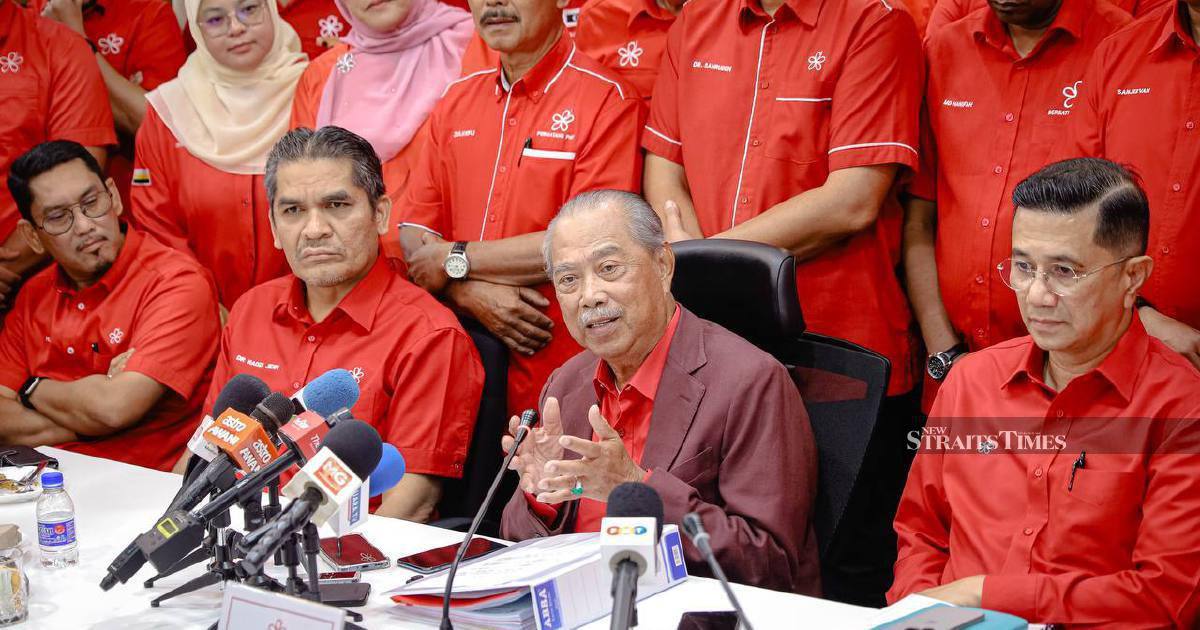
Bersatu's leadership has adopted a combative stance on the possibility of a three-cornered contest in Johor, signalling the party will not shy away from a direct electoral battle with Pas should both coalitions seek identical seats in the state. The Bersatu president Tan Sri Muhyiddin Yassin delivered this message as the political landscape in Malaysia's southern state remains fluid, with coalition negotiations still ongoing between the various component parties jockeying for position ahead of eventual polling day.
The prospect of Bersatu and Pas contesting the same constituencies represents a significant risk to both parties, as a split vote among Malay-Muslim voters could benefit opposing candidates from rival coalitions. Traditionally, seat-sharing arrangements between components of the Perikatan Nasional and Barisan Nasional have been negotiated to minimise such clashes, but discussions appear less settled this time around. Muhyiddin's willingness to countenance such contests suggests either confidence in Bersatu's ground support or a hardening of positions during negotiations.
The Johor state election carries substantial weight in Malaysian politics given the state's size, economic importance, and its position as a kingmaker in federal politics. The state has long been a Barisan Nasional stronghold, though recent elections have seen inroads by Perikatan Nasional, which includes Bersatu and Pas among its primary components. The outcome will significantly influence the balance of power within both coalitions and may alter the trajectory of national politics.
Pas has strengthened considerably across the Johor electorate in recent years, capturing numerous parliamentary seats and expanding its grassroots organisation. This growth has created overlapping claims for constituencies where both Pas and Bersatu believe they possess the strongest chance of victory. Negotiations between component parties of the broader Perikatan Nasional framework have reportedly stalled on several contentious seats where both parties refuse to yield their nominations.
Muhyiddin's declaration should be understood within the context of Bersatu's declining influence at the national level and its efforts to maintain relevance. The party faces pressure from internal critics questioning its strategic direction and questioning whether continuing within Perikatan Nasional serves the party's interests. A showing of strength in Johor, even through contested seats, could help shore up Muhyiddin's leadership credentials and demonstrate the party retains electoral viability.
The regional implications extend beyond Johor itself. Southeast Asian observers and Malaysian political analysts note that state elections increasingly serve as barometers for coalition stability at the federal level. A fragmented Perikatan Nasional response in Johor, marked by component parties competing rather than cooperating, would signal deeper structural problems within the coalition and potentially embolden Barisan Nasional and other opposition groupings.
For Malaysian voters, seat clashes between component parties of the same coalition create genuine complications. Supporters who favour Perikatan Nasional's broader agenda must choose between its member parties without clear guidance on which candidate best represents coalition interests. This ambiguity can depress turnout among base supporters and create resentment that persists beyond the immediate election.
Pas leadership has made separate statements indicating similar readiness to contest seats currently being claimed by other Perikatan Nasional partners. The religious party, emboldened by its recent electoral successes and strengthened organisational capacity, shows less willingness to accept disadvantageous seat allocations than it did previously. This represents a power shift within the coalition, where Pas increasingly operates from a position of strength.
The timing of Muhyiddin's remarks suggests negotiations remain ongoing but at an impasse on multiple constituencies. By publicly stating preparedness for contests, Bersatu signals it will not accept unfavourable terms and hopes to push Pas toward compromise on certain strategic seats. Simultaneously, the statement serves a domestic audience within Bersatu itself, reassuring party members and division leaders that their claims will not be surrendered without struggle.
Barisan Nasional and its allies will monitor these negotiations closely. Any failure by Perikatan Nasional to present a united front in Johor creates opportunities for the ruling coalition to retain or recapture lost ground. The state's competitive dynamics suggest that vote fragmentation, should it occur, could indeed benefit Barisan Nasional candidates in marginal constituencies previously held by Perikatan Nasional.
Looking ahead, observer analysts expect intensive behind-the-scenes negotiations before any formal announcement of candidate lists. Senior leaders from both parties and their mentors will likely intervene to broker compromises on the most contentious seats. Whether such interventions succeed will substantially determine the nature of the Johor electoral contest and the strength of Perikatan Nasional's showing in what remains a crucial proving ground for coalition politics in Malaysia.