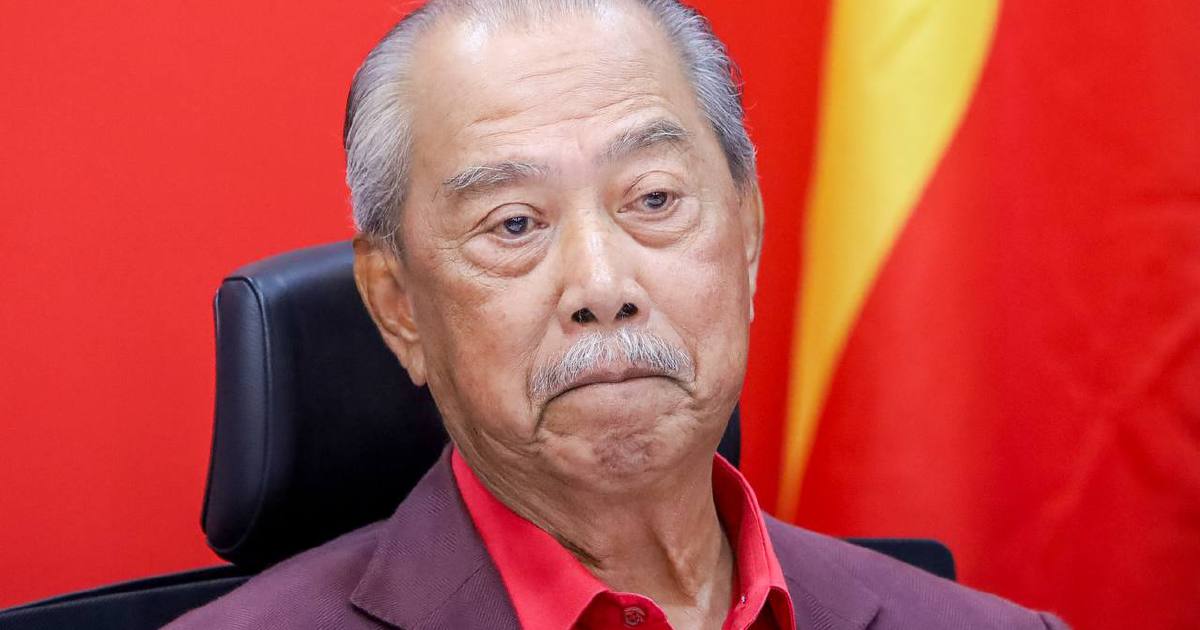
Parti Pribumi Bersatu Malaysia (Bersatu) has reaffirmed its long-term commitment to the Perikatan Nasional (PN) coalition, with party president Tan Sri Muhyiddin Yassin confirming the party's intention to remain a core member of the alliance. This declaration comes as Bersatu prepares for upcoming electoral contests and seeks to consolidate its position within Malaysia's complex multi-party landscape, where coalition stability has become increasingly critical to electoral success.
The party will contest the forthcoming state elections in Johor and Negri Sembilan under the unified Perikatan Nasional logo rather than under Bersatu's own party symbol. This strategic choice underscores the coalition's push toward integrated campaigning and a coordinated electoral strategy across different regions. By adopting a single visual identity at the ballot box, PN aims to present voters with a consolidated alternative to competing political alliances and to maximise vote efficiency through coordinated messaging.
Muhyiddin's statement represents a significant declaration of intent at a time when Malaysian coalition politics remains fluid and subject to shifting party dynamics. The decision to maintain PN membership while utilising the coalition banner reflects calculated positioning as state-level elections approach. For Bersatu, this commitment signals confidence in PN's electoral viability and suggests the party sees greater advantage in collective strength than in pursuing independent candidacies.
The strategic emphasis on the Johor and Negri Sembilan contests is particularly notable given these states' political and electoral significance. Johor, Malaysia's second-largest state by population and a traditional stronghold for established parties, represents crucial battleground territory. Negri Sembilan, meanwhile, presents its own strategic considerations within the broader equation of peninsular state governance. Success in either state would substantially bolster PN's credentials and provide momentum for future contests.
Bersatu's trajectory within PN requires context from Malaysia's recent political history. The party emerged as a significant force following the 2018 general election and the subsequent political realignment that reshaped the nation's coalition structure. Over subsequent years, Bersatu navigated complex relationships with various alliance partners, facing both internal and external pressures that tested the durability of its political commitments. The current reaffirmation of PN loyalty comes after a period during which party unity and coalition partnerships faced scrutiny.
The choice to campaign under the PN logo rather than Bersatu's party symbol carries implications for both voter perception and internal party management. This approach emphasises coalition branding over individual party identity, a strategy that can either amplify collective messaging or potentially dilute individual party recognition depending on electoral performance and campaign execution. For Bersatu members and supporters, the move requires acceptance that party interests are subordinated to broader coalition objectives.
Peikatan Nasional itself comprises several component parties with distinct organisational structures and political bases. Bersatu's confirmation of continued membership strengthens PN's institutional coherence and reduces uncertainty about potential defections or realignments that might otherwise disrupt the coalition's preparations for electoral contests. Such stability matters considerably in Malaysian politics, where coalition discipline directly influences electoral prospects and post-election government formation possibilities.
The electoral calendar in Malaysia ensures that state elections typically precede federal contests, and performance in these intermediate contests often provides indicators of broader political trends. Success in Johor and Negri Sembilan would generate momentum and provide validation of PN's strategic direction, while disappointing results might prompt reassessment of coalition effectiveness or party positioning. Muhyiddin's statement can be understood partly as an effort to project confidence in PN's electoral prospects and to discourage potential party members or supporters from hedging their political bets.
For Malaysian voters in these states, the PN coalition presents itself as a substantive political alternative characterised by unified direction and coordinated policy positioning. The use of a single coalition logo aims to transcend narrow party tribalism and appeal to voters seeking consolidated governance at the state level. How effectively this branding translates into electoral support will depend on campaign quality, policy messaging, candidate selection, and broader voter sentiment regarding the coalition's track record and proposed agenda.
The timing of Muhyiddin's statement also warrants consideration within the broader context of Malaysian political developments. By publicly reaffirming Bersatu's PN commitment now, the party leadership signals stability and resolve to both internal supporters and external observers. Such declarations serve multiple purposes: reassuring coalition partners of Bersatu's reliability, demonstrating party cohesion to members and grassroots supporters, and projecting an image of durability to voters evaluating which political forces merit their electoral backing.
Looking ahead, Bersatu's performance in the Johor and Negri Sembilan elections will substantially influence both its internal standing within PN and its broader political trajectory in Malaysian politics. These contests will test whether the coalition's unified branding strategy delivers electoral gains or whether other factors prove more determinative. The outcome will likely shape not only PN's positioning for future contests but also influence internal party dynamics and potential realignments within Malaysia's constantly evolving political ecosystem.