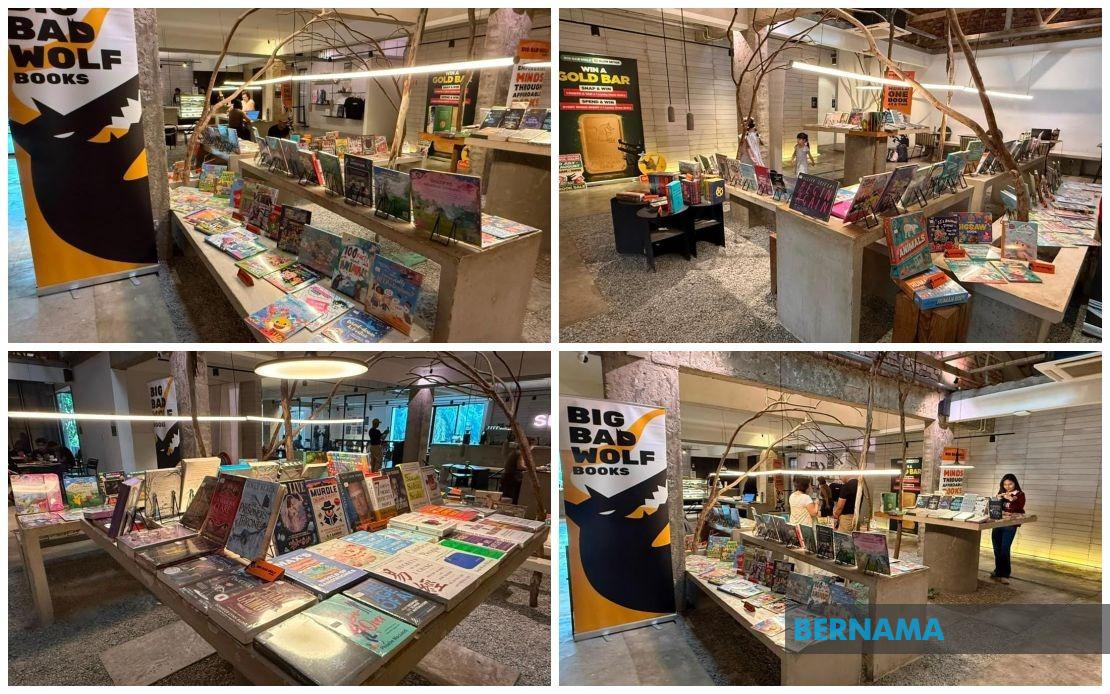
Malaysia's largest and most anticipated book fair, Big Bad Wolf Books, is preparing to make a significant impact in Kedah when it opens in Alor Setar later this month. The event, running from July 30 through August 9 at the Sultan Abdul Halim Stadium, represents a sustained commitment to building reading enthusiasm across the country's diverse communities. With free admission throughout the eleven-day run and operating hours from 10 am to 10 pm daily, the fair promises accessibility for working families and students alike.
The 2024 edition distinguishes itself through a substantial inventory refresh, with organisers introducing fresh content across forty percent of their collection. This deliberate curation effort signals recognition that reader preferences evolve and that maintaining visitor interest requires continuous novelty. Beyond simply rotating stock, the decision to refresh such a significant portion of offerings reflects strategic planning to ensure that repeat visitors from previous years discover genuinely new material rather than familiar selections. For a state like Kedah that has hosted the event previously, this refresh becomes crucial to generating renewed excitement and justifying another trip to the stadium.
A particularly noteworthy addition this year is the debut of the "Little Ummah" Islamic children's books collection in Kedah. This represents the first time the fair has brought this specialised range to the state, acknowledging the religious and cultural composition of the local population. According to BBW representative Chloe Lim Sooi Yee, the curators are confident that these titles will resonate with Kedah families seeking age-appropriate Islamic educational content. The move demonstrates how Malaysia's largest book fair adapts its offerings to serve local preferences and community values, moving beyond a one-size-fits-all approach that might characterise less thoughtful retail operations.
The sheer scale of the operation remains impressive. With approximately one million books available across the venue, visitors will encounter extraordinary range in both languages and genres. More importantly, the pricing strategy removes financial barriers to book ownership. Starting prices as low as RM3 mean that even families with limited discretionary spending can leave with multiple volumes. The headline discount offers, reaching up to ninety-five percent off selected titles, transform the fair from a shopping opportunity into a genuine value event that generates word-of-mouth enthusiasm in communities where budgets are tighter.
The fair's organisers have invested in promotional groundwork beyond the physical venue itself. Teams will visit schools throughout the state to build awareness and drive attendance among younger readers and educators. This educational outreach aligns with the stated objective of fostering a comprehensive literacy movement that extends beyond commercial transactions into genuine community cultural development. Students and teachers receive an additional five percent reduction when purchasing at least three books, creating an incentive structure that rewards engagement with reading.
Gameification elements add entertainment value beyond the books themselves. The "spend and win" and "snap and win" campaigns offer visitors chances to win ten-gramme gold bars, introducing an element of excitement that appeals particularly to younger attendees and families seeking value-added experiences. Such campaigns reflect broader retail trends toward experiential shopping but remain particularly effective in markets where gold holds cultural significance for savings and gifting. These mechanics can drive repeat visits throughout the eleven-day window, as participants return hoping for better luck.
The choice of venue in Alor Setar, the Kedah state capital, positions the fair centrally for residents across the state while remaining accessible to commuters from adjacent Perlis and northern Selangor. The stadium's capacity and layout accommodate the substantial inventory and expected visitor flow efficiently. Organisers are targeting thirty-five thousand visitors across the event duration, representing significant footfall for a state capital and reflecting confidence in both the brand's drawing power and local appetite for affordable books.
Big Bad Wolf Books has established itself nationally through its consistent message of accessibility and affordability. In an era where digital reading and entertainment options proliferate, the organisation's persistence in championing physical books through high-volume, discount-driven sales represents a deliberate counternarrative. For Malaysia's publishing ecosystem, the fair serves as a crucial distribution channel that moves inventory, introduces readers to new authors and genres, and generates enthusiasm that smaller independent bookstores struggle to match.
The emphasis on building reading culture carries particular relevance for Kedah, a state where investment in cultural and educational infrastructure sometimes lags more urbanised regions. By bringing one million books and committing resources to school outreach, Big Bad Wolf Books implicitly acknowledges the importance of geographic equity in access to reading materials and knowledge resources. The initiative aligns with broader national conversations about bridging regional disparities in educational opportunity and cultural engagement.
For Malaysian publishers and book distributors, Big Bad Wolf Books represents an essential sales channel, particularly for backlist titles that might otherwise accumulate warehouse stock. The discount model, while appearing punitive to margins, actually moves significant volume that generates publisher revenue at lower per-unit prices but higher total transaction values. This dynamic has made the fair a fixture in Malaysia's book industry calendar, with publishers timing releases and managing inventory cycles around Big Bad Wolf Books events.
The return to Alor Setar also reflects the fair's strategic geographic expansion and consolidation across Malaysian cities. Rather than concentrating exclusively on major metropolitan centres, the organisation demonstrates commitment to broader regional audiences. This approach builds brand loyalty in secondary cities and establishes Big Bad Wolf Books as a genuinely national initiative rather than an Klang Valley-centric operation serving primarily urban middle-class readers.

