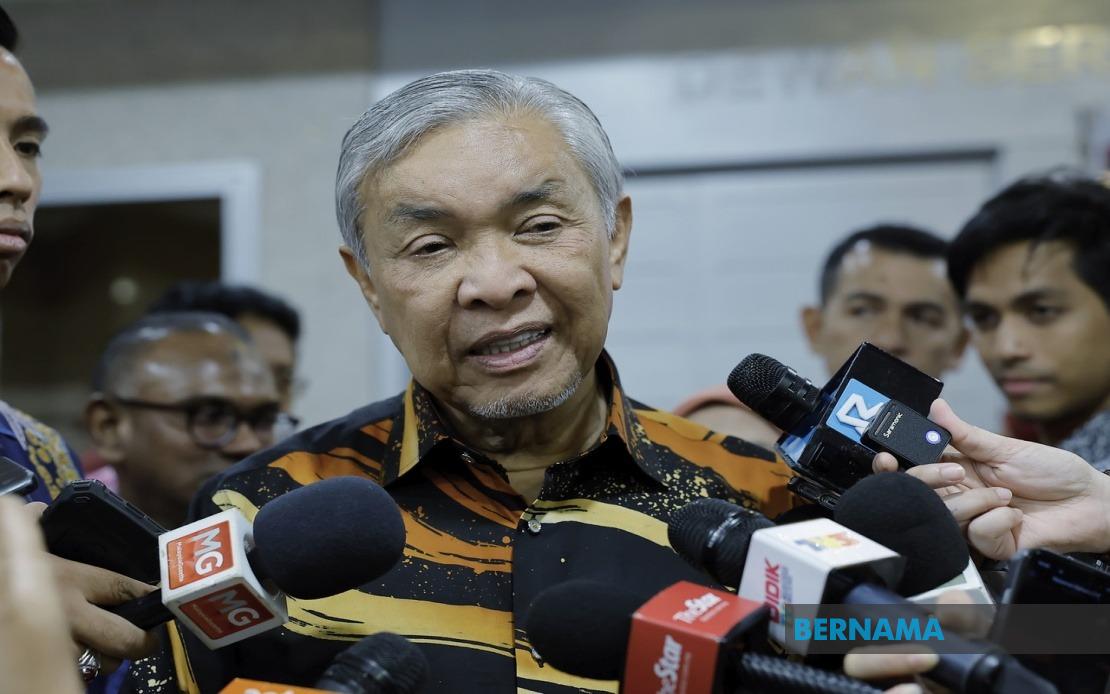
Barisan Nasional and UMNO leadership has made clear they will pursue accountability for anyone implicated in financial irregularities or poor governance at Lembaga Tabung Haji, with BN chairman Datuk Seri Dr Ahmad Zahid Hamidi declaring zero tolerance for such misconduct within the pilgrimage fund and other government institutions. The Deputy Prime Minister's remarks come amid mounting political pressure following a damaging Royal Commission of Inquiry report that detailed systemic failures in how the organisation was run, signalling that the ruling coalition intends to demonstrate competence in managing public funds and restoring confidence in state-owned agencies.
Ahmad Zahid's statement underscores an important shift in how the government is handling the Tabung Haji scandal. Rather than attempting to shield officials or downplay the findings, BN and UMNO leadership appears intent on showing they take breaches of fiduciary duty seriously and will not shield allies from investigation or prosecution. This positioning reflects political calculation—the Tabung Haji affair has become a symbol of governance failure that opposition parties have weaponised effectively, and mishandling the response could further erode public trust in the administration ahead of the next general election.
The Deputy Prime Minister made his comments after the Rural and Regional Development Ministry's monthly gathering, stressing that accountability must extend across all government agencies and statutory bodies, not merely those that attract headlines. This inclusive framing suggests BN recognises systemic governance weaknesses that go beyond Tabung Haji and affect the entire architecture of state-owned enterprises. For Malaysian taxpayers and pilgrims whose savings were invested with Tabung Haji, such commitments offer some reassurance, though implementation will ultimately determine whether words translate into meaningful consequences.
The Royal Commission of Inquiry, which examined Tabung Haji's management and operations between 2014 and 2020, uncovered a troubling pattern of suspicious transactions and deliberate concealment of critical information from regulators and stakeholders. The report's most significant recommendation calls for a comprehensive forensic audit of investment decisions that precipitated a sharp decline in the fund's asset value over the period studied. This decline directly harmed millions of Malaysian pilgrims whose retirement and religious obligation savings lost real value, compounding the institutional breach of trust inherent in poor investment stewardship.
Parliament is scheduled to hold a special session on August 11 to debate the full findings and implications of the RCI report. This parliamentary forum will provide an opportunity for opposition members to interrogate government officials about what remedial action will be taken, whether criminal referrals have been made, and how safeguards will be strengthened to prevent similar failures at Tabung Haji or comparable institutions. The debate will also test whether Ahmad Zahid's promise of uncompromising accountability translates into concrete steps or remains rhetorical positioning.
The forensic audit recommended by the RCI will be crucial in determining the precise mechanics of how funds were misappropriated or invested unwisely, and whether any individual actions constituted fraud, negligence, or breach of fiduciary duty. Such detailed forensic work often takes months or years to complete, meaning that final accountability for specific individuals may take considerable time to materialise. For now, the political imperative is to demonstrate that the BN government takes the matter seriously and is not attempting to bury the findings or protect wrongdoers.
The Tabung Haji scandal reflects broader challenges facing Malaysia's governance framework. State-owned enterprises and statutory bodies often operate with limited transparency and are vulnerable to political interference or lax oversight. The case also highlights risks inherent in concentrating large pools of citizen savings under government management without adequate independent scrutiny. Strengthening institutional checks, independent auditing, and whistleblower protections at entities like Tabung Haji could help prevent similar episodes in future, though such reforms may face resistance from those accustomed to wielding influence over these organisations.
From a regional perspective, Malaysia's handling of the Tabung Haji affair will be watched by other Southeast Asian nations grappling with similar governance challenges. Countries across the region have state-owned enterprises and pilgrimage funds that accumulate substantial capital, and the accountability mechanisms Malaysia implements—or fails to implement—could serve as a cautionary example. Demonstrating that elected officials and appointed managers can be held responsible for financial misconduct, regardless of political affiliation, would strengthen regional confidence in institutional governance more broadly.
Ahmad Zahid's commitment to accountability also carries personal political significance. The Deputy Prime Minister himself has faced legal challenges in his own career and remains a polarising figure in Malaysian politics. His unequivocal stance on holding others responsible for misconduct, therefore, serves partly to rehabilitate his own standing and signal that BN under his and Prime Minister Anwar Ibrahim's leadership takes governance seriously. How rigorously this commitment is enforced, particularly if investigations uncover senior figures close to the government, will ultimately determine whether the promise is genuine or merely political theatre.

