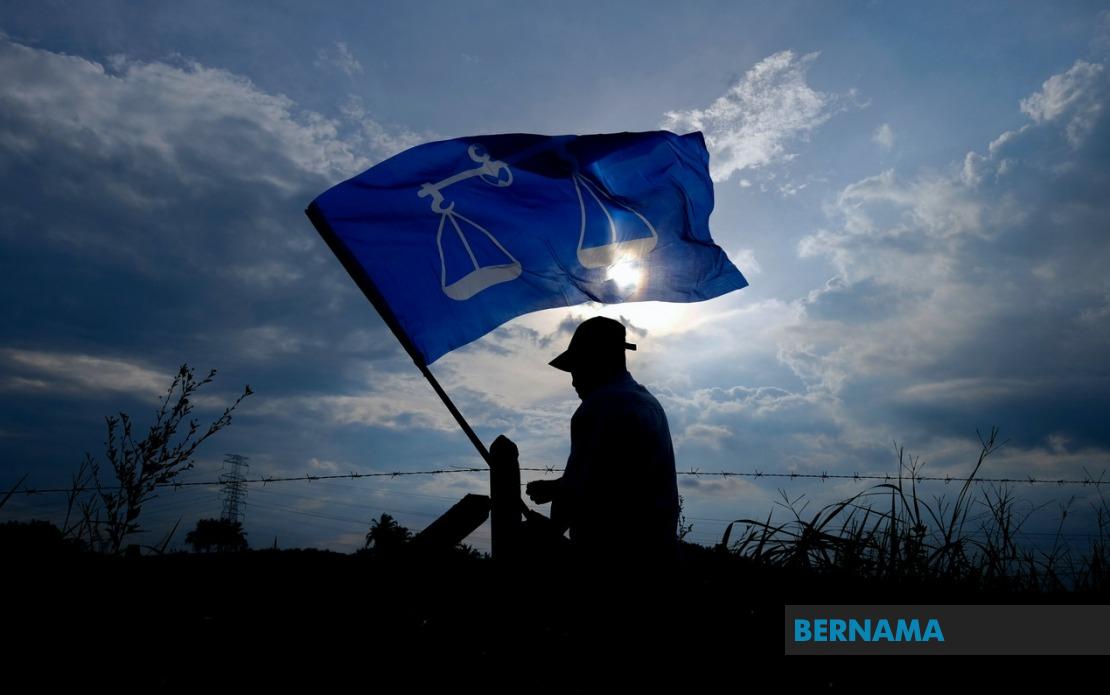
Barisan Nasional's approach to the Negeri Sembilan state election will depart from the coalition's standard playbook, with leadership acknowledging that local demographic realities and historical voting trends demand a recalibrated strategy. BN chairman Datuk Seri Dr Ahmad Zahid Hamidi, who serves concurrently as Deputy Prime Minister, laid out this adaptive framework during a briefing session in Kuala Lumpur on Friday, signalling that the coalition recognises the futility of applying one-size-fits-all tactics across Malaysia's patchwork of electoral constituencies.
The statement reflects a more sophisticated understanding of electoral dynamics than BN has sometimes demonstrated in recent campaigns. Negeri Sembilan presents a distinctly different political landscape compared to other states, primarily due to its smaller number of assembly seats and the particular composition of its population. These structural differences directly influence voting behaviour and community priorities in ways that generic campaigning cannot address. By explicitly acknowledging these variations, BN's leadership has indicated it will invest time in understanding which communities matter most, what issues resonate locally, and how to position candidates accordingly.
Candidates for the upcoming election are expected to be announced within the week, Ahmad Zahid confirmed, though he did not provide specifics about the selection criteria beyond the demographic and voting pattern considerations. This timeline suggests BN has already completed or nearly completed its internal deliberations on candidate allocation, though the exact distribution of seats among BN component parties—UMNO, MCA, MIC, and others—remains unclear. The candidate announcement will be a critical moment, as local sentiment toward individual candidates often matters more in smaller states than in larger electoral contests.
The announcement came shortly after BN's notable victory in the Johor state election, which Ahmad Zahid attributed to organisational resilience and creative campaigning strategies. The coalition's success in Johor, a traditional BN stronghold, provides momentum heading into Negeri Sembilan, though the smaller state presents different challenges and opportunities. Johor's size and urban-rural balance differ markedly from Negeri Sembilan's more constrained geography, underscoring why BN feels obliged to recalibrate rather than replicate.
Cooperation discussions with PAS, particularly regarding potential candidates for the Menteri Besar position, continue to occupy attention within coalition circles. However, Ahmad Zahid was emphatic that no formal agreement exists between BN and PAS at this stage. He characterised ongoing talks as preliminary understanding that has not crystallised into binding commitments, cautioning observers against treating speculation as confirmed arrangements. This distinction matters because it leaves room for BN to retain flexibility should internal party politics or electoral calculations shift before formal decisions are made.
The Deputy Prime Minister's insistence on distinguishing between discussion and agreement reflects broader sensitivities within the Unity Government coalition. PAS occupies an ambiguous position within Malaysia's current political structure—allied with the federal government in certain contexts but competing with coalition partners in state-level politics. The potential inclusion of PAS figures in Negeri Sembilan state administration therefore carries implications for the balance of power within both state and federal governance frameworks, making premature announcements inadvisable.
Comments regarding Housing and Local Government Minister Nga Kor Ming, the DAP deputy chairman, revealed Ahmad Zahid's preference for maintaining unity messaging within the ruling coalition. When asked about calls for Nga's resignation from various quarters, Ahmad Zahid defended the minister and dismissed public criticism as inappropriate given that all parties function as members of a single governing administration. This stance underscores the pragmatic reality that the Unity Government requires suppressing internal divisions in public discourse, even when legitimate policy disagreements exist. The fact that Ahmad Zahid characterised Nga as a personal friend suggests efforts to maintain personal relationships despite political complexity.
Relationships among Unity Government component leaders remain cordial and professional, according to Ahmad Zahid's characterisation, with all parties committed to working as a unified team through the administration's completion. This assertion, while standard political rhetoric, carries weight given the visible tensions that have occasionally surfaced between different government partners over resource allocation, policy direction, and candidate positioning. The need to repeatedly affirm unity signals that underlying currents of competition do exist, even if they remain manageable.
For Malaysian observers and particularly those in Negeri Sembilan, the strategic shift toward demographic-conscious campaigning suggests BN believes it must be more precise in its approach to maintain electoral viability. Larger, well-organised states can sometimes absorb inefficiencies in campaign messaging and candidate deployment; smaller states cannot. The coalition's explicit acknowledgement of this dynamic indicates a maturation in strategic thinking, or alternatively, recognition that past approaches have yielded diminishing returns. How effectively BN translates this strategic awareness into actual candidate selections and campaign messaging will determine whether the Negeri Sembilan election represents a genuine turning point or merely rhetorical adjustment ahead of another exercise in conventional politics.

