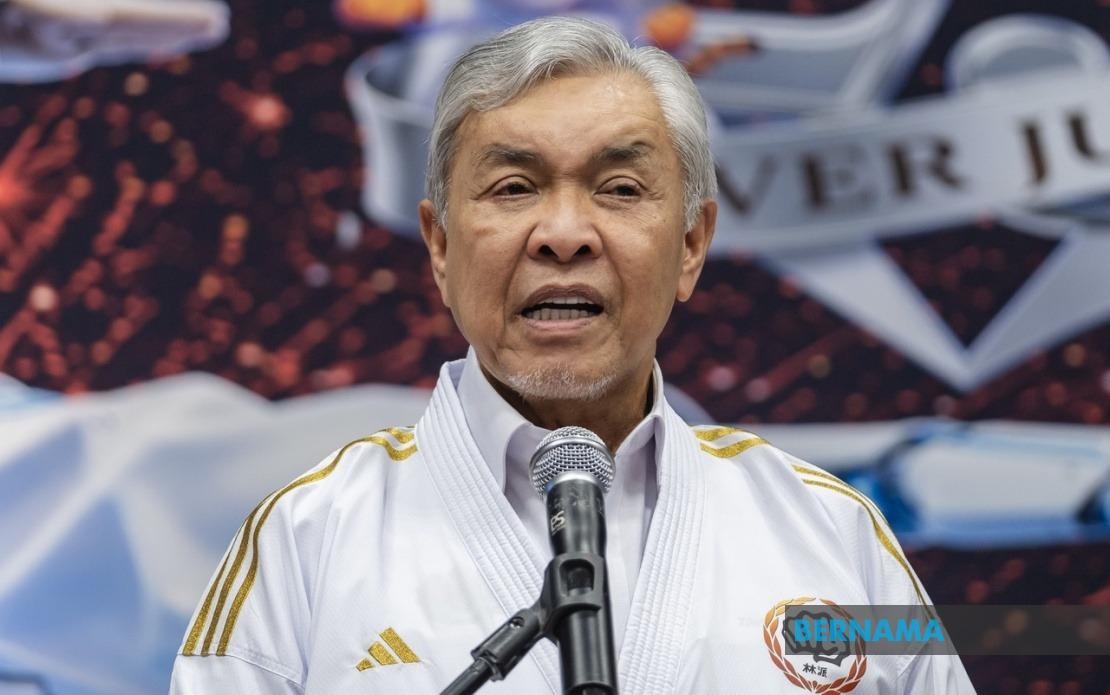
Barisan Nasional has chosen to take a diplomatic approach to the recent resignations of prominent figures, with party chairman Datuk Seri Dr Ahmad Zahid Hamidi emphasizing respect for individual autonomy even as the coalition faces defections just weeks before the crucial Johor state election scheduled for July 11. Rather than adopt a confrontational stance, the UMNO president and Deputy Prime Minister signalled that the party views these departures as a natural exercise of personal choice, striking a tone that suggests confidence in the coalition's electoral prospects despite internal divisions.
The timing of these resignations carries particular significance for Barisan Nasional's election campaign in Johor, a state traditionally considered a BN stronghold. By maintaining a measured public response, BN leadership appears determined to project unity and focus attention squarely on its slate of 56 candidates rather than becoming embroiled in disputes with those departing the fold. This approach reflects a strategic calculation that aggressive counterattacks might amplify negative headlines and distract from the coalition's positive campaign messaging during a critical window before nomination day on June 27.
Among those who have severed ties with the coalition is Datuk Dr Mohd Puad Zarkashi, a former UMNO Supreme Council member whose departure came with public criticism of the party. Mohd Puad announced his resignation effective immediately through a Facebook statement, citing his desire for greater freedom to express his views and opinions without the constraints of party membership. His decision to air grievances publicly, coupled with the timing during the election campaign, initially appeared to present a test of BN's unity and resilience.
Ahmad Zahid's response to these developments underscores a pragmatic philosophy within BN's current leadership. Rather than pursuing disciplinary measures or escalating rhetorical battles, the BN chairman chose instead to acknowledge Mohd Puad's historical contributions to UMNO while wishing him well in his future endeavours. This conciliatory language serves multiple purposes: it prevents the creation of a martyred opponent who might amplify anti-BN messaging, demonstrates magnanimity that voters often reward, and preserves the possibility of future reconciliation should circumstances change.
The second major departure involved incumbent Layang-Layang assemblyman Abd Mutalip Abd Rahim, who not only resigned from UMNO but also crossed over to Bersatu, a component party within the opposition Perikatan Nasional coalition. This defection carries greater electoral significance than Mohd Puad's departure, as it directly affects representation in a specific state seat and indicates that at least one sitting BN representative has lost confidence in the coalition's direction or prospects. Abd Mutalip's move to Perikatan Nasional, rather than remaining independent, signals calculated political realignment rather than mere frustration with party management.
The Johor state election represents a significant barometer for Malaysian politics heading into a potential general election cycle. BN's traditional dominance in Johor has been challenged in recent years, and the coalition cannot afford substantial losses in this stronghold without raising questions about its broader national appeal and legitimacy. Against this backdrop, Ahmad Zahid's emphasis on unity behind the 56 BN candidates constitutes an attempt to reset the narrative and ensure that media coverage focuses on the party's forward-looking campaign rather than internal grievances.
From a regional perspective, these developments reflect broader dynamics affecting coalition politics across Southeast Asia. As political alignments become more fluid and voter bases more volatile, traditional parties struggle to maintain discipline and cohesion. BN's decision to accept departures gracefully rather than engage in acrimonious public disputes aligns with evolving norms around political competition, where harsh recriminations can backfire by alienating swing voters who value stability and professionalism.
The leadership vacuum created by these defections, while manageable in numerical terms given BN's established machinery, represents a symbolic loss that the coalition must address through reinvigorated messaging. Ahmad Zahid's personal involvement in the campaign, highlighted by his participation in the opening of the 25th International Open Karate Championship 2026 just hours after addressing the resignations, demonstrates BN's commitment to maintaining normal political operations despite internal turbulence.
Looking forward to nomination day on June 27, BN's ground machinery will be tested as party officials work to solidify support among candidates, party members, and voters. The coalition's ability to absorb these departures without visible fracturing depends significantly on voter perception that BN remains a cohesive, forward-thinking alternative to Perikatan Nasional and other opposition groupings. Ahmad Zahid's measured response suggests confidence that BN's institutional strength and track record in Johor will ultimately prove decisive.
The broader implication for Malaysian politics concerns how established parties manage dissent and internal disagreement. BN's approach, emphasizing respect for individual choice rather than retribution, may set a standard that elevates political discourse while also preventing the creation of aggrieved former members who become vocal critics. Whether this strategy proves electorally successful will only become clear after July 11, but it demonstrates a maturity in political management that contrasts sharply with more confrontational approaches seen elsewhere in the region.

