Barisan Nasional is preparing to abandon its traditional approach to constituency allocation in Negeri Sembilan for the upcoming state election, marking a significant strategic pivot for the coalition ahead of polling on August 1. The decision to remap seat distributions reflects mounting recognition within BN leadership that voter demographics have shifted substantially across the state, rendering historical allocation patterns increasingly ineffective as a blueprint for electoral success.
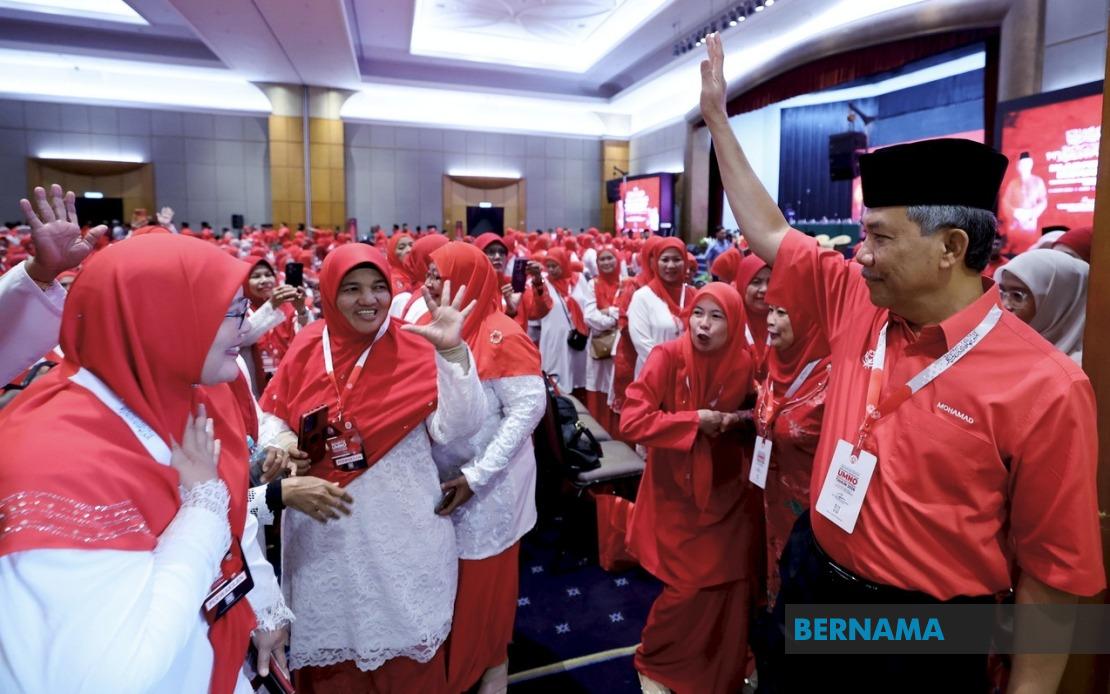
Datuk Seri Mohamad Hasan, serving as both BN deputy chairman and Negeri Sembilan BN chairman, outlined the coalition's reasoning during remarks at a delegates meeting in Seremban on July 5. The existing system, which has long designated specific constituencies to particular BN component parties on a semi-permanent basis, no longer serves the coalition's competitive interests, he indicated. The traditional model of rigidly assigning constituencies—where particular parties contest in the same seats election after election—has become counterproductive, restricting both the flexibility needed to adapt to changing electoral terrain and voter choice itself.
Under the reformulated approach, BN component parties will be afforded the opportunity to contest in constituencies where internal assessments suggest they possess the strongest chances of victory, rather than being confined to historically assigned seats. Mohamad articulated this shift as a necessary correction that acknowledges political realities on the ground. The coalition's internal analysis indicates that several constituencies have experienced substantial compositional changes in their voter bases, rendering previous performance baselines unreliable predictors of future outcomes. By allowing component parties greater flexibility in seat selection, BN aims to position itself more effectively to capture votes where organizational strength and candidate appeal align with local conditions.
The seat reallocation exercise will draw heavily on empirical analysis of previous election results and demographic shifts within each constituency. BN leadership has instructed divisional heads to conduct granular assessments of voter support patterns and population changes to inform recommendations for new seat assignments. This data-driven methodology represents a departure from purely historical or relationship-based allocation decisions. Each division has been directed to submit at least three candidate names per contested seat, providing the upper echelons of the coalition flexibility in finalizing both seat distributions and candidate selections. The candidate announcement is scheduled for July 15, when BN formally launches its election campaign machinery, leaving the coalition operating under considerable time pressure to finalize complex internal negotiations.
However, Mohamad emphasized that any final determination regarding seat allocations and candidate lists remains subject to approval by the BN Supreme Council, the coalition's highest decision-making body at the national level. This hierarchical approval structure ensures that seat-swapping arrangements receive vetting at the central level rather than being determined solely by state-level actors. The Supreme Council's involvement introduces an additional layer of deliberation and potential for inter-party negotiation within BN's power structure. Some component parties may resist losing traditionally secure seats or relocating their political presence to unfamiliar constituencies, necessitating careful arbitration by central leadership to maintain coalition cohesion during the critical pre-election period.
Modifications to seat allocations carry inherent risks for BN's internal stability, a concern Mohamad addressed directly. The coalition has suffered electoral losses in previous contests when internal discord prompted party members to undermine official candidates or mobilize competing slates, effectively splitting the non-opposition vote. BN's leadership is acutely aware that candidates upset by seat reallocation decisions might lack enthusiasm during campaigning or, worse, actively sabotage official campaign efforts. Mohamad therefore stressed the imperative of minimizing internal disputes and maintaining unified party messaging throughout the campaign period. The coalition's ability to execute seat changes while preserving organizational cohesion will largely determine whether the strategic recalibration yields electoral gains or inadvertently weakens BN's competitive position.
The timing of this strategic review occurs against a backdrop of shifting electoral dynamics across Malaysia's constituent states. Negeri Sembilan holds particular significance for BN as a state it has controlled continuously, yet demographic changes and rising opposition competitiveness have made no seat genuinely secure. Younger, increasingly urbanized populations in constituencies surrounding Seremban and other urban centers have demonstrated greater receptiveness to opposition narratives. Simultaneously, rural constituencies have experienced population migration as economic opportunities have concentrated in urban areas. These structural transformations necessitate recalibration of where BN allocates resources and candidate attention to remain electorally competitive.
Regarding his own political future, Mohamad declined to definitively state whether he would defend the Rantau state seat he has held since 2004, instead deferring to party leadership's final determination. This circumspection suggests either genuine openness to stepping aside in favor of younger party figures or political prudence in avoiding premature commitment before Supreme Council deliberations conclude. His potential departure from Rantau would constitute a significant symbolic moment, given his decade-plus tenure and ministerial experience, though it would also demonstrate BN's willingness to refresh its candidate roster in pursuit of improved electoral outcomes.
The Election Commission has established a compressed timeframe for the Negeri Sembilan election process. Nominations occur on July 18, with early voting scheduled for July 28 and election day set for August 1. This accelerated schedule means that any seat reallocation disputes must be resolved rapidly to allow candidates sufficient time for campaign preparation. The July 15 candidate announcement deadline provides only two working days for aggrieved parties to seek reconsideration before the nomination period closes, limiting opportunities for last-minute reversals. This temporal constraint effectively forces BN's Supreme Council to reach final decisions expeditiously, reducing time for protracted negotiations that might otherwise delay resolution of contentious allocation questions.
For Malaysian observers, BN's seat-swapping deliberations illuminate ongoing tensions within the coalition regarding optimal strategies for sustaining electoral dominance. The departure from traditional seat assignments reflects pragmatic recognition that static allocations poorly serve a coalition facing increasingly competitive electoral environments. Yet the risks of internal rupture during the realignment process are substantial. Negeri Sembilan's August election will serve as a crucial test of whether BN can execute strategic recalibration while maintaining the inter-party cohesion essential to coalition electoral success. The state's result will likely influence how BN approaches seat allocation in subsequent electoral contests, potentially establishing new precedents for constituency distribution across Malaysian politics.

