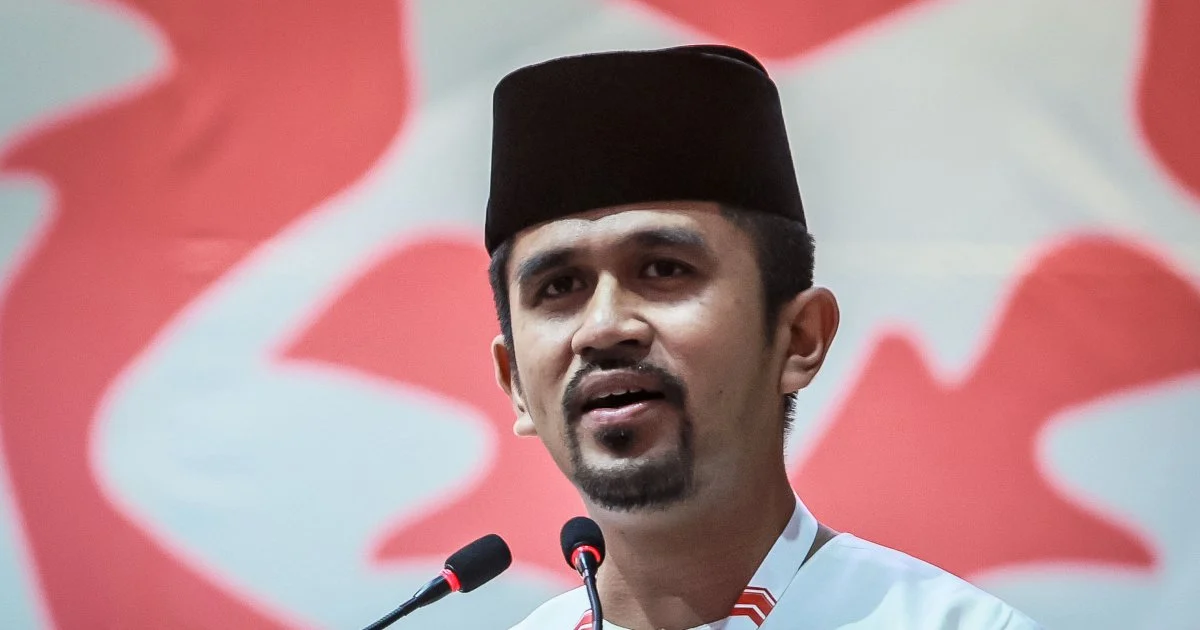
In a pointed challenge to Pakatan Harapan's campaign strategy, Barisan Nasional Youth secretary-general Hafiz Ariffin has raised eyebrows over the notable absence of prominent Johor PH figures from the coalition's slate of candidates for the July 11 state election. The criticism reflects simmering tensions within opposition politics in Malaysia's southern state, where leadership continuity and candidate selection have become flashpoints in the pre-election period.
The BN Youth leader's remarks underscore a strategic vulnerability that PH may face in Johor, where retaining voter confidence depends partly on visible commitment from established political figures. Johor carries significant weight in national politics, and state elections here serve as bellwethers for broader electoral trends. The decision by PH to field a candidate line-up apparently shorn of some familiar faces raises questions about party dynamics, internal negotiations, or calculations about seat-winning potential.
Hafiz Ariffin's intervention represents a conscious effort by BN to exploit perceived weaknesses in the opposition's Johor machinery. By publicly questioning the PH line-up's composition, the Umno Youth figure attempts to plant doubts about opposition unity and the appetite of senior PH leaders to stand for office. Such questioning often resonates with voters who expect their political champions to lead from the front, particularly in state-level contests where regional pride and local representation carry outsized importance.
Pakatan Harapan's decision-making regarding candidate selection reflects broader calculations within the coalition about which seats are winnable, where resources should be concentrated, and how to balance competing interests among its member parties—the Democratic Action Party, Amanah, and PKR. The absence of top-tier leaders from the line-up could stem from strategic positioning for federal politics, age-related retirement decisions, or internal party negotiations that allocated candidacies to other members or constituencies.
In Johor's volatile political landscape, where voter allegiances have shifted markedly over recent election cycles, PH's candidate strategy matters significantly. The state has witnessed dramatic swings from Barisan Nasional dominance to opposition gains and back again, reflecting both national political currents and distinctly local grievances. Top PH figures choosing not to contest directly could be interpreted as either confidence that younger candidates can hold PH's ground or, conversely, as reluctance to risk their own electoral fortunes.
The timing of Hafiz Ariffin's criticism is notable, coming as campaigns intensify and voter attention sharpens. BN, seeking to consolidate its traditional Johor stronghold following recent political realignments at the federal level, has mounted an energetic campaign. The party recognises that Johor remains one of its electoral anchors, and any weakness in PH's campaign apparatus presents opportunities to widen BN's margins or capture seats previously held by the opposition.
For Malaysian voters, particularly those in Johor, the debate about PH's candidate selection carries practical implications. Leadership visibility during campaigns can influence voter confidence and turnout. Constituents typically prefer representing themselves through candidates who have proven track records and strong local roots. When established figures step back from contesting, it can signal either generational transition or strategic retreat—both carry different meanings for how voters evaluate their options.
The Johor state election also occurs within the context of ongoing coalition politics at federal and state levels. PH has held the Johor state government since 2018, though with varying degrees of stability. BN, meanwhile, governs at the federal level following 2022's general election. Competition between these two major coalitions in Johor is therefore not merely about state administration but about narrative and momentum heading into subsequent federal contests.
Opposition politics in Malaysia often struggles with internal cohesion, and questions about candidate selection become proxies for discussions about whether parties are truly united or merely cooperating for electoral advantage. Hafiz Ariffin's public challenge, whether or not it reflects genuine concern or primarily serves as campaign rhetoric, highlights these underlying tensions. How PH chooses to respond—whether through explanation, counter-attack, or silence—will itself communicate messages to voters about the coalition's confidence and unity.
The July 11 Johor state election will ultimately reveal whether PH's candidate selections, whatever their reasoning, prove strategically sound or whether BN can capitalise on any perceived vulnerabilities. The contest carries implications beyond Johor's borders, as outcomes will inform coalition strategies and voter sentiment heading toward future federal elections. For now, Hafiz Ariffin's pointed observations have injected a new element into Johor's electoral narrative, forcing both coalitions to sharpen their messaging about leadership, commitment, and the choice facing voters in the state.

