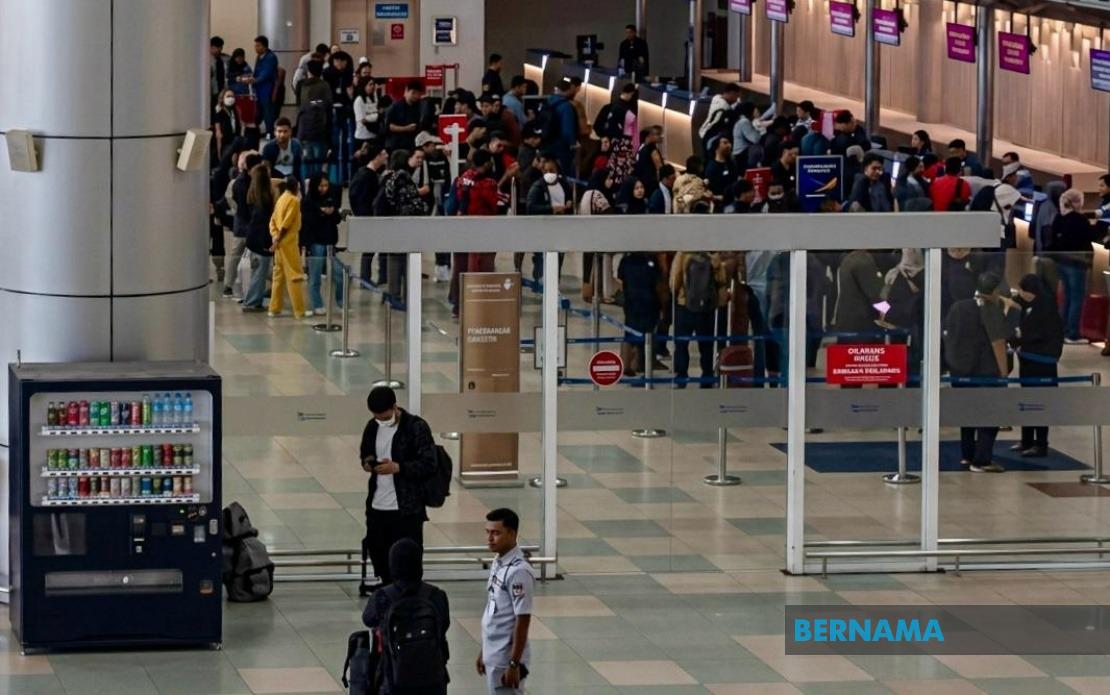
A significant disruption to air traffic in Malaysian Borneo unfolded on Wednesday as Labuan Airport shut down its runway following the discovery of explosive devices in proximity to the facility. The Royal Malaysian Air Force issued a Notice to Airmen at 5pm, formally announcing the temporary suspension of operations and signalling that the facility would remain closed pending completion of safety protocols and formal clearance.
The bombs were located roughly 150 metres from the active runway, close enough to warrant immediate precautionary measures but far enough to allow for controlled inspection procedures. This discovery triggered a coordinated response involving both military aviation authorities and the airport's operational management, who initiated a comprehensive joint examination of the runway infrastructure and surrounding area.
The timing of the discovery created cascading effects across the regional aviation network. At least five scheduled flights departing between 4:05pm and 7:25pm were directly impacted by the closure. Services operating on the critical routes connecting Labuan to Kuala Lumpur, Kota Kinabalu, and Miri—three major commercial hubs in Malaysia—either faced cancellation or experienced significant delays and operational modifications.
For passengers already at the airport or in transit to Labuan, the situation created immediate uncertainty about their journeys. Travellers heading to or from the federal territory were strongly advised to contact their airline operators directly to ascertain real-time flight status and to understand what alternative arrangements might be available. Given the unpredictable nature of security-related airport closures, airlines typically implement flexible rebooking policies, though congestion on alternative routes can limit immediate options.
The practical implications of the closure extend beyond the immediate flight cancellations. Labuan Airport serves as a critical transportation link for the island's business community, offshore oil and gas sector workers, and leisure travellers. Any disruption to its operations affects supply chains, business continuity, and the movement of personnel between the island and mainland Malaysia. The timing during what appears to be midweek operations suggests the disruption fell during a period of regular commercial activity rather than a quieter travel day.
The Royal Malaysian Air Force's assumption of primary responsibility for the safety inspection underscores the security sensitivity of the situation. Military involvement in bomb-related incidents at civilian airports is standard procedure worldwide, reflecting both the technical expertise required for explosive ordnance assessment and the national security implications of such discoveries. The decision to maintain the runway closure until formal all-clear status is obtained reflects international best practices regarding aviation safety.
The initial discovery and reporting mechanism remains unclear from available information, though such findings typically emerge through routine ground maintenance operations, perimeter security patrols, or reports from airport workers. The fact that the explosives were detected and reported allows authorities to manage the situation in a controlled manner rather than facing an active threat scenario. This procedural difference is significant for aviation safety and public reassurance.
Labuan's geographic position as a federal territory located off the coast of Sabah gives the airport strategic importance within Malaysia's transportation infrastructure. The facility handles both scheduled commercial services and business aviation, serving industries including offshore resource extraction. Extended closures at this facility can have measurable economic consequences for companies operating on or serving the island, particularly those with time-sensitive operations.
The investigation process typically involves documentation of the explosive devices, determination of their origin and nature, assessment of whether they pose immediate detonation risk, and clearance procedures to ensure the runway environment is safe for resumed aircraft operations. The duration of such inspections can range from hours to longer periods depending on complexity. The RMAF's commitment to reopening the runway only after completing the inspection and obtaining necessary safety certification indicates a thorough rather than expedited approach.
The broader security context in Malaysian Borneo, while generally stable, involves occasional incidents that require heightened vigilance. Labuan, as a federal territory with international maritime and financial connections, maintains security protocols consistent with its status. The discovery and professional response to this incident demonstrates these systems functioning as intended.
For the aviation sector in Southeast Asia, incidents such as runway closures due to security concerns represent operational challenges that require flexibility and coordination between airports, airlines, military authorities, and passengers. The regional network's ability to absorb diversions and cancellations through alternate routings generally prevents systemic disruption, though individual passengers inevitably experience inconvenience and delay.
The Malaysia Airports Facebook announcement of the NOTAM represents the contemporary standard for communicating aviation-related operational changes to the travelling public and aviation professionals. Real-time notification through official channels allows stakeholders to adjust plans quickly. However, the closure also highlights the importance of maintaining communication channels with airlines, as detailed rebooking and alternative arrangements typically flow through carrier-specific channels rather than centralized airport announcements.
As investigations proceeded, the primary focus remained on completing the safety assessment and restoring normal operations at the earliest possible moment consistent with security requirements. For Labuan's business community and regular travellers, normalcy would return only once the runway reopened with formal clearance. The incident itself, while disruptive, underscores the security infrastructure that protects Malaysian aviation infrastructure and the public whose safety depends upon rigorous protocols being followed without compromise.

