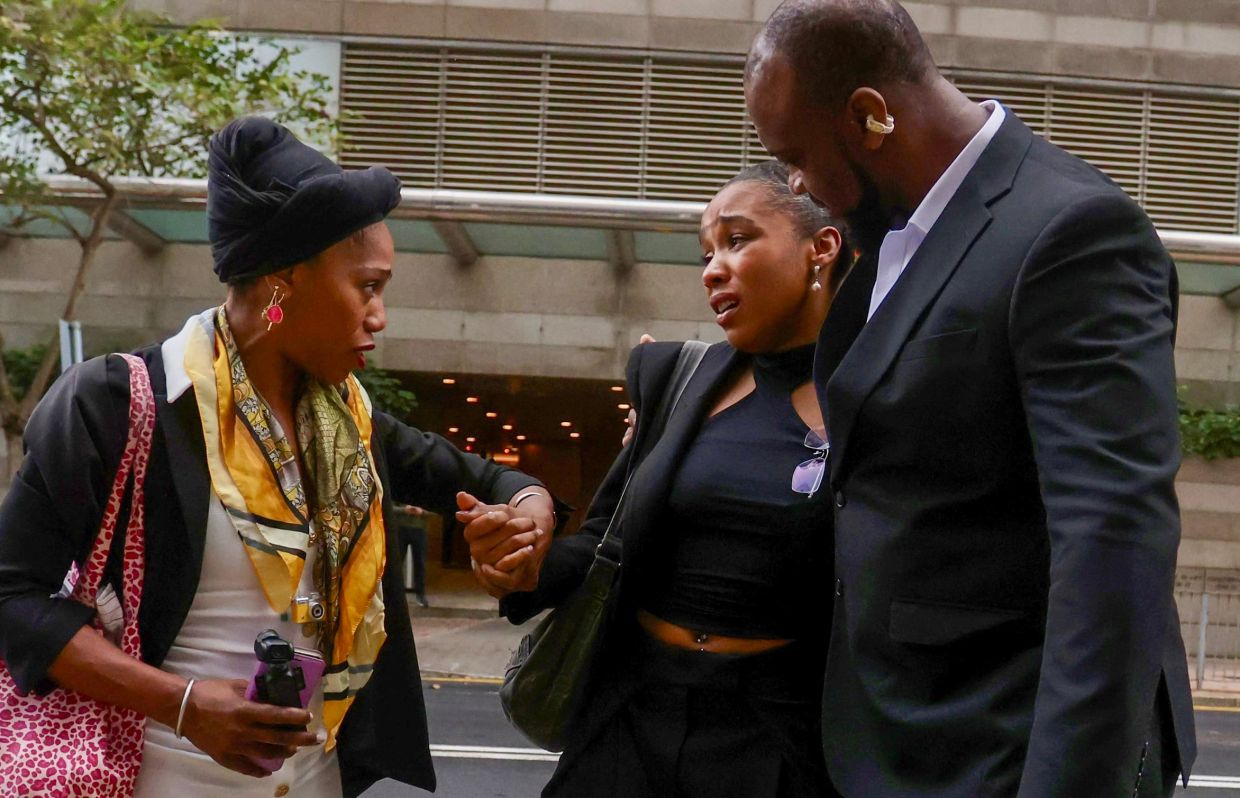
A British woman has been sentenced to six years imprisonment by a Hong Kong court for blackmailing a fellow British national over an alleged rape that judges determined never occurred. Isabel Anonia Barbra Eudora Rose, 26, faced conviction on two counts: blackmail and perverting the course of public justice. The District Court ruling, handed down by Judge Adriana Noelle Tse Ching, centres on events that unfolded over a matter of days in early 2024, exposing vulnerabilities in cross-border disputes and the complexities courts face when distinguishing between genuine allegations and malicious fabrications.
Rose, an event management professional based in London, travelled to Hong Kong on January 31, 2024, intending to visit a man she had encountered during a previous trip to Thailand. Upon arriving at his Central district residence, she claimed he sexually assaulted her that evening. The encounter would trigger a chain of events that rapidly transformed from an alleged crime report into a criminal investigation targeting the accuser herself, illustrating how swiftly narratives can shift within Hong Kong's legal system.
The critical pivot came through communications exchanged between the pair immediately after their encounter. On the day following the alleged assault, the couple sent messages to one another discussing both what had transpired and matters of compensation. Rose wrote directly to him: "You basically raped me." His response indicated shock and distress at the accusation: "That is not what I'm into at all and I feel sick." These contemporaneous messages would later form the evidentiary foundation for the judge's conclusion that the rape allegation lacked credibility.
Judge Tse's assessment of the man's account proved decisive. According to his testimony, he had requested that Rose perform oral sex, which she declined. He acknowledged afterward that he had apologised for "misreading her signals" and "rushing her." When Rose subsequently enquired whether his frustration stemmed from her refusal to proceed with intercourse, he responded by complimenting her restraint while admitting to mild disappointment. The judge determined these exchanges fundamentally contradicted a narrative of non-consensual sexual assault. Medical evidence supported this interpretation: a forensic examination identified bruising on Rose's neck but detected no genital injuries consistent with forced intercourse.
The transition from dispute resolution to extortion began subtly. Initial discussions between the parties concerned reimbursement for accommodation and travel costs Rose had incurred. The man agreed to provide £2,000 at her request, yet Rose subsequently escalated her demand to £5,000. Her messaging pattern escalated in tone and implication. She wrote: "You've given 10 per cent of what I'm owed, 100 per cent of my soul gone," signalling expectations far exceeding legitimate expense reimbursement. The written record did not explicitly capture the £100,000 figure, but Judge Tse concluded Rose had communicated this sum through disappearing messages or voice notes that she subsequently deleted—a finding that became pivotal to the blackmail conviction.
Within the documented exchange, Rose's demands intensified dramatically. When the man protested his inability to pay the six-figure sum, stating "I don't have £100k, I have no way of paying you that," Rose responded with urgency and threat: "You have half of it which can be sent. And the other half tomorrow." Judge Tse determined Rose had explicitly demanded the money whilst threatening police involvement if payment did not arrive by a specified deadline. This combination of financial demand coupled with threatened legal action formed the nucleus of the blackmail charge.
Rose reported the alleged assault to police on February 3, merely three days after her arrival in Hong Kong. Initial police response resulted in the arrest and questioning of the man. However, law enforcement pivoted swiftly. Police detained Rose the following day and subsequently filed charges against her rather than the man. This reversal underscores how thorough investigation into the communications between the parties and the suspicious financial demands led authorities to reconsider the narrative. The Crown's decision to prosecute Rose rather than defend against her allegations suggests the evidence against her proved overwhelming.
Judge Tse's sentencing remarks revealed deep disapproval of Rose's conduct. She characterised the offence as "cruel and evil," arguing that Rose had deliberately exploited her victim's "kindness, naivety, friendship and romantic interest" to extract money. The judge concluded Rose had targeted the man for his financial resources from the outset and had weaponised the relationship within forty-eight hours of her Hong Kong arrival to demand payment. Tse set an initial five-year sentence for blackmail and imposed an additional consecutive year for the perverting justice charge, bringing the total to six years. She described Rose as "an author of her own wrongdoing" and labelled her false police report as "vengeful and wicked behaviour," suggesting the false accusation represented punishment for the man's refusal to capitulate to her financial demands.
Following the guilty verdict delivered in March, Rose visibly collapsed in the courtroom, breaking down in tears before being remanded into custody. In subsequent remarks to media, she expressed disbelief at her conviction and the trajectory of events. She told the South China Morning Post that arriving in Hong Kong as a tourist had transformed into a nightmare scenario she struggled to comprehend. "I reported the rape. But within 24 hours, there was no rape any more," she stated, noting that police officers had indicated they would prioritise the blackmail investigation. Her comments suggest she viewed the shift in police focus as authorities abandoning her original complaint rather than as evidence that her account lacked credibility. She characterised her imprisonment as something she must simply "suck up," reflecting either resignation or continued denial about the circumstances that led to her conviction.
The case carries significant implications for international travellers and the enforcement of Hong Kong's criminal law. It demonstrates that sophisticated investigation into messaging records and financial communications can expose attempts to weaponise sexual assault allegations for extortion purposes. For Malaysian and regional readers, the judgment serves as a cautionary tale about the consequences of false accusations and attempted blackmail in jurisdictions with robust evidence-gathering capabilities. Hong Kong courts' willingness to convict based on contemporaneous communications and to impose substantial sentences reflects a hardline approach to crimes involving false reports and extortion. The case also raises questions about due process when accused persons undergo rapid shifts from accused of sexual assault to defendants in extortion cases, highlighting the importance of thorough investigation before public allegations surface.

