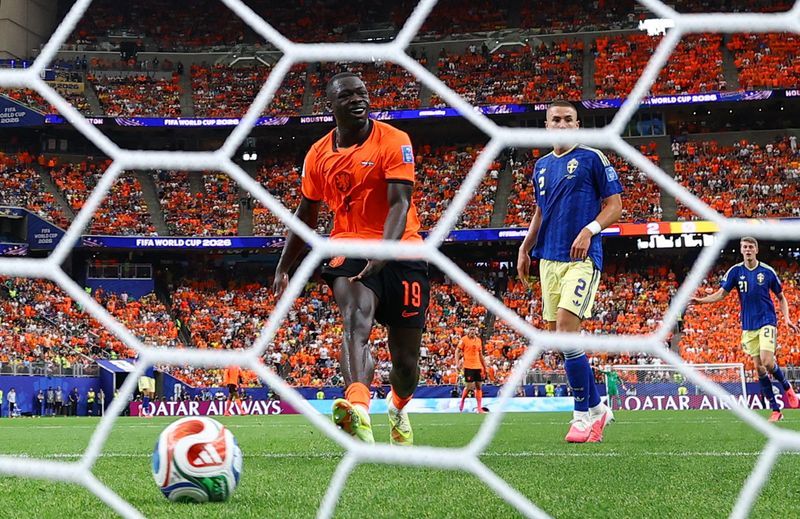
Brian Brobbey's stunning performance against Sweden has fundamentally altered the tactical landscape for the Netherlands at the World Cup, presenting Ronald Koeman with a clear pathway forward for his attacking formation. The 24-year-old striker's clinical finishing in the opening 17 minutes against the Swedes—producing a double that set the tone for an emphatic 5-1 victory—has vindicated the Dutch coach's bold selection decision and dramatically shifted the narrative following widespread criticism of his substitution strategy in the tournament's opening match.
Koeman's managerial fortunes shifted dramatically within a seven-day period, moving from substantial scrutiny over his tactical adjustments during the 2-2 stalemate with Japan in Dallas to considerable praise for his forward-thinking team selection against Sweden. The nature of international football often dictates such volatile shifts in perception, yet Koeman's decision to deploy Brobbey as his primary attacking threat proved far more than merely fortunate. The Netherlands have moved atop their Group F standings on the back of their superior performance against the Swedes, establishing momentum heading into the competition's middle stages.
Brobbey's emergence as a serious contender for the central attacking role represents a significant development for Dutch football. The 24-year-old had occupied an uncertain position within the national setup, effectively exiled from the squad during the 2026 World Cup qualification campaign. His return to the international fold came only recently, in March, following a year-long absence that had appeared to diminish his prospects of meaningful involvement in tournament football. Yet his trajectory has shifted considerably following his period in English football, which has substantially refined his technical capabilities and match sharpness.
The striker's own assessment of his development provides valuable insight into the improvements he has achieved. Speaking at the Dutch training camp ahead of the tournament, Brobbey emphasized that his growth extends beyond the physical battles traditionally expected of centre-forwards operating in top-level football. He has developed genuine running intelligence, acquiring the ability to drift into productive spaces from deeper positions and executing the kind of off-the-ball movements that characterize elite modern strikers. This evolution represents a departure from stereotypical centre-forward play and suggests a more sophisticated understanding of contemporary attacking patterns.
Brobbey's stint at Sunderland in the English Premier League has functioned as a genuine accelerant for his development. Playing in one of world football's most competitive leagues has exposed him to the intensity and tactical sophistication required at the highest level. The physical and technical demands of consistent Premier League competition have forged a more complete attacking player capable of operating effectively within the complex systems deployed by major national teams at the World Cup level.
The supporting cast surrounding the Netherlands' attacking play should facilitate further goal-scoring opportunities for whoever assumes the lead striker role. Cody Gakpo's positioning on the left flank provides intelligent service from wide areas, while fullback Denzel Dumfries's overlapping runs on the right create additional penetrative options. The emergence of Crysencio Summerville within the attacking framework has introduced further creative dimension to Koeman's system, ensuring that the primary striker will benefit from consistent and varied service throughout subsequent matches.
Brobbey's finishing demonstrated genuine clinical precision in the moments when the game remained undecided. His capacity to execute cleanly during the opening stages of the Swedish encounter proved decisive in establishing the necessary psychological advantage. In stark contrast, Memphis Depay—the Netherlands' record goalscorer and the player Brobbey threatens to displace—has appeared blunted following an extended injury recovery period. The differential between Depay's current sharpness and Brobbey's evident match fitness creates a tactical argument extending beyond mere comparative ability.
The Netherlands have confronted an emerging reality regarding generational succession within their attacking formation. Depay's profound contribution to Dutch football's recent trajectory remains undeniable, yet time's progression necessarily dictates consideration of alternative solutions. Brobbey has seized the opportunity presented by this transition period with considerable conviction, offering Koeman a viable pathway toward sustained attacking threat as the tournament progresses. His assertive intervention against Sweden has essentially placed his name at the forefront of this discussion regarding the future of Dutch attacking play.
The implications of Brobbey's breakthrough extend beyond immediate tactical selection. His success validates Koeman's willingness to embrace unconventional decisions when merit dictates such choices. Following the criticism surrounding the Japan encounter, the coach might have retreated toward conservative selection procedures; instead, he demonstrated sufficient conviction in his analysis to implement a significant change. This managerial resilience, combined with Brobbey's performance quality, creates a compelling narrative regarding the Dutch team's trajectory through the tournament's remaining stages. Whether the striker can sustain this momentum and ultimately establish himself as Depay's permanent successor will depend on consistent output during the knockout phases ahead.

