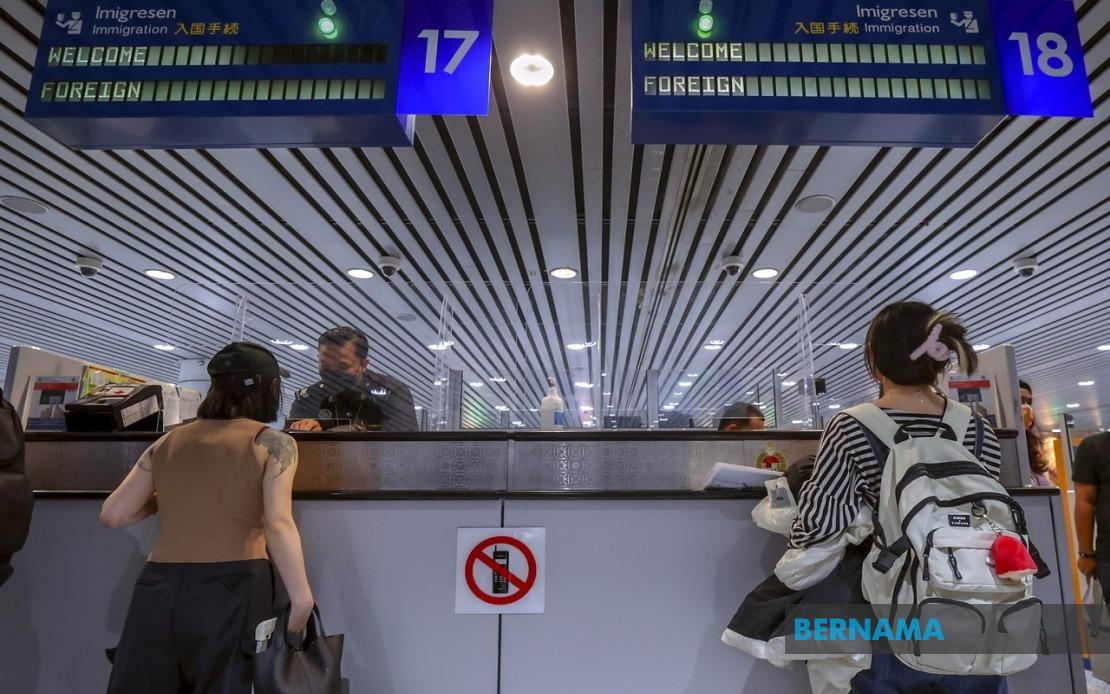
Malaysia's Cabinet has endorsed a comprehensive 17-point security framework designed to tighten controls, screening procedures and risk assessment mechanisms at Kuala Lumpur International Airport and the nation's international gateways. The Home Ministry and Ministry of Transport presented the joint memorandum at yesterday's Cabinet session, signalling a decisive government response to mounting concerns about vulnerabilities in the country's border security infrastructure.
The decision comes in the wake of several high-profile breaches that have exposed gaps in current protocols. Most notably, a Malaysian pilot was apprehended at Indonesia's Soekarno-Hatta International Airport with approximately 25 kilogramme of MDMA, highlighting how personnel with legitimate access to restricted areas can pose significant risks. These incidents have prompted officials to fundamentally reassess how Malaysia manages security at its most critical transit points, where millions of passengers and tonnes of cargo pass annually.
The implementation roadmap divides the initiative into three phases. Six measures will be deployed immediately as quick-win actions to reinforce existing safeguards. The medium-term focus will centre on acquiring new technologies, equipment and developing skilled personnel capable of operating sophisticated screening systems. The long-term strategy encompasses systemic transformation, enhanced inter-agency information sharing and governance improvements, with gradual rollout across all international entry points nationwide, calibrated to threat levels and operational contexts at each location.
The six priority short-term actions target the most vulnerable aspects of current operations. Risk-based targeted screening will intensify inspections of high-risk flights, passengers, crew and baggage, moving beyond blanket procedures to concentrate resources where intelligence suggests greatest danger. The e-Vetting and access control framework will scrutinise and strengthen how the airport vets individuals entering restricted zones, encompassing pilots, cabin crew, ground handlers, maintenance staff, vendors and contractors whose unrestricted access could facilitate smuggling or security breaches.
Pharmaceutical screening of flight personnel represents another critical intervention. The system will implement pre-employment checks, periodic re-screening and random testing of pilots, flight attendants and ancillary crew to identify substance abuse issues before they translate into security compromises. Enhanced physical security presence will increase uniformed and plainclothes personnel throughout terminals and airside zones, creating visual deterrence and capacity for rapid response to suspicious activity.
Information coordination mechanisms will enable real-time intelligence sharing between agencies currently operating in silos, while a dedicated Home Ministry-Ministry of Transport Technical Committee will oversee implementation, monitor compliance and address emerging vulnerabilities. These six components form an integrated system where each element reinforces the others, creating multiple barriers against exploitation by smugglers and security threats.
KUALA LUMPUR International Airport will serve as the implementation pilot site before the government expands the framework to other international entry points. This phased approach allows authorities to test procedures, train personnel and refine protocols based on operational experience before replicating the system nationwide. The selection of KLIA reflects its status as Malaysia's primary international hub and the concentration of passenger and cargo traffic through this single location, making it both the highest-risk and highest-impact venue for security enhancement.
The government has emphasised that implementation will proceed with strict regard for legal frameworks, individual rights and data protection protocols. This careful balance reflects Malaysia's position as a tourist destination and major aviation hub requiring passenger and airline confidence. Excessive or discriminatory security measures risk damaging the country's aviation brand and deterring legitimate traffic, making proportionality essential to the strategy's success.
For the Malaysian business community, particularly aviation and logistics sectors, the enhanced security framework carries dual implications. Heightened screening may introduce modest delays and increased compliance costs for airlines and ground handlers. Conversely, stronger security protocols enhance Malaysia's reputation for reliable border management, potentially attracting carriers and passengers who prioritise safety. International aviation regulators and partners have increasingly scrutinised jurisdictions with documented security lapses, making this overhaul a competitive necessity rather than optional improvement.
The timing reflects broader regional security dynamics. Transnational drug trafficking networks consistently exploit aviation vulnerabilities across Southeast Asia, with pilots and crew members among the most valuable assets smuggling operations seek to corrupt. Thailand, Indonesia and other neighbours have experienced similar breaches, making Malaysia's proactive response strategically sound and aligned with regional counternarcotics cooperation frameworks. The initiative also addresses international civil aviation standards and insurance requirements that mandate certain security practices.
Government spokesman Datuk Seri Fahmi Fadzil's announcement underscores Cabinet-level commitment to the programme, signalling that implementation will receive adequate funding and political backing. The 17-recommendation package represents substantial institutional investment, requiring coordination across multiple agencies, procurement of technology and systems, recruitment and training of specialised personnel, and sustained operational commitment.
Successful execution hinges on whether bureaucratic coordination mechanisms can overcome traditional agency silos and resource competition. The dedicated KDN-MOT Technical Committee provides formal structure for oversight, but requires robust accountability frameworks and clear performance metrics to prevent implementation drift. Regular public reporting on progress would enhance transparency and maintain pressure for sustained commitment beyond the initial enthusiasm phase.
The comprehensive nature of this security overhaul reflects recognition that airport security requires layered, integrated approaches rather than isolated procedural adjustments. By combining human resource upgrades, technological investment and governance improvements across short, medium and long-term horizons, Malaysian authorities are positioning the country to maintain high aviation standards while protecting passengers and communities from trafficking and security threats.

