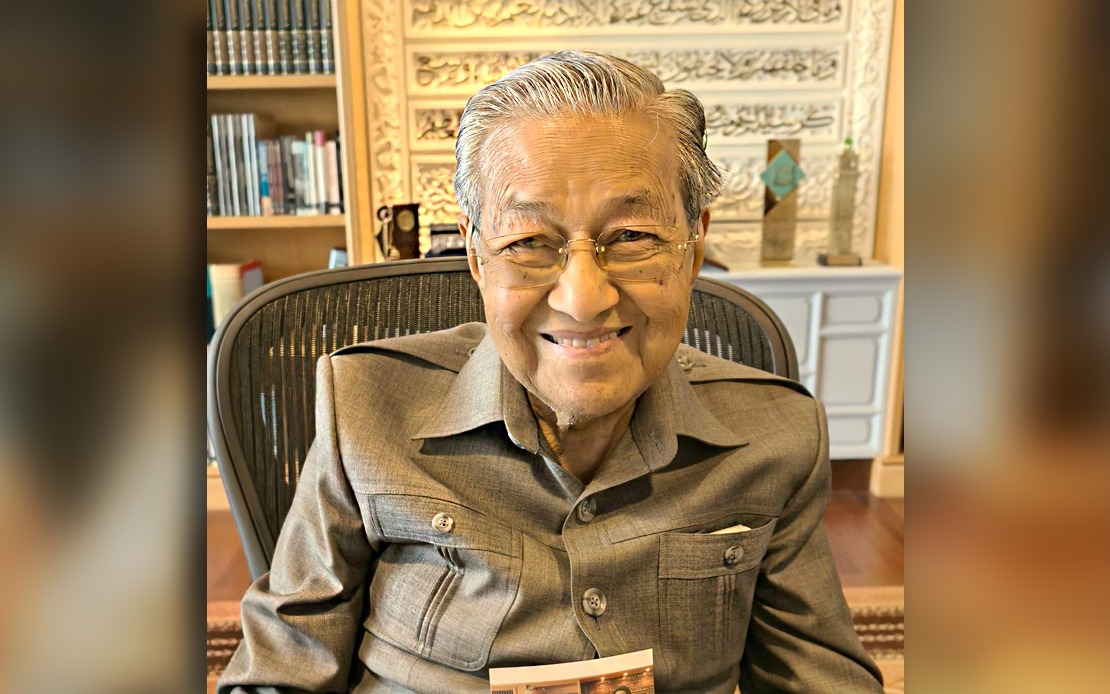
Senior members of Malaysia's Cabinet marked the centennial milestone of former Prime Minister Tun Dr Mahathir Mohamad on Wednesday, July 10, with heartfelt birthday greetings shared across social media platforms. The warm tributes underscore the continued respect and affection held for the elder statesman across Malaysia's political establishment, even as the nation navigates its current political landscape without his direct involvement in daily governance.
Communications Minister Datuk Fahmi Fadzil led the public well-wishes, posting on Facebook that he hoped the nonagenarian would enjoy sustained good health, happiness, and a life abundantly blessed. His message captured a sentiment echoed by multiple ministerial colleagues, emphasising prayers for Dr Mahathir's physical wellbeing and spiritual contentment as he enters this remarkable new decade of life. The minister's invocation of divine blessings reflected a common Malaysian practice of intertwining personal wishes with religious sentiment, particularly appropriate given Dr Mahathir's stature as a Muslim elder in Malaysian society.
Two additional ministers from Prime Minister Anwar Ibrahim's administration also joined in extending congratulations. Datuk Seri Azalina Othman Said, who holds the portfolio of Minister in the Prime Minister's Department overseeing Law and Institutional Reform, and Datuk Seri Dr Zambry Abd Kadir, the Higher Education Minister, both conveyed similar messages wishing Dr Mahathir continued robust health and divine protection. Their participation in public birthday acknowledgements demonstrates a bipartisan respect for the former leader, transcending current political divisions that characterise Malaysia's often-contentious parliamentary arena.
Dr Mahathir's journey to this extraordinary age reflects a lifetime of public service and political engagement spanning multiple decades. Born on July 10, 1925, in the northern Kedah state capital of Alor Setar, he rose through Malaysia's medical and political ranks to become the nation's fourth Prime Minister, serving the first of his two non-consecutive terms from 1981 until 2003—a 22-year tenure that fundamentally reshaped Malaysian society, economics, and international positioning. His development agenda, known for ambitious infrastructure projects and industrialisation drives, left an indelible mark on the nation's trajectory during the latter decades of the twentieth century.
Perhaps even more remarkably, Dr Mahathir's return to the Prime Minister's office in 2018, at the age of 92, rewrote global political history. His comeback to Malaysia's top executive position made him the world's oldest sitting prime minister—a distinction that captured international media attention and challenged conventional assumptions about age and political capacity in modern democracies. Though his second tenure lasted only until 2020, lasting approximately two years, it demonstrated that advanced age need not necessarily preclude active, engaged leadership in complex national governance.
The birthday celebrations occurring on July 10 carry significance beyond mere ceremonial acknowledgement of advancing years. At 101, Dr Mahathir represents a living connection to Malaysia's pre-independence and post-colonial eras, having witnessed and shaped the nation's transformation from British colonial territory to modern Southeast Asian economy. His longevity and continued public visibility mean he remains a reference point for understanding Malaysia's political history and institutional development, even for younger generations who did not experience his formative leadership years directly.
For Malaysian readers and observers, Dr Mahathir's centennial birthday serves as a reminder of the nation's political evolution and the complex legacies surrounding its major leaders. His 22 years in office brought modernisation and economic growth but also raised questions about democratic governance, media freedom, and constitutional boundaries—issues that continue influencing contemporary Malaysian political discourse. The respectful birthday messages from current ministers reflect Malaysia's mature political culture, wherein leaders can acknowledge predecessors' contributions regardless of past disagreements or current political alignments.
The public recognition of Dr Mahathir's milestone also highlights how Malaysian society values longevity and wisdom accumulated through experience, particularly within Malay-Muslim cultural contexts that emphasise respect for elders. The ministerial tributes thus operate on multiple levels simultaneously—as personal expressions of goodwill, as acknowledgements of historical significance, and as subtle reaffirmations of institutional continuity and civilised political practice within the nation's Westminster-derived parliamentary system.
Looking forward, Dr Mahathir's continued presence in Malaysian public consciousness ensures that discussions about his tenure, policies, and legacy will remain relevant to national discourse. Whether addressing economic development strategies, international relations, or institutional reform, contemporary policymakers frequently find themselves either building upon or deliberating against frameworks established during his administrations. His 101st birthday thus represents not merely the celebration of an individual's longevity, but a moment for the nation to reflect on its recent history and the ongoing influence of those who shaped its direction.

