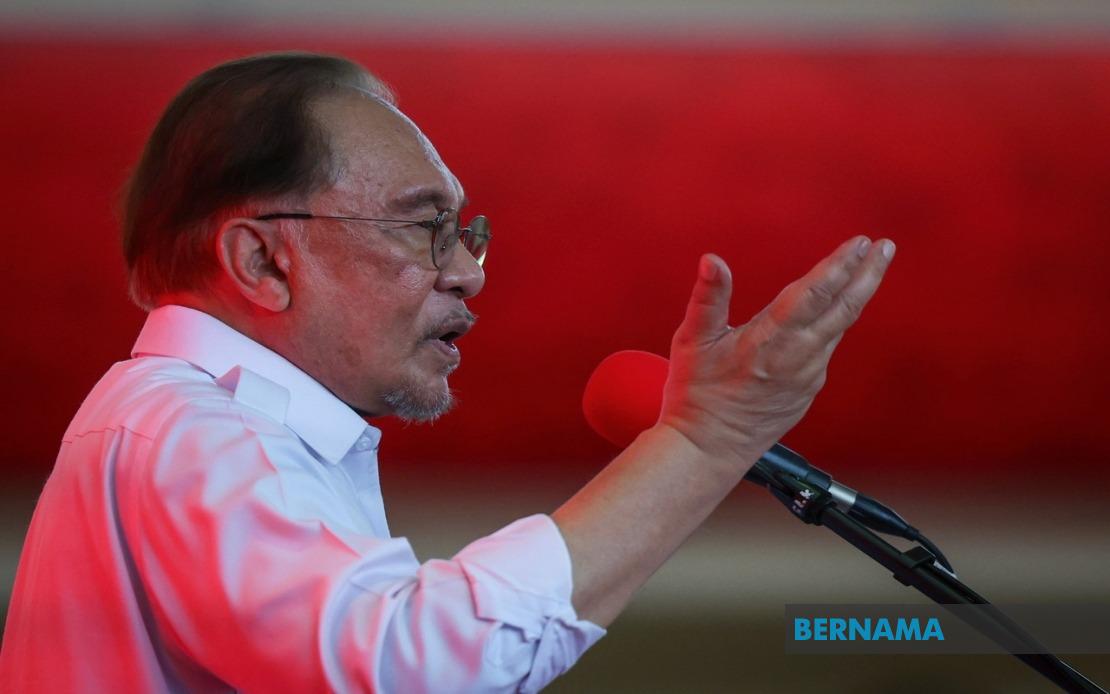
Prime Minister Datuk Seri Anwar Ibrahim has indicated that the government will make a final decision this Wednesday on whether to release the Royal Commission of Inquiry report into Lembaga Tabung Haji, the statutory body managing savings for Malaysian pilgrims. Speaking in Tampin, Anwar signalled that the contentious matter will be tabled and deliberated at the Cabinet's weekly meeting, with a determination expected before the session concludes.
The Tabung Haji inquiry has become an increasingly prominent issue within Malaysia's political discourse, with sustained public interest in the findings regarding allegations centred on the disposal of the organisation's strategic assets. Previous reporting had indicated government readiness to unveil the final report imminently, contingent upon procedural clearances. Anwar's latest remarks suggest the administration is moving toward resolution after weeks of internal consultation between the Prime Minister's office and the Chief Secretary to the Government.
In characterising the government's approach to the matter, Anwar articulated a clear separation of powers framework. He emphasised that the executive's role is confined to governance and constitutional compliance, while investigative agencies, the Attorney General's office, and the judiciary bear distinct responsibilities in examining evidence, prosecuting misconduct, and delivering verdicts. This delineation is crucial for Malaysian readers understanding how checks and balances function within the federal system and why certain decisions rest outside the Prime Minister's purview despite public perception sometimes suggesting otherwise.
Anwar's comments reflect a measured stance on transparency. He acknowledged ongoing discussions regarding Tabung Haji without elaborating extensively on the substance of debates, instead pivoting toward the principle that public disclosure serves democratic accountability. His formulation—"if nothing is wrong, stand up for it; if something is wrong, prosecute"—articulates a doctrine of institutional integrity underpinned by consequences proportionate to wrongdoing. This framing addresses concerns among Malaysians who have questioned whether government announcements about releasing investigative reports would translate into meaningful accountability.
The timing of Wednesday's Cabinet decision carries broader significance for Southeast Asian governance standards. Tabung Haji holds particular importance not merely as a financial institution but as a pillar of Malaysia's Islamic social infrastructure, managing billions of ringgit in savings from predominantly Muslim Malaysian savers who contribute toward performing the Hajj pilgrimage. Concerns about asset management therefore resonate beyond technocratic circles, touching on questions of trust in institutions mandated to safeguard religious and financial obligations.
The inquiry itself originated amid allegations spanning several years regarding the fund's real estate transactions and portfolio management decisions. Multiple investigations were commissioned to examine whether commercial decisions aligned with fiduciary duties owed to contributors and whether proper governance protocols were observed. The Royal Commission's mandate encompassed scrutinising these transactions comprehensively, making the report's contents potentially significant for understanding institutional vulnerabilities within Malaysia's governance architecture.
Anwar's invocation of constitutional process and established legal procedures underscores his administration's stated commitment to rule of law principles. However, the very fact that Cabinet deliberation is required before releasing an investigative report—even one commissioned by the government itself—illustrates the complex intersection between executive confidentiality and public disclosure obligations in Malaysian governance. This tension has become increasingly pronounced globally, with democracies grappling over how much investigative detail should remain confidential versus publicly available.
For Malaysian stakeholders and regional observers, the Cabinet's imminent decision represents a test of the government's transparency credentials. The administration inherited these Tabung Haji allegations from predecessor governments, meaning current leadership faces choices about how extensively to expose previous administration's decision-making. Managing this politically while maintaining institutional credibility requires careful navigation between wholesale disclosure and selective transparency.
The presence of senior government officials at Anwar's statement—including Chief Secretary Tan Sri Shamsul Azri Abu Bakar and defence and military leadership—suggested coordinated messaging regarding the Cabinet's upcoming deliberations. This institutional synchronisation indicates the matter transcends routine business, instead engaging multiple government sectors in considerations about release protocols and sequencing.
Looking ahead, Wednesday's Cabinet decision will likely determine whether Malaysians gain direct access to the RCI's findings or whether information emerges through official summaries and subsequent parliamentary discussions. Either pathway carries implications for public understanding of institutional performance and accountability standards within Malaysia's financial regulatory environment. For regional observers, the outcome will also signal how the Malaysian government balances transparency imperatives against other governance considerations when handling sensitive investigative conclusions.

