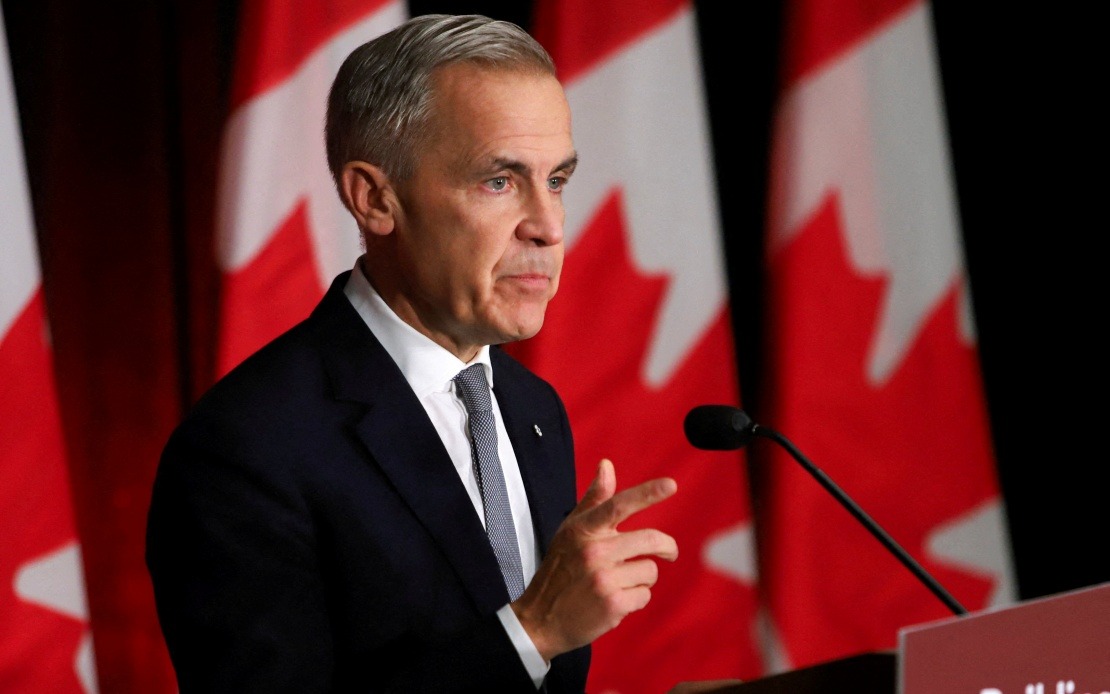
Canada and the United States are moving to accelerate trade negotiations following a fresh escalation in their tariff dispute. Canadian Prime Minister Mark Carney announced on Tuesday that he had directly engaged with US President Donald Trump to agree on intensified talks in the weeks ahead, signalling both governments' determination to resolve mounting trade frictions through dialogue. The commitment to heightened engagement comes amid significant economic tensions that threaten to disrupt the continental trade relationship.
The diplomatic initiative represents an attempt to manage fallout from Trump's recent executive actions. On Monday, the US President signed three proclamations authorizing additional 50 per cent tariffs on a range of Canadian goods, citing what Washington characterizes as discriminatory trade practices against American commerce. The timing and breadth of these measures underscore the urgency of the situation and the potential for further economic disruption if negotiations falter.
According to documents published on the White House website, the enhanced tariffs will affect several sectors vital to Canada's economy. Dairy products, alcoholic beverages, motor vehicles and related automotive goods will face the additional duties starting August 19. The implementation date gives both parties several weeks to pursue diplomatic solutions before the tariffs take effect, though businesses on both sides of the border are already reassessing supply chain strategies and pricing policies in response to the threatened measures.
Notably, certain Canadian exports have been granted exemptions from the tariff regime. Energy products, potash, fish and critical minerals will avoid the additional duties, reflecting strategic considerations about US energy security and supply chain vulnerabilities. The selective approach suggests the Trump administration may be calibrating its approach to balance trade objectives with concerns about consumer prices and industrial competitiveness, though critics argue it reveals the political nature of trade policy decisions.
Canada has already registered strong objections to the tariff announcement. Prime Minister Carney characterized the new duties as part of a pattern of unilateral American trade actions that violate the Canada-United States-Mexico Agreement (CUSMA), the trilateral trade pact that replaced the older NAFTA arrangement. This invocation of the agreement underscores Canada's position that the tariffs breach binding international commitments and establishes a legal framework for potential countermeasures or dispute resolution proceedings.
The Canadian government is preparing multiple response options should the tariffs proceed as scheduled. Carney indicated that policymakers are examining various scenarios and potential retaliatory measures, though he stopped short of detailing specific actions. This cautious approach reflects the complexity of Canada's position: while economically dependent on US trade, Canada must also demonstrate resolve to its domestic constituency and trading partners that it will not capitulate to coercive trade measures.
For Malaysian and Southeast Asian observers, this North American trade dispute carries important implications. Canada remains a significant trading partner for ASEAN nations and a major investor in regional economies. Any prolonged trade war or economic slowdown in North America would ripple through global supply chains and potentially depress demand for Southeast Asian exports. Moreover, the dispute exemplifies how trade relationships between advanced economies can destabilize quickly and unilaterally, creating uncertainty for smaller trading nations that depend on predictable rules-based systems.
The automotive sector appears particularly exposed to the Canadian tariff threat, given the deeply integrated nature of vehicle manufacturing across North America. Malaysian automotive component suppliers and manufacturers with exposure to North American markets may face disruption if tariffs are imposed and if retaliatory measures follow. The knock-on effects could include supply chain reorganization, price increases for consumers, and competitive disadvantages for non-North American producers attempting to access the US market.
The energy exemptions also merit attention from a regional perspective. Southeast Asian energy exporters and companies with North American operations will be monitoring whether the tariff regime becomes a template for broader protectionism in energy markets. The fact that critical minerals escaped the tariff net suggests that concerns about supply security and industrial competitiveness may ultimately constrain the scope of trade restrictions, though the current impasse shows such considerations are not guarantee against protectionist measures.
Canada's invocation of CUSMA violations points to a broader challenge in international trade governance. Even binding multilateral and regional agreements face pressure when domestic political constituencies demand protection or when governments pursue unilateral trade policies. For ASEAN nations that depend on regional trade agreements and hope to negotiate major new deals, Canada's experience offers a cautionary lesson about the importance of enforcement mechanisms and the vulnerability of trade frameworks to sudden policy shifts.
The coming weeks will prove critical in determining whether intensified negotiations can bridge the gap between Washington and Ottawa. Success would suggest that dialogue and diplomatic engagement can manage even acute trade disputes, potentially offering lessons for other countries navigating similar tensions. Failure, conversely, would mark a significant deterioration in North American trade relations and likely trigger retaliatory cycles that could deepen recession risks and harm consumers and businesses across the continent and globally.
For now, Canadian and American negotiators face pressure to demonstrate progress before the August 19 implementation deadline. The commitment to intensified talks represents a welcome signal that both governments recognize the costs of sustained trade conflict. However, the underlying disagreements about trade fairness and market access remain substantive, and narrow political windows for compromise may complicate efforts to reach lasting agreements.

