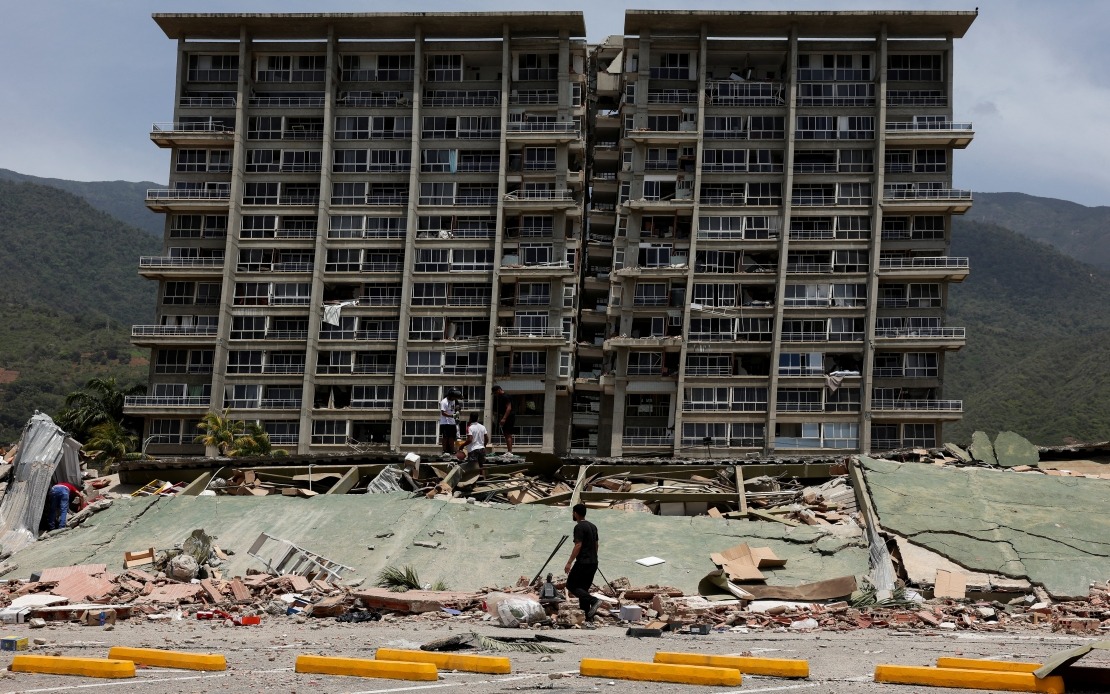
Canada has committed an additional US$5 million in emergency humanitarian assistance to support relief operations in Venezuela following a series of devastating earthquakes that have claimed numerous lives and displaced thousands of residents. The announcement, made by Canada's Foreign Ministry on Thursday, underscores the scale of the crisis unfolding in the South American nation and the international community's response to one of the region's most significant natural disasters in recent years.
The earthquakes have inflicted catastrophic damage across Venezuelan communities, though complete assessments of the destruction are still being compiled by local authorities and aid organisations working on the ground. Initial reports indicate that the tremors have destroyed critical infrastructure, collapsed buildings, and damaged medical facilities, compounding the humanitarian emergency in a country already grappling with economic challenges and limited resources for disaster response. The Canadian government has expressed deep concern about the scale of human suffering, with Foreign Minister Anita Anand acknowledging that families have lost loved ones and entire communities have been devastated by the natural disaster.
Official estimates suggest that hundreds of thousands of Venezuelan residents could be affected by the earthquakes, either through direct physical injury, homelessness, or disruption to essential services. The true extent of the crisis remains unclear as communications infrastructure in affected regions has been compromised, hampering damage assessments and coordination of rescue operations. Aid agencies on the ground are reporting overwhelming need for basic supplies and medical attention, particularly in rural and mountainous areas where access remains extremely difficult due to damaged roads and limited transportation capacity.
Canada's US$5 million contribution will be channelled through established humanitarian partners with proven track records in emergency response operations. These organisations will deploy funds to provide immediate relief including emergency food supplies, clean drinking water, sanitation facilities, and critical health services to affected populations. The assistance will also support protection services for vulnerable groups, including women, children, and the elderly, as well as logistics operations necessary to move supplies through damaged transportation networks and reach isolated communities cut off by the earthquake's destruction.
This latest commitment represents a significant expansion of Canada's humanitarian engagement with Venezuela throughout 2024. The country had previously allocated nearly US$4.5 million earlier in the year to address humanitarian needs in Venezuela, which were driven by the country's ongoing economic crisis and displacement of populations. Combined, Canada's humanitarian contributions to Venezuela now total close to US$9.5 million, reflecting Ottawa's recognition of the interconnected crises facing the Venezuelan people and the necessity of sustained international support.
Canadian officials are maintaining active engagement with regional partners across Latin America and the Caribbean, as well as with international humanitarian organisations coordinating response efforts. This diplomatic coordination is essential for ensuring that aid reaches those most vulnerable and that relief operations remain efficient and effective amid the chaos of the immediate post-earthquake period. The Foreign Ministry indicated that it would provide additional details regarding the specific allocation and deployment of the new US$5 million funding in the coming days as field assessments become more complete.
The earthquake disaster in Venezuela carries particular resonance for the international community given the nation's existing humanitarian challenges. The country has experienced severe economic contraction over the past decade, resulting in widespread poverty, malnutrition, and lack of access to medical services. The earthquake has struck at a moment when Venezuelan institutions and public services are already severely strained, making disaster recovery substantially more difficult than it would be in more economically stable countries. This context has prompted Canada and other nations to emphasise the urgency of comprehensive response efforts.
From a regional perspective, the Venezuelan earthquake highlights ongoing vulnerability across Latin America and the Caribbean to seismic activity and the need for strengthened disaster preparedness infrastructure. Several nations in the region have experienced significant earthquakes in recent years, and the Venezuelan event serves as a reminder of the devastating potential of natural disasters in areas with limited resources for mitigation and response. Canada's commitment may also encourage other developed nations to contribute additional resources to the relief effort, potentially amplifying the international response.
The situation remains fluid, with Canadian authorities pledging to monitor developments closely and adjust assistance levels based on evolving needs. The ministry has signalled that further tranches of funding may be mobilised if circumstances warrant, suggesting a flexible and responsive approach to supporting Venezuelan relief operations over the coming weeks and months. This measured commitment reflects the understanding that earthquake recovery is a protracted process extending far beyond the immediate emergency phase, requiring sustained international solidarity and resources.

