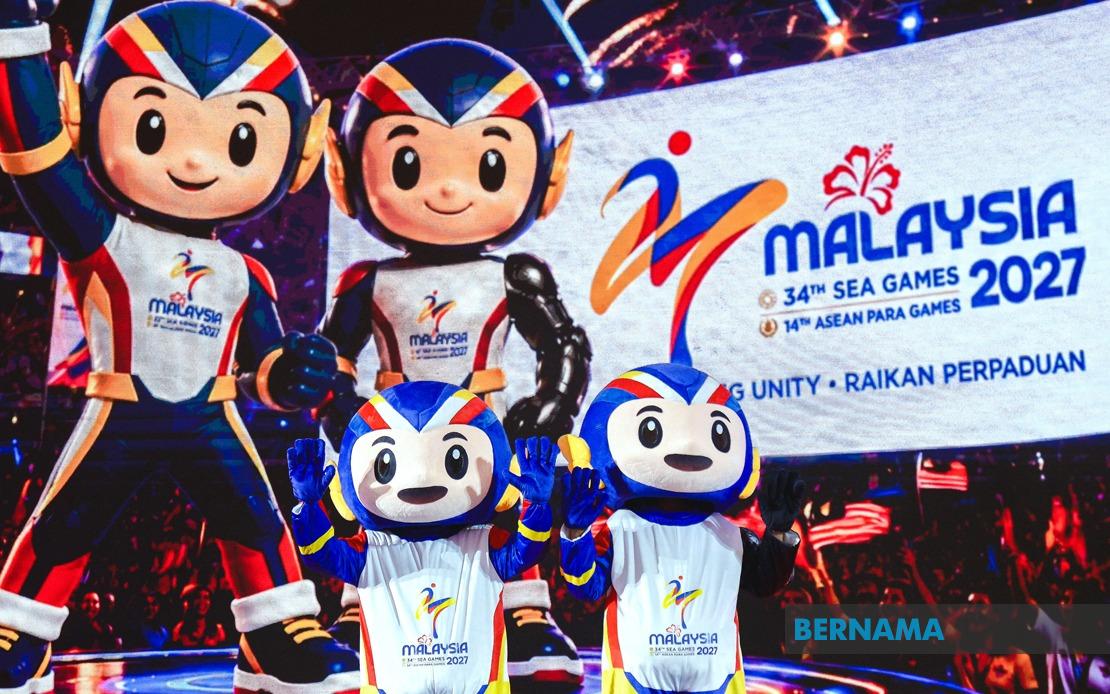
Malaysia officially unveiled its theme, logo and mascot for hosting the 2027 SEA Games and ASEAN Para Games in a ceremony held in Putrajaya on July 13, marking a significant milestone in the country's preparations for the biennial sporting extravaganza. The theme "Celebrating Unity" will serve as the overarching narrative for the games, encapsulating the shared aspirations of Southeast Asian nations and their commitment to strengthening bonds through athletic excellence and friendly competition. Youth and Sports Minister Dr Mohammed Taufiq Johari explained that this thematic choice reflects a fundamental value within the ASEAN region—the recognition that diversity and collaboration drive collective progress and inspire individuals to achieve greatness.
The centrepiece of the unveiling was the introduction of TUAH, a distinctive mascot that departs significantly from the animal-based representations favoured in previous Southeast Asian Games editions. Rather than depicting a creature from local fauna, TUAH embodies a humanised concept of a modern-day hero—dynamic, self-assured, and genuinely connected to the contemporary sporting community. This design philosophy represents a deliberate shift in how Malaysia intends to position the games within the region's evolving cultural landscape, emphasising human achievement, resilience and aspiration as the core values the games will celebrate. The mascot's visual identity incorporates the colours of the Jalur Gemilang, Malaysia's national flag, creating an immediate symbolic link between national pride and regional unity while reinforcing the notion that hosting these games is a matter of genuine national significance.
Dr Mohammed Taufiq expressed his conviction that TUAH would function as a talisman for Malaysia's medal ambitions, particularly as the nation seeks to reclaim overall championship honours on home territory. This sentiment reflects the traditional importance placed on mascots within Asian sporting culture, where symbolic elements are believed to carry tangible influence over competitive outcomes. The minister's confidence extends beyond superstition, however, grounded in systematic preparation and strategic planning that has positioned Malaysia to maximise its sporting prowess. The mascot now joins a constellation of branding elements—the theme, logo and overall visual identity—that will permeate every aspect of the games, from athlete uniforms and venue decorations to merchandise and promotional materials consumed by millions across the region.
The infrastructure underpinning Malaysia's hosting capacity spans four distinct geographical clusters: Sarawak, Penang, Johor and Kuala Lumpur. This distributed approach to venue development reflects both the practical challenges of concentrating world-class facilities in a single location and the strategic desire to showcase sporting development and infrastructure modernisation across multiple Malaysian states. Dr Mohammed Taufiq reported that facility construction and preparation remain on schedule with no significant complications encountered thus far, though the ministry's current focus has shifted toward addressing technical specifications and operational readiness. This transition from physical construction to systems integration represents a critical phase in the preparations timeline, where attention to detail regarding everything from athlete accommodation protocols to broadcast technical requirements becomes paramount.
The temporal framework for the 2027 games establishes September 18-29 for the main SEA Games competition, followed immediately by the ASEAN Para Games running from October 17-23. This scheduling arrangement, with a three-week interval between the two events, requires sophisticated management of venue transitions, volunteer coordination and media resources. For Malaysia, hosting both events consecutively offers an opportunity to demonstrate inclusive sporting governance and highlight the region's commitment to competitive opportunities for athletes with disabilities—a dimension that has gained increasing prominence within regional sports policy conversations. The scheduling also extends Malaysia's international sporting spotlight across nearly six weeks, maximising the duration of global media attention and tourism opportunities associated with major games hosting.
Underlying Malaysia's preparations is a performance-oriented strategic framework articulated through the National Sports Council's targets. The aspiration to achieve 70 percent of Malaysian athletes finishing on the podium at Asian-level competitions by year's end serves as both a interim benchmark and an indicator of the nation's trajectory toward overall games championship. NSC director-general Jefri Ngadirin positioned this 70-percent podium target as a diagnostic tool for assessing whether Malaysia possesses the depth of competitive strength necessary to dominate the 2027 SEA Games medal tables. This measured, data-driven approach to talent development and performance projection contrasts with less systematic approaches to games hosting, reflecting Malaysia's commitment to evidence-based sporting governance.
The choice to emphasise unity as the central thematic concept speaks to broader geopolitical and cultural currents within ASEAN. Amid regional tensions and divergent national interests, sporting events provide rare platforms for demonstrating shared commitment to peaceful competition and mutual respect. For Malaysia specifically, hosting a major regional games offers an occasion to position the nation as a stable, capable and welcoming host, capable of orchestrating complex multinational events while maintaining operational excellence. The "Celebrating Unity" theme resonates particularly given ASEAN's foundational commitment to the ASEAN Way—principles of non-interference, consensus-building and respect for national sovereignty that reflect the region's distinctive approach to international relations.
The mascot TUAH carries etymological and cultural significance within Malaysian and broader Southeast Asian contexts. The name references historical narratives and contemporary applications of heroism, leadership and trustworthiness, making it culturally resonant while remaining accessible to regional audiences unfamiliar with specific local references. This careful calibration of symbolism reflects sophisticated thinking about soft power and cultural diplomacy, where mascots function not merely as decorative elements but as cultural ambassadors representing the host nation's values and aspirations to global audiences.
Looking ahead, the success of the 2027 SEA Games will be measured not solely through Malaysia's medal performance, though that remains significant, but through the operational execution of a complex multinational event that successfully integrates athletes, officials, media and spectators across geographically dispersed venues. The unveiling of the theme, mascot and visual identity represents the transition from preliminary planning phases into the public-facing dimensions of games preparation. How effectively Malaysia translates these symbolic elements into authentic experiences of unity, celebration and sporting excellence across the coming months will largely determine the games' legacy and the nation's standing as a host within regional and global sporting hierarchies.

