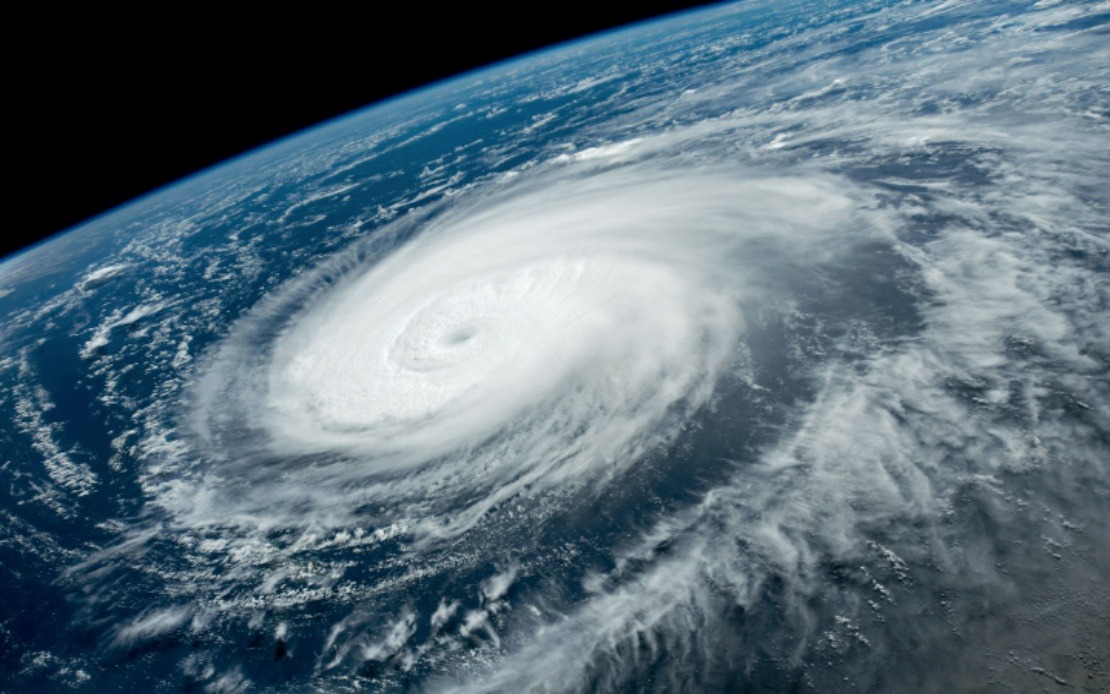
China's meteorological authority has escalated its preparedness measures for Typhoon Dolphin, upgrading the nation's emergency response to Level III on Saturday whilst simultaneously elevating the typhoon warning from yellow to orange status. The intensified alert reflects growing concern about the magnitude of the approaching storm, which forecasters anticipate will deliver destructive winds and substantial precipitation across vulnerable eastern coastal regions spanning multiple provinces.
The anticipated landing zone stretches across a critical stretch of densely populated shoreline, with officials predicting that Typhoon Dolphin will make contact with the mainland between Zhoushan in Zhejiang Province and Fuding in Fujian Province during the overnight hours between Sunday and early Monday morning. This geographical location is significant for Southeast Asian observers, as it encompasses major maritime routes and centres that facilitate trade throughout the broader Asia-Pacific region, including connections to Malaysian and other regional shipping lanes.
Zhejiang Province has responded with particularly stringent precautions by implementing its second-highest typhoon emergency response level. The provincial government has strategically positioned more than 4,000 dedicated monitors throughout the region to conduct systematic inspections across 7,500 designated risk zones where geological hazards such as landslides and subsidence events pose substantial threats to communities and infrastructure. This extensive surveillance network reflects the province's learned experience from previous typhoon impacts and demonstrates the scale of vulnerability across these territories.
Transportation infrastructure across the affected provinces has been substantially disrupted in preparation for the incoming system. In Zhejiang, authorities have completely suspended passenger ferry operations across all 162 routes that ordinarily serve coastal and insular communities. Simultaneously, 193 offshore construction and industrial projects have been halted, whilst 474 construction vessels have been compelled to return to protected harbour by Friday morning. These measures represent a significant economic pause, particularly consequential for Malaysian businesses engaged in regional supply chains dependent on cross-strait movement of goods and personnel.
Fujian Province has implemented parallel protective measures, though somewhat less extensive in scope. The province suspended 40 passenger ferry routes and curtailed operations at 115 offshore construction installations by Saturday midday. More dramatically, the coastal municipality of Fuding has successfully recalled all 1,210 registered fishing vessels to port, reflecting the critical importance of maritime safety protocols in communities where fishing remains economically essential.
Shanghai, despite its more northern location, faces secondary impacts severe enough to warrant an independent blue-level typhoon alert announced Friday. Meteorological forecasters have cautioned that the city could experience four consecutive days of strong winds and heavy rainfall, sufficient to disrupt train services throughout the broader Yangtze River Delta economic zone beginning Sunday. This extended forecast window for a major commercial hub underscores the Typhoon's anticipated scale and persistence.
Comparative meteorological analysis suggests that Typhoon Dolphin may prove more destructive than Typhoon Bavi, which made landfall in China during July. According to Xu Yinglong, chief forecaster at the National Meteorological Centre, Dolphin is expected to generate stronger wind velocities and produce heavier accumulated rainfall totals than its predecessor. This assessment carries substantial weight in disaster planning circles, as it indicates that protective measures already implemented may require augmentation should the storm's intensity exceed initial projections.
China's tiered alert system comprises four distinct levels for typhoon warnings and emergency response, each designed to trigger progressively more comprehensive governmental and civilian mobilisation. The colour-coded typhoon warning sequence places red as most critical, followed by orange, yellow, and blue—with the current orange designation indicating significant but not maximum-level threat. The emergency response framework similarly escalates from Level I (highest) through Level IV, with Dolphin's placement at Level III signalling substantial but contained threat management, providing authorities additional capacity for further escalation if conditions warrant.
The coordinated response across multiple provincial jurisdictions demonstrates the operational integration of China's disaster management apparatus, with maritime authorities, meteorological services, transportation regulators, and local governance structures functioning in synchronised mobilisation. For Malaysian stakeholders monitoring developments in southern China, these precautions carry particular significance given the extensive commercial, logistical, and supply chain interdependencies between Malaysia and the affected Chinese coastal regions. Disruptions to shipping schedules, manufacturing operations, and trade flows originating from these provinces will likely create downstream ripple effects throughout Southeast Asian commerce within the coming weeks.

