A 41-year-old Chinese national will face sentencing in Singapore after admitting to a calculated scheme targeting wealthy residential and hospitality properties during his inaugural visit to the city-state. Huang Xiaozong's brief criminal spree has drawn attention to vulnerabilities in how transient visitors can identify and exploit unoccupied homes, raising questions about security measures across Singapore's affluent neighbourhoods and luxury accommodation facilities.
Huang arrived in Singapore on December 5, 2025, and immediately began strategising his criminal activities. Rather than enjoying standard tourist attractions, he devoted his time to researching where concentrated wealth existed in the country, ultimately identifying two prime locations: the island resort of Sentosa and the established Serangoon Gardens enclave. This methodical reconnaissance phase demonstrates premeditation—the defendant had not spontaneously committed theft upon arriving, but rather arrived with the intention to commit property crimes, banking on his status as a foreign visitor to provide cover and distance from authorities.
Just one day after checking into a Little India hotel, Huang ventured to Sentosa and conducted surveillance of properties in the area. He eventually identified a suite at a luxury hotel resort that appeared unoccupied. Confirming through observation that no one was present, he forced entry via the rear balcony, circumventing the main entrance entirely. The targeted unit belonged to someone who maintained the property as an occasional residence while maintaining commitments elsewhere, making it an ideal target for someone seeking to maximise the time window before discovery. Once inside, Huang moved through the space systematically, identifying high-value portable items. He seized a Chanel timepiece worth S$30,000, multiple rings valued at S$25,000 collectively, and a gold necklace appraised at S$3,000. He then retreated to his hotel base with the stolen merchandise, completing his first successful operation without immediate detection.
The theft went unnoticed for two days until a housekeeper entered the suite and observed disturbed conditions, including footprints suggesting unauthorised entry and obvious gaps where items had been removed. By this point, however, Huang had already progressed to his second target. On December 7, 2025, he travelled to Serangoon Gardens, an established neighbourhood favoured by affluent Singaporeans seeking residential privacy. Arriving during early evening hours between 7pm and 8pm, he surveyed properties and selected a house displaying no visible signs of occupation—lights were dark, suggesting the residents were either absent or not at home. He scaled the perimeter gate and entered the structure, where he discovered and removed jewellery exceeding S$47,000 in total value, including rings, gold necklaces, a diamond necklace, diamond earrings, and a pair of wedding rings.
Huang's criminal sequence continued when he identified yet another apparently vacant Serangoon Gardens property. However, his attempt to burgle this third residence encountered unexpected resistance when a domestic helper inside the home spotted him and directly confronted him about his presence. Rather than risk apprehension, Huang abandoned the attempt and fled back to his hotel with the merchandise already stolen from the previous two locations. This third property's resident returned home that same evening and promptly contacted police upon discovering the intrusion, providing law enforcement with immediate leads.
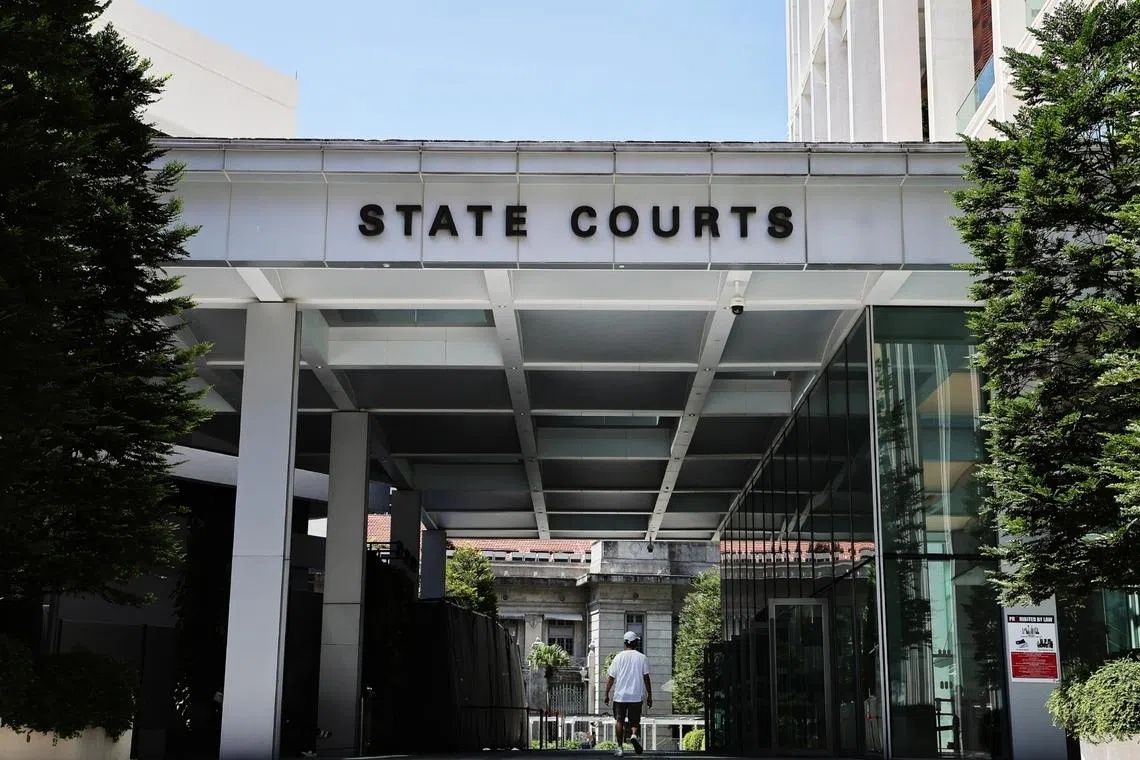
Police traced Huang's movements and arrested him at his hotel accommodation on December 8, 2025, just three days after his arrival in Singapore. The consolidated value of all items recovered from his possession totalled S$105,000, a substantial haul for such a condensed criminal operation. On Friday, July 10, 2025, Huang appeared in court and entered guilty pleas to two counts of housebreaking—one related to the Sentosa hotel suite and another concerning the first Serangoon Gardens residence. The prosecution's case against him appears straightforward, supported by the recovered stolen goods and his confession. Sentencing is scheduled for August 14, 2025, when the judge will determine the appropriate custodial period for crimes targeting wealthy individuals in secure settings.
This case underscores a persistent challenge facing Singapore's law enforcement and property security framework: the relative ease with which determined foreign visitors can identify unoccupied high-value properties and execute burglaries before detection occurs. While Huang's eventual apprehension demonstrates the efficacy of police response protocols, the initial success of his crimes suggests that wealthier residents and luxury property operators may need to implement more robust deterrent measures, including enhanced alarm systems, visible security presence, and community watch initiatives. For regional viewers, the case also serves as a reminder that affluent Asian cities, despite their reputation for safety and low crime, remain targets for sophisticated international criminal opportunists who conduct careful planning before executing their schemes.

