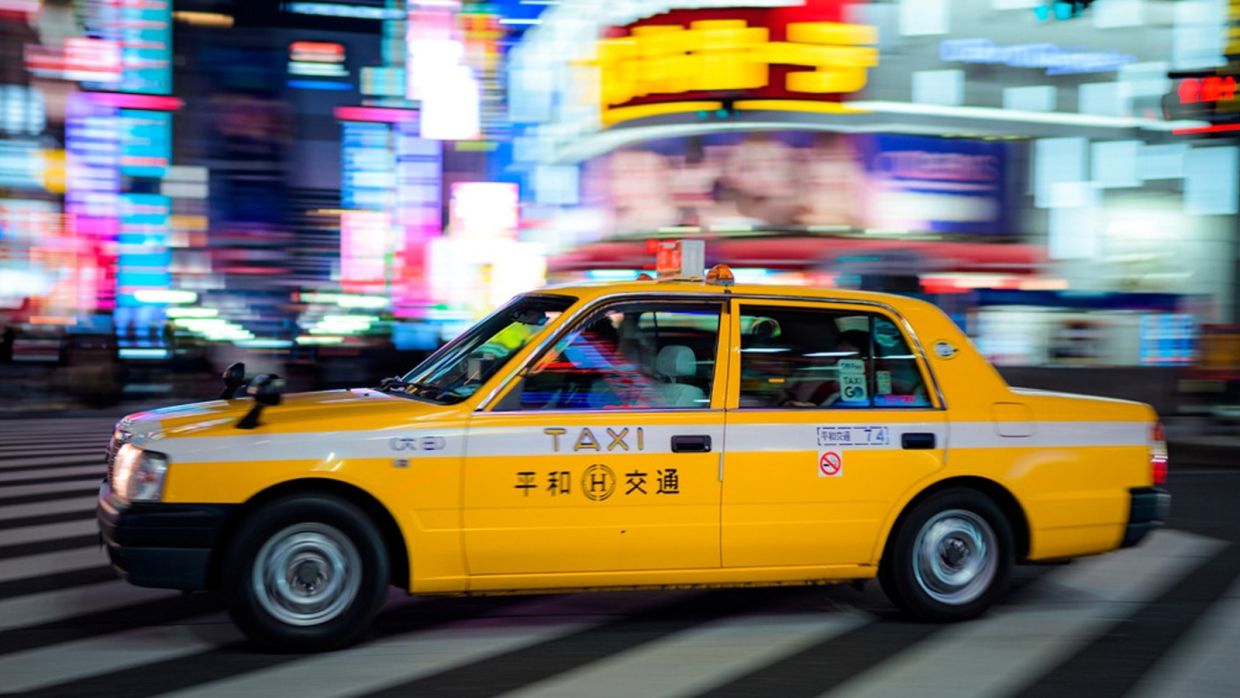
Tokyo authorities have moved against a sophisticated transportation scheme targeting international visitors, arresting Wang Xiaoyu, a 41-year-old Chinese national, on suspicion of operating an illegal taxi service in violation of Japan's Road Transportation Act. According to reports from Kyodo News, Wang allegedly managed a network of vehicles nominally registered under the name Phoenix Kokusai, a chauffeur service company, but effectively leased them to non-employees who then ferried tourists and other passengers without proper licensing. The operation ran between February and April of this year, though police investigations suggest the broader arrangement may have generated substantial revenue over a longer period.
The mechanics of Wang's operation reveal how regulatory frameworks designed to accommodate modern transportation models can be systematically exploited. Japan's urban-hire vehicle category, introduced in 2014 to provide regulated flexibility in the transportation sector, requires advance reservations from passengers and mandates minimum two-hour charter contracts. These vehicles are distinguished by green licence plates, a system intended to differentiate legitimate commercial operations from illegal taxi services. However, Wang's scheme effectively circumvented these protections by maintaining formal ownership and registration while allowing unvetted drivers to control customer acquisition and service delivery. The arrangement netted Wang approximately 38 million yen—roughly 233,000 US dollars—in fees extracted from 18 drivers between November 2024 and May 2026, according to Tokyo Metropolitan Police Department assessments.
The investigation into Wang's activities commenced following complaints lodged by legitimate taxi operators who observed suspicious solicitation activities at Tokyo's Haneda Airport, one of Asia's busiest transportation hubs. Drivers reported that vehicles bearing green licence plates were aggressively targeting arriving passengers, particularly those speaking Mandarin Chinese, in a pattern consistent with unlicensed taxi operations rather than the reservation-based services that regulations stipulate. This observable deviance from expected operational patterns provided the critical evidence trigger that set formal law enforcement inquiries in motion. The focus on Haneda is significant, as the facility processes hundreds of thousands of international arrivals monthly, making it a natural target for operators seeking high-volume customer access.
Three additional Chinese nationals arrested alongside Wang face similar Road Transportation Act violations, suggesting a coordinated operation rather than isolated wrongdoing. These drivers, operating vehicles under Phoenix Kokusai's nominal oversight, maintained direct relationships with customers and pocketed the bulk of fares, with only referral or usage fees flowing to Wang. This tiered structure insulated the principal operator from direct customer contact while maintaining operational control through vehicle access monopolies. Wang has partially contested the allegations against him, though specific details of his defence remain undisclosed.
The vulnerability exposed by Wang's scheme reflects a fundamental tension in Japan's contemporary transportation regulation. Green-licence vehicles, designed to provide bureaucratic legitimacy to charter and hire services that don't require taxi-stand credentials, have proven difficult for authorities to police through appearance-based methods alone. A vehicle bearing the correct green plates may be operating legitimately or illegally—physical inspection yields no certain indicators of compliance. This ambiguity creates operational space for actors willing to exploit regulatory opacity, particularly those targeting tourist populations unfamiliar with Japanese transportation norms and potentially unable to verify driver credentials.
The expansion of urban-hire vehicle registration over the past decade underscores why such schemes have proliferated. In fiscal 2013, Japan registered 3,868 urban-hire vehicles; by fiscal 2024, that figure had climbed to 8,850, a more than doubling of the registered fleet. This growth reflects genuine demand from tourists and business visitors seeking flexible transportation options, but it also correlates with expanded opportunity for regulatory arbitrage. The Ministry of Land, Infrastructure, Transport and Tourism has overseen this registration surge as part of broader efforts to accommodate inbound tourism growth, but the expansion has outpaced enforcement capacity.
For Malaysian and Southeast Asian readers, this case illustrates patterns increasingly visible across the region's tourism sectors. As visitor numbers surge and transportation demands intensify, informal operators exploit the gap between regulatory frameworks and enforcement machinery. The distinction between licensed and unlicensed services, essential for maintaining safety and revenue integrity, becomes increasingly difficult to enforce when operators possess technical compliance markers but violate operational substance. Similar vulnerabilities exist throughout Southeast Asia's transportation sectors, where tourist demand creates financial incentives for regulatory circumvention.
The Tokyo case also highlights transnational dimensions of service-sector enforcement. Wang's operation specifically targeted Chinese-speaking tourists, leveraging linguistic and cultural affinity to build customer bases while evading scrutiny from authorities unfamiliar with the operational indicators of fraud. This cross-border pattern reflects how migrant entrepreneurs increasingly occupy niches in tourism-dependent economies, and how language and cultural barriers can obscure enforcement from host-country authorities. Japanese police eventually identified and arrested perpetrators, but the investigation's initiation depended on complaints from competitors—a reactive rather than proactive enforcement model.
The revenue magnitude documented in this case warrants consideration. Nearly 40 million yen from 18 drivers over approximately 18 months suggests each driver contributed roughly 2.1 million yen annually to Wang's scheme—substantial sums that represent either high-volume operations or steep per-driver extraction rates. Either interpretation suggests significant illicit passenger flows passing through Tokyo's transportation system unrecorded and untaxed. Authorities must now consider whether Wang's network represented an isolated case or merely the visible portion of larger unlicensed operations within Tokyo's tourism transportation ecosystem.
Moving forward, this case will likely prompt Japanese regulators to reconsider green-licence-plate oversight mechanisms. Options may include more frequent physical vehicle inspections, driver credential verification at high-traffic tourist nodes like Haneda, enhanced tracking of usage patterns for registered vehicles, or technological solutions integrating licence-plate data with reservation systems. Such measures could inhibit future Wang-style schemes while risking increased friction in legitimate urban-hire operations. The broader challenge remains determining whether regulatory tightening should target the expansion of urban-hire categories themselves or focus enforcement capacity on distinguishing legitimate from fraudulent operators within expanded frameworks.

