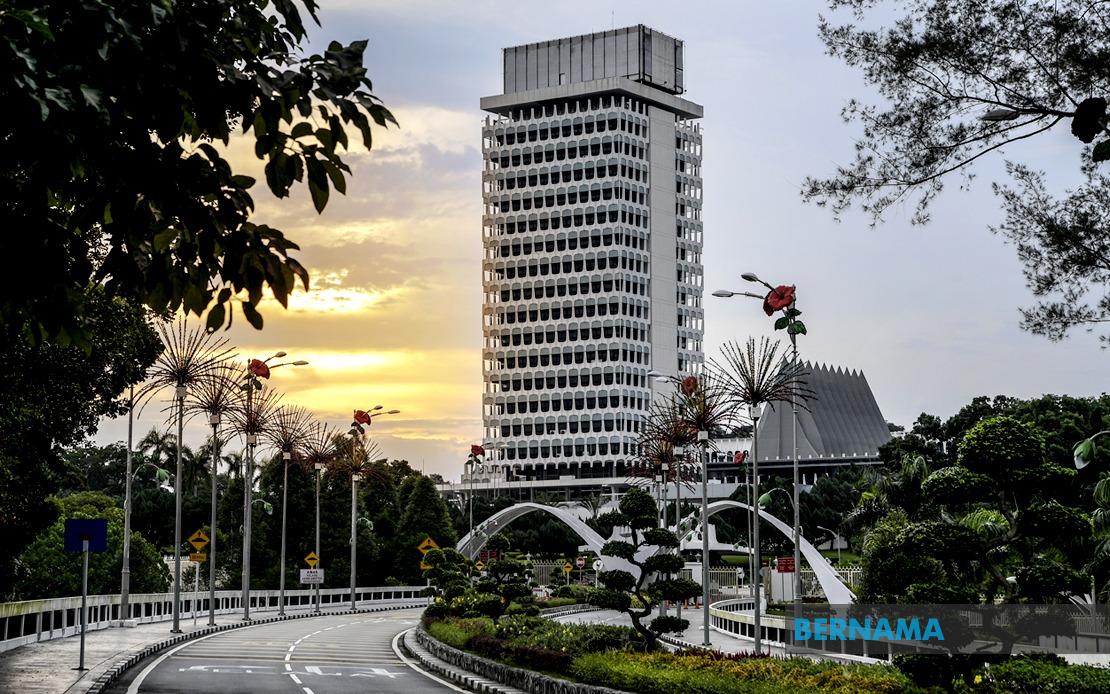
A coalition of forty-four civil society organisations and twenty-five prominent individuals has issued a compelling call for Malaysia's 15th Parliament to remain in session through to December 18, 2027, arguing that political stability is essential for advancing the institutional reforms needed to strengthen democratic governance. The joint statement, released in Kuala Lumpur, represents a significant unified position from organisations spanning diverse constituencies and ideological backgrounds, signalling broad consensus that premature dissolution would undermine the window available for meaningful change.
The appeal comes amid recurring speculation about potential early elections and shifting political alignments. The coalition's core argument centres on the notion that completing a full five-year parliamentary term would provide the necessary continuity for implementing complex constitutional and legislative changes that cannot be rushed through hasty parliamentary sessions. This resonates particularly in the Malaysian context, where previous periods of political turmoil have repeatedly interrupted reform agendas and left critical institutional work incomplete.
Those backing the initiative include established reform-focused organisations such as Bersih, which has long championed electoral integrity, alongside faith-based groups like ABIM and IKRAM, business-focused think tanks like IDEAS, and anti-corruption bodies such as C4 Center. This breadth of support suggests that the appetite for institutional strengthening transcends traditional political and sectarian divides, pointing to shared concerns about the durability and legitimacy of Malaysia's governance systems.
Central to the organisations' recommendations is a proposal that Prime Minister Datuk Seri Anwar Ibrahim convene a cross-party leaders' summit bringing together representatives from all government and opposition parties currently in Parliament. Such a mechanism would seek to forge a unified national agenda for the remaining parliamentary term, moving beyond partisan competition to identify shared priorities. This approach echoes international best practices where major constitutional and electoral reforms enjoy multi-party endorsement, making them more resistant to reversal when governments change.
The proposed constitutional amendments target foundational structural issues. Separating the roles of Attorney General and Public Prosecutor would eliminate a concentration of prosecutorial power within a single office, a change that would insulate the judiciary from accusations of political manipulation in high-profile cases. Imposing a ten-year limit on the Prime Minister's tenure would prevent indefinite accumulation of executive authority and create predictable transition mechanisms, a safeguard notably absent in Malaysia's current constitutional framework despite the precedent established when Mahathir Mohamad stepped down in 2003.
Beyond constitutional matters, the coalition seeks new legislation addressing transparency and institutional oversight. An Ombudsman Act would create an independent mechanism for investigating complaints against government agencies, filling a significant gap in Malaysia's institutional architecture compared to other Commonwealth democracies. A Freedom of Information Act would establish enforceable rights to government documents, a fundamental tool for investigative journalism and civil society accountability work. Both measures face historical resistance from governments protective of executive confidentiality, yet their inclusion reflects growing public expectations for transparency.
The organisations also propose equalising constituency development allocations, ensuring that funds designated for constituency improvement reach Members of Parliament regardless of whether they represent government or opposition parties. This appears aimed at addressing a persistent grievance in Malaysian politics where opposition-held constituencies often receive disproportionately smaller allocations, creating visible disparities in service quality and infrastructure investment. Legislation mandating equitable distribution would level this playing field and remove a tool for partisan advantage.
Electoral reform features prominently in the agenda. Expanding postal and absentee voting mechanisms would improve accessibility for overseas Malaysians and those outside their home states during elections, addressing practical barriers that currently suppress participation among mobile populations. At the state level, introducing proportional representation through party-list systems would provide more diverse representation, benefiting not only minority parties but also increasing opportunities for historically underrepresented groups including women, youth, and indigenous communities. These changes would require careful legislative drafting but represent globally recognised improvements to democratic representation.
The coalition identifies parliamentary strengthening as equally important as constitutional change. Empowering parliamentary committees, streamlining budget processes, and creating formal pathways for Private Members' Bills would shift the balance between executive and legislative branches, preventing the concentration of power that has characterised several Malaysian governments. These procedural reforms cost nothing financially but require political will to cede executive prerogatives, making them particularly challenging to implement without genuine cross-party commitment.
Significantly, the organisations call on all thirteen state governments to adopt parallel measures requiring equitable allocation of state development funds and potentially adopting proportional representation systems at the state level. This multi-level approach recognises that democratic quality depends on consistency across federal and state institutions, preventing governments from gaming the system by concentrating power where they hold majorities whilst appearing reformist elsewhere.
The coalition also urges advance notice requirements for dissolution, proposing that governments unable or unwilling to serve full terms provide the Election Commission and security agencies with adequate preparation time. This reflects lessons learned from previous snap elections where inadequate notice disrupted administrative machinery and voter preparations, ultimately undermining the conduct of fair polling.
For Malaysian observers, the statement's significance lies not merely in its policy proposals but in demonstrating that cross-cutting consensus exists for institutional reform. Whether such recommendations gain traction depends on political conditions over the coming months, but their articulation by such a diverse coalition suggests these issues will not disappear from public discourse regardless of which political actors currently hold power.

