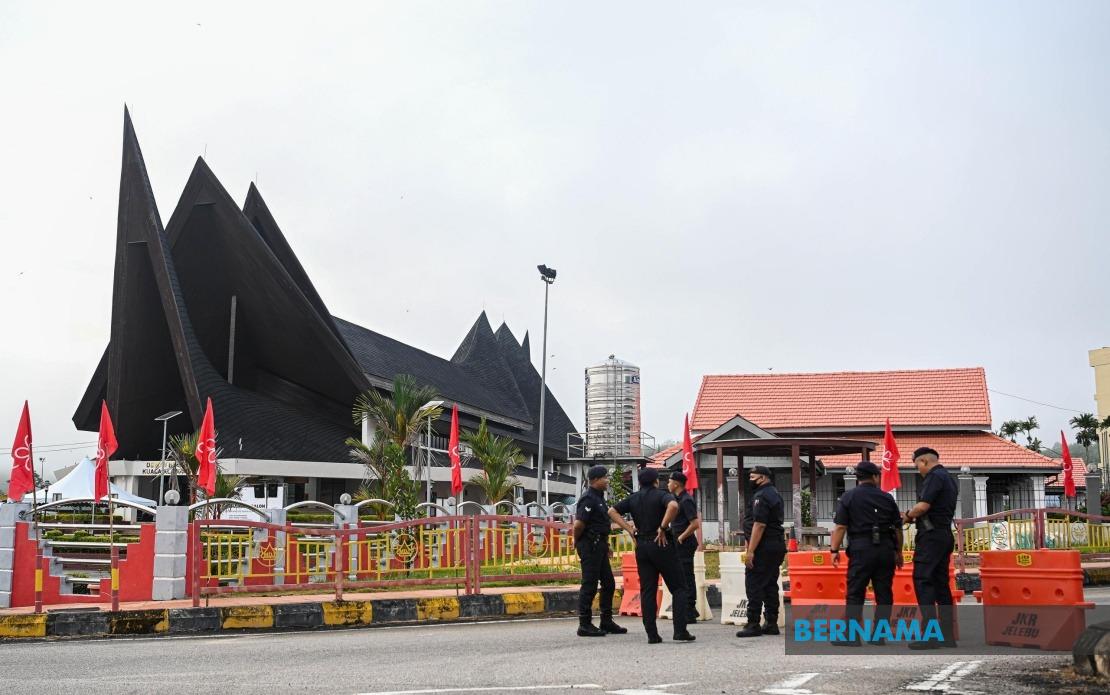
The stage is set for a competitive three-way contest in Negeri Sembilan as political parties filed their candidates across eight nomination centres on July 18, with clear skies and organised preparations marking a smooth start to the formal campaign period. Election Commission officials reported everything in place at the various centres, with the nomination window scheduled to run just one hour from 9 am, creating a concentrated flurry of activity that saw media personnel arrive before dawn and party supporters gathering to witness the historic filing of papers.
The election assumes significance within Malaysia's broader political landscape, arriving just over a year after the last state election and reflecting ongoing recalibrations within the coalitional architecture that has defined Malaysian politics since 2018. With 889,490 registered voters eligible to participate—comprising 867,151 ordinary voters alongside 16,884 military personnel and their spouses plus 5,455 police officers—the contest carries material weight in assessing voter sentiment across different demographic segments and geographic regions within the state.
Pakatan Harapan's decision to contest all 36 available seats signals confidence in its organisational capacity and appeal, positioning the coalition to maximise its reach across constituencies ranging from rural areas to urban centres. This comprehensive approach stands in contrast to the more selective strategies adopted by rival coalitions, reflecting PH's institutional strength and numerical advantages within the party system. The coalition's performance in 2023, when it secured 17 of 36 seats, provides a baseline from which to measure its trajectory and suggests terrain where it maintains electoral advantage.
Barisan Nasional's participation in 25 seats represents a recalibration from its 2023 result, where it captured 14 seats and finished second. The strategic reduction in contested seats may reflect internal calculations about viable strongholds and resource allocation, though it also potentially cedes territory without contest. This defensive posture within the traditional governing coalition suggests either confidence in holding specific constituencies or acknowledgment of changed political conditions in the state.
Perikatan Nasional's fielding of candidates in 11 seats continues the Islamist-nationalist coalition's efforts to expand beyond its traditional northern strongholds. The five seats PN won in 2023 established a foothold that the coalition now seeks to build upon, though the gain to 11 contested seats indicates belief in momentum even as it remains significantly outnumbered by larger rivals. PN's participation reflects its desire to remain a relevant force in state-level politics despite ongoing internal governance challenges at the federal level.
Perhaps most notably, Parti Pribumi Bersatu Malaysia's decision to contest 24 seats as an independent force—rather than within an existing coalition—represents a dramatic repositioning for Bersatu, which previously operated within the Perikatan Nasional framework. This fragmentation within what was once a more cohesive political structure underscores the volatility and fluidity of coalition dynamics in contemporary Malaysian politics. The allocation of two seats to Parti Bersepakat Hak Rakyat Malaysia (Urimai) using the Bersatu logo suggests efforts to maintain a facade of coordination whilst pursuing separate parliamentary strategies.
Smaller parties including Parti Sosialis Malaysia, Parti Orang Asli Malaysia, and Parti Barisan Jemaah Islamiah Se-Malaysia each contesting a single seat maintain their presence in Malaysian electoral politics, even as their realistic prospects for winning remain limited. These contestants often pursue ideological missions or represent specific communities rather than harbouring genuine expectations of parliamentary representation, functioning as vehicles for political engagement and agenda-setting within their constituencies.
The electoral framework itself, with August 1 designated as polling day and July 28 allocated for early voting, compresses the campaign period into a fortnight of intense activity. This compressed timeline favours well-resourced organisations with established voter contact systems and media presence—advantages that clearly benefit larger coalitions like Pakatan Harapan and Barisan Nasional over smaller parties and newer political formations.
For Malaysian observers and particularly those tracking Negeri Sembilan's political trajectory, this election offers a crucial data point on whether Pakatan Harapan can consolidate or expand its 2023 gains, whether Barisan Nasional can arrest its decline within the state, and whether Bersatu's independence strategy gains traction among voters or fragments the opposition vote in ways that benefit established players. The results will reverberate beyond Negeri Sembilan, providing early indicators of voter sentiment heading toward potential federal-level contests and offering lessons in coalition management and electoral strategy that parties across the political spectrum will study closely.

