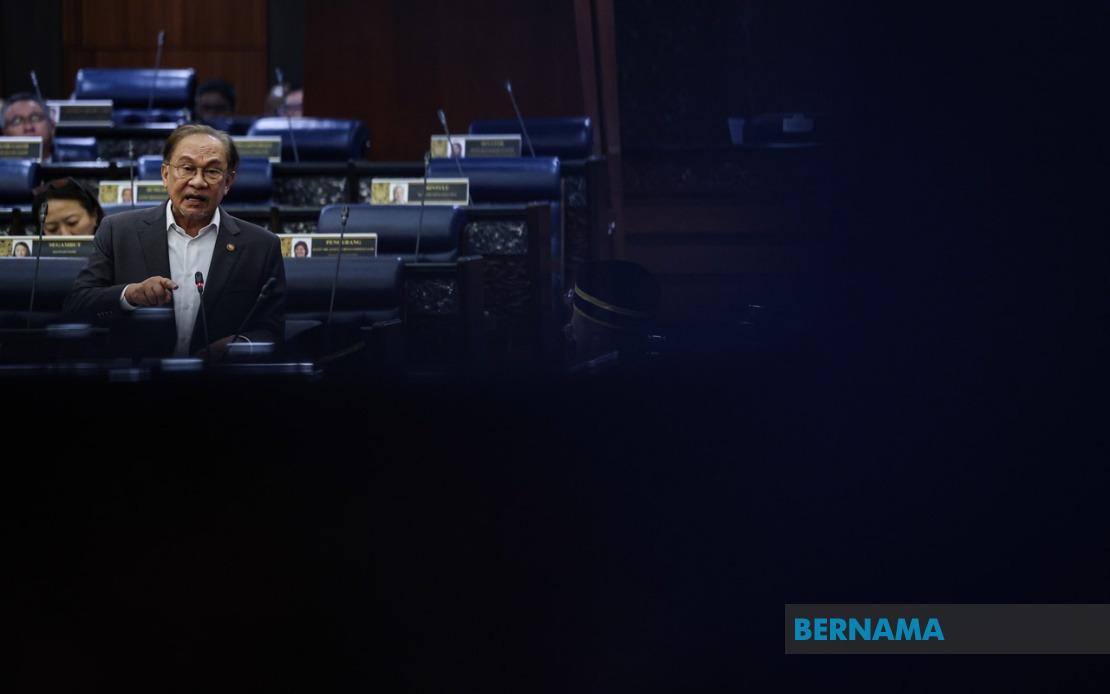
Prime Minister Datuk Seri Anwar Ibrahim has introduced a significant procedural safeguard for media practitioners, announcing that complaints lodged against journalists from recognised news organisations will no longer automatically trigger government investigations or enforcement measures. Instead, all such grievances must first be examined by the Malaysian Media Council, which will serve as an independent gatekeeper determining whether formal action is warranted. This structural change represents an attempt to insulate the journalism profession from what observers have characterised as overzealous prosecution based on complaints alone.
Anwar framed the new mechanism as essential infrastructure designed to ensure that action taken against media practitioners operates within transparent, fair, and genuinely independent parameters. By inserting the Media Council between complaint and enforcement, the government aims to prevent journalists from facing legal jeopardy simply because they have attracted official displeasure or institutional irritation. The Prime Minister emphasised that the process eliminates the risk of journalists being subjected to investigations or prosecution without adequate scrutiny, addressing longstanding concerns that press freedom in Malaysia has been compromised by overly broad legal instruments and their politicised application.
During Minister's Question Time in the Dewan Rakyat, Anwar responded to concerns raised by Datuk Mohd Isam Mohd Isa regarding Malaysia's legal framework, which permits journalists to face charges under the Sedition Act 1948 and the Official Secrets Act 1972. These statutes, widely criticised by international press freedom advocates and local civil society organisations, have historically been wielded against media practitioners covering sensitive political matters or exposing government misconduct. The Prime Minister's acknowledgement of this tension—while defending the existence of legal boundaries applicable to all citizens—reflects the delicate balance his administration seeks between maintaining order and expanding democratic space.
Anwar was explicit in rejecting the notion that journalists deserve categorical immunity from legal constraints. He observed that no jurisdiction globally grants absolute freedom to press practitioners, and that both the Prime Minister and media professionals must operate within legal boundaries. This framing is significant because it signals that the government has not abandoned its enforcement powers but rather restructured how those powers are deployed. The introduction of a review mechanism does not represent a wholesale repeal of restrictive legislation, but rather an intermediary buffer designed to filter out frivolous or politically motivated complaints.
The Malaysian Media Council's role as the first level of institutional review is crucial to understanding how this mechanism functions in practice. Rather than government departments automatically launching investigations whenever a complaint arrives, the Council will evaluate whether the alleged conduct genuinely constitutes misconduct warranting formal action. This approach theoretically prevents the chilling effect that occurs when journalists fear that any critical reporting might trigger prosecutorial attention, though its effectiveness will depend entirely on the Council's independence, composition, and decision-making transparency.
The Prime Minister's statement carries particular significance for Southeast Asia's media landscape, where governments across the region have increasingly used ambiguous sedition laws, national security legislation, and official secrets acts to constrain critical journalism. Malaysia has been repeatedly cited by international observers as a jurisdiction where such laws have been weaponised against inconvenient reporting, creating an environment where journalists exercise self-censorship to avoid legal exposure. Anwar's reform, if genuinely implemented, could signal a shift in how the Malaysian state intends to manage the relationship between press freedom and state authority.
For Malaysian journalists and news organisations, the practical implications of this policy change remain contingent on implementation details not fully spelled out in the Prime Minister's parliamentary statement. Questions persist about the Media Council's composition, whether it will publish decisions and reasoning, how quickly it will process complaints, and whether government departments will respect its determinations. If the Council becomes a rubber-stamp institution that ultimately approves most enforcement actions, the reform amounts to procedural window-dressing. Conversely, if it develops genuine gatekeeping authority and regularly dismisses complaints lacking substantive merit, it could materially improve the operating environment for investigative journalism.
The timing of this announcement reflects broader tensions within Malaysia's political landscape. The Pakatan Harapan-led government has rhetorically committed to democratic renewal and reversing authoritarian practices from the previous administration, yet faces competing pressures to maintain order and respond to complaints from various constituencies. Journalists and news organisations have welcomed signals of reform, but remain cautious about government rhetoric being translated into binding institutional practice. This announcement represents a middle path—reform without dismantling the legal architecture itself.
International press freedom organisations will likely view this development as a modest but meaningful step in the right direction, though insufficient absent broader legislative reform. The continued existence of the Sedition Act and Official Secrets Act means that even filtered through the Media Council, journalists remain vulnerable to prosecution for activities that would be protected speech in many democracies. Nevertheless, inserting an independent review body into the enforcement chain represents a tangible constraint on executive discretion and creates a documented record that may deter arbitrary prosecution.
For Malaysian media organisations and journalists operating within the constraints of Malaysia's legal framework, Anwar's statement offers partial reassurance. The announcement that complaints will not automatically escalate to investigation addresses a key vulnerability in the previous operating environment. However, the reform's durability will depend on whether the Malaysian Media Council proves willing to exercise genuine independence from government pressure, something that cannot be assumed given Malaysia's institutional history. The coming months will reveal whether this reform represents genuine structural change or merely a procedural adjustment that ultimately leaves journalists exposed to the same prosecutorial risks.

