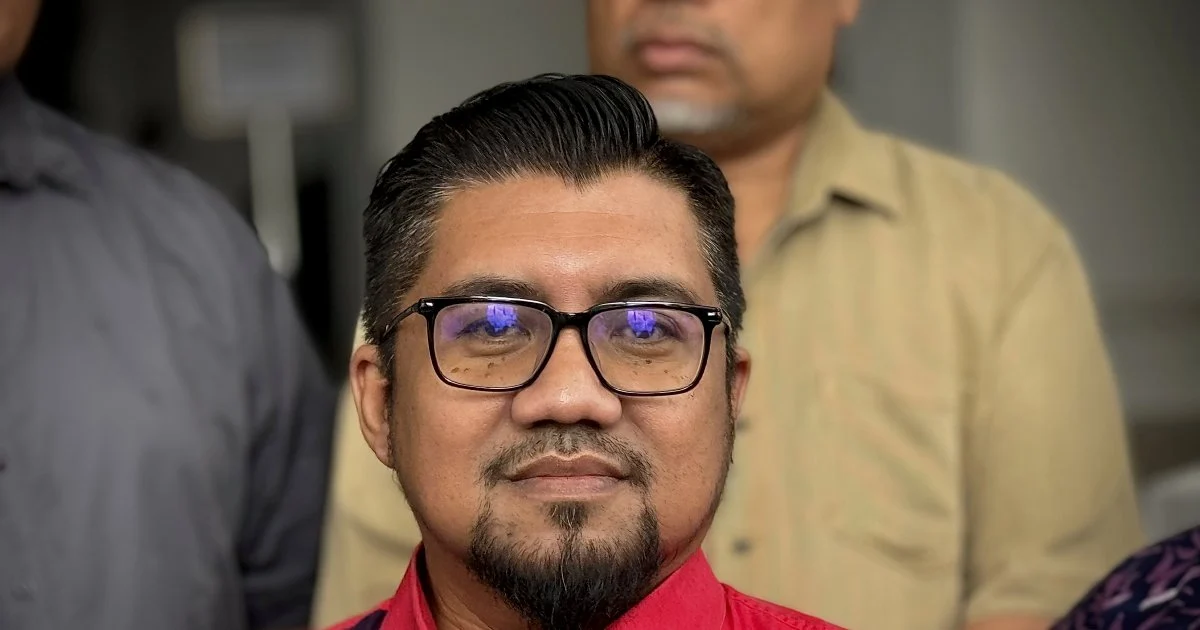
In a significant reversal of an earlier judicial decision, the High Court in Kuala Lumpur has overturned the acquittal of political activist Badrul Hisham Shaharin and mandated that he present a full defence on charges of defaming His Majesty Sultan Ibrahim, the reigning King of Malaysia. The reversal centres on statements that Shaharin is accused of making regarding a purported audience he claimed to have had with prominent political figures approximately two years prior to the court proceedings.
The case represents a notable chapter in Malaysia's ongoing legal battles surrounding freedom of speech and the boundaries of criticism directed at the monarchy. Badrul Hisham Shaharin, known to supporters in activist circles as Che'gu Bard, has maintained a public profile as a vocal commentator on political matters and perceived governance issues. His legal troubles underscore the sensitive intersection between political discourse and statutory protections afforded to Malaysia's royal institution under existing defamation and sedition frameworks.
The initial acquittal, which the High Court has now reversed, had suggested that certain evidentiary or legal thresholds had not been sufficiently met by the prosecution. However, the court's reconsideration of the matter has resulted in a determination that the case warrants progression to the defence stage, where Shaharin will have the opportunity to present evidence and arguments countering the allegations. This procedural development typically signals that the judicial panel found sufficient grounds to believe the prosecution had established a prima facie case capable of supporting a conviction.
The statements at the centre of this dispute allegedly relate to Shaharin's claims about meetings between himself and various political personalities. The characterisation of these statements as defamatory hinges on their potential to diminish or tarnish the reputation and dignity of the monarchy. Malaysia's legal system has traditionally interpreted defamation against the sovereign with considerable gravity, reflecting the constitutional and ceremonial importance attributed to the institution of the crown in the Malaysian political framework.
For Malaysian readers and observers of the political landscape, this case carries broader implications regarding the parameters of permissible public discourse. The distinction between legitimate political commentary and statements that cross into unlawful defamation remains contentious and subject to judicial interpretation. Legal scholars and civil society advocates have frequently noted that such cases create a chilling effect on open debate, particularly when they involve high-profile activists whose words carry significant reach through social media platforms and public forums.
The reversal of the acquittal also reflects the appellate court's assessment of legal errors or insufficient application of law in the original decision. This underscores the complexity of defamation jurisprudence in Malaysia, where courts must balance the protection of individual rights to expression against statutory obligations to safeguard the dignity of state institutions, particularly the monarchy. The threshold for establishing defamation—whether through factual inaccuracy, malicious intent, or statements likely to lower public estimation of the claimant—continues to evolve through case law.
Political observers in Malaysia and the broader Southeast Asian region are likely to view this development with attention to its precedential value. Activist movements throughout the region navigate similar legal landmines, where statements intended as political critique may be interpreted through the lens of sedition or defamation laws. The case of Badrul Hisham Shaharin thus becomes emblematic of tensions that many developing democracies face in reconciling political freedoms with institutional protections.
The requirement that Shaharin now mount a substantive defence means that he will be afforded the procedural opportunity to contest the factual allegations and the legal characterisation of his statements as defamatory. This stage of proceedings will likely involve submission of evidence, witness testimony, and legal arguments regarding both the truth of the statements and potential defences available under Malaysian law. The outcome will potentially influence how similar cases are adjudicated in future.
The timeline of the alleged statements—dating to approximately two years prior—suggests that Malaysian courts have continued to pursue legal action even after considerable time has elapsed. This persistence in pursuing the matter through the appellate level indicates the seriousness with which the authorities and legal system treat allegations concerning the monarchy. For Shaharin himself, the reversal represents an escalation of legal jeopardy and necessitates the mobilisation of legal resources to prepare a comprehensive defence strategy.
The broader political context surrounding this case includes ongoing debates within Malaysia regarding constitutional limits on free expression, the role of civil society activists, and the appropriate scope of state power in regulating political discourse. Similar cases have generated considerable discussion within international human rights frameworks, with various organisations monitoring Malaysia's adherence to commitments regarding freedom of expression enshrined in international instruments.
As the case progresses to the defence stage, legal practitioners and political analysts will scrutinise how the courts apply existing jurisprudence and whether this decision signals any shift in judicial approach to defamation cases involving the monarchy. The precedent established through this proceeding may influence future cases brought against political activists and critics, making it a matter of concern not only for Shaharin but for the broader ecosystem of political activism and discourse within Malaysia.

