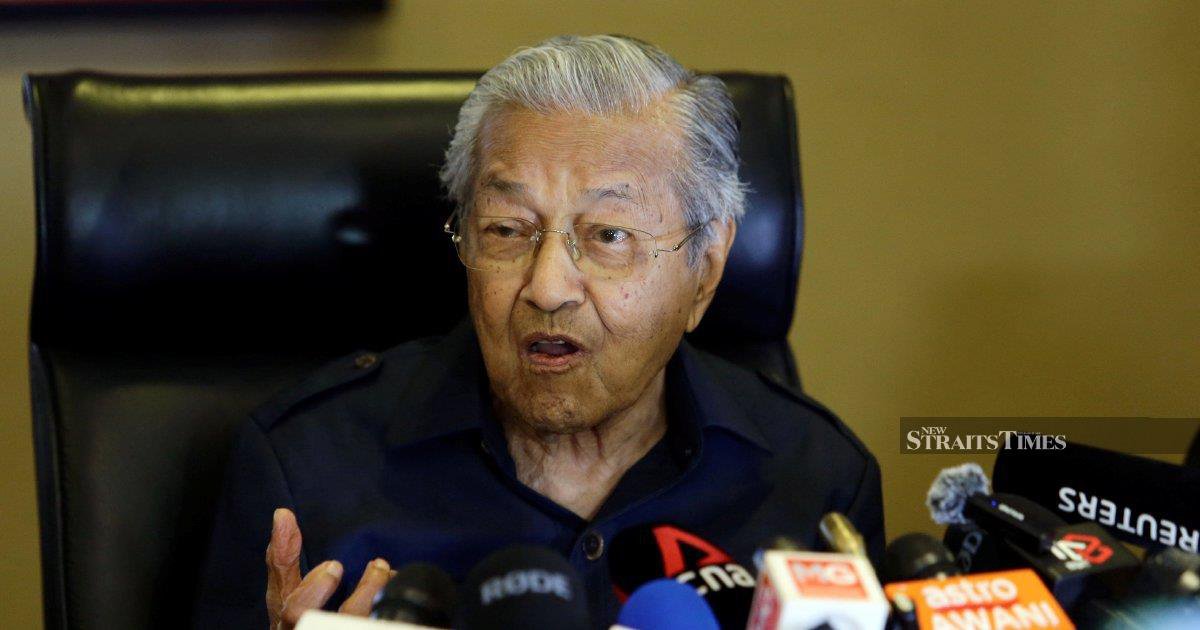
The High Court in Shah Alam is scheduled to hear a medical assessment on Friday that will determine whether former Prime Minister Tun Dr Mahathir Mohamad is well enough to continue pursuing his RM150 million defamation suit against Prime Minister Datuk Seri Anwar Ibrahim. The update represents a critical juncture in one of Malaysia's most prominent ongoing legal disputes, with the court needing clarity on the 99-year-old statesman's ability to engage in the protracted litigation.
The case itself touches on deep divisions within Malaysian politics, centring on allegations that Prime Minister Anwar made defamatory statements about Dr Mahathir. The suit was filed as part of the broader political friction between the two veteran figures, whose relationship has shifted dramatically over decades from alliance to bitter opposition. The RM150 million quantum sought underscores the gravity with which Dr Mahathir views the alleged damage to his reputation and standing.
Such health-related adjournments are not uncommon in cases involving elderly litigants, yet this situation carries particular weight given Dr Mahathir's status as a towering figure in modern Malaysian history. His age and previous health episodes have occasionally required court accommodations, reflecting the judiciary's responsibility to ensure fair proceedings while respecting the practicalities of human frailty. The Friday hearing will likely examine medical documentation and expert opinion on his capacity to participate meaningfully in ongoing court processes.
From a procedural standpoint, the court's decision will influence the trajectory of the entire case. If Dr Mahathir is deemed fit to continue, the litigation may proceed toward further substantive hearings and discovery phases. Conversely, any determination that his condition prevents active participation could lead to significant delays or require modifications to how the case is managed. Such considerations are standard in civil law, where plaintiffs must demonstrate sufficient fitness to pursue their claims.
The defamation matter reflects broader tensions within Malaysian politics that have resurfaced repeatedly in recent years. Dr Mahathir and Prime Minister Anwar have experienced a fraught political relationship marked by periods of cooperation and rupture. Their legal disputes form part of a larger narrative about power, accountability, and personal grievances at the highest levels of Malaysian governance. This particular suit represents one of several outstanding legal matters between prominent political figures that continue to occupy court time and public attention.
For Malaysian readers, the case exemplifies how courts must navigate sensitive political disputes while maintaining judicial independence and fairness. The judiciary faces the delicate task of ensuring that wealthy and powerful individuals can pursue legitimate legal remedies whilst protecting the integrity of proceedings. The Friday hearing will be watched closely by legal observers and political analysts who view such cases as markers of Malaysia's institutional health and commitment to rule of law.
The RM150 million claim itself merits consideration. Defamation awards in Malaysia vary significantly depending on the nature of statements, extent of publication, and demonstrable harm to reputation and livelihood. A claim of this magnitude suggests Dr Mahathir's legal team believes the alleged statements caused substantial reputational damage. The eventual outcome of the case, should it proceed fully, could establish important precedent regarding what constitutes actionable defamation among high-ranking political figures with pre-existing public profiles.
Institutional implications also warrant examination. When cases involving senior politicians drag through courts over extended periods, questions arise about whether such litigation serves the public interest or primarily reflects personal grievances. The resources devoted to managing this dispute might alternatively be deployed toward other legal matters affecting ordinary Malaysians. Nevertheless, the right to access courts for civil disputes is fundamental, regardless of the claimant's status or wealth.
The upcoming medical report will likely influence decisions about case management going forward. Courts must balance accommodating genuine health limitations with ensuring cases progress toward resolution. Judges will need to assess whether Dr Mahathir can reasonably participate in depositions, attend trial, receive legal advice, and make informed decisions about settlement negotiations. These are practical questions that determine whether litigation can remain viable or must be suspended indefinitely.
Regionally, Malaysia's handling of high-profile political litigation carries symbolic importance. Other Southeast Asian democracies face similar challenges when prominent figures engage in defamation disputes. How Malaysian courts navigate such cases, maintaining impartiality whilst managing the practical difficulties of aging litigants, contributes to perceptions about judicial credibility across the region. Transparent, fair procedures that respect both the rule of law and human dignity send important signals about institutional quality.
The Friday court date represents more than a routine administrative update. It will crystallise whether one of Malaysia's most significant ongoing political disputes can move toward eventual resolution or faces indefinite limbo. The court's assessment of Dr Mahathir's fitness will ripple through Malaysian legal circles and political commentary, influencing broader discussions about accountability, political speech, and the mechanics of justice in a diverse democracy where tensions between high-ranking figures periodically demand judicial intervention.

