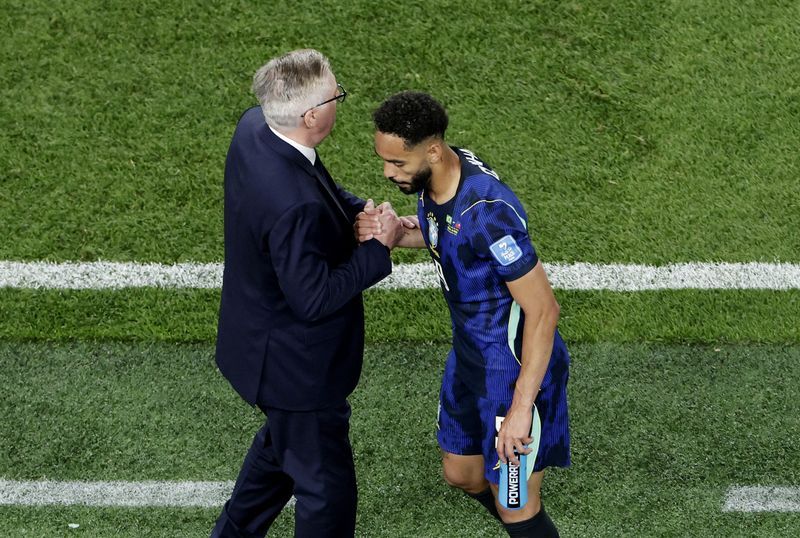
Brazil's 3-0 demolition of Haiti at their Copa America Group C encounter offered manager Carlo Ancelotti tangible evidence that his tactical recalibration is beginning to bear fruit after the sobering 1-1 draw against Morocco exposed significant deficiencies in structure and rhythm. While the Caribbean nation provided a forgiving opponent against which to experiment, the changes implemented revealed a clearer strategic direction for the tournament-favourites moving forward.
The pivotal adjustment came through the deployment of Matheus Cunha in place of Igor Thiago, a decision that immediately injected greater cohesion into Brazil's attacking play. Cunha's intelligent positioning, tireless movement, and willingness to drift laterally created the necessary bridge between the midfield and forward line that has been conspicuously absent since Neymar's serious injury robbed the squad of their most creative weapon. The 25-year-old's arrival transformed how Brazil constructed their attacking sequences, particularly down the left flank where the most potent and entertaining football emerged.
Ancelotti's diamond midfield formation—anchored by defensive solidity in deeper areas while allowing creative freedom in attacking positions—finally manifested with tangible coherence. Lucas Paqueta, previously criticized for a laboured performance in the Morocco opener, appeared significantly more comfortable operating as the left-sided midfielder within this framework. Rather than struggling to find space or rhythm, Paqueta discovered natural passing angles and effective positioning that allowed him to combine fluidly with both Vinicius Junior and Cunha, creating overlapping movements that repeatedly troubled Haiti's porous defensive organization.
Vinicius Junior's performance benefited substantially from Cunha's presence, as the Real Madrid winger suddenly received the quality of service and tactical support that had been notably absent during Brazil's first fixture. The Brazilian left flank became their most dangerous attacking avenue, with each player understanding their role within a coordinated system rather than operating as isolated threats. This understanding generated the attacking sequences from which Brazil's three goals emerged, suggesting that Ancelotti has identified a functional model upon which to build during the tournament's knockout stages.
However, the partnership between Cunha, Vinicius, and Paqueta masks deeper structural vulnerabilities elsewhere on the pitch. Barcelona's Raphinha proved wholly ineffective on the right wing throughout both Copa America matches, managing neither incisive passes nor penetrative movement from his wide position. His substitution came partly due to physical precautions following earlier training absences caused by foot blisters, yet his disconnection from the match appeared as much tactical as physical. Raphinha operates with considerably more fluidity when playing in centralized, creative roles at club level—much like Cunha's deployment against Haiti—yet remains pinned to the touchline within Brazil's current system.
The mismatch between Raphinha's preferred positioning and his assigned role within Ancelotti's setup represents more than a minor inconvenience. Should his injury concerns persist or his form deteriorate further, Brazil lacks an obvious replacement of comparable quality on the right wing. Rayan's introduction following Raphinha's removal failed to generate the necessary impact, leaving Luiz Henrique as the most probable alternative should the Barcelona player miss upcoming fixtures. This represents a significant drop in caliber and creative output, potentially explaining why Ancelotti and his technical staff must urgently identify solutions to balance Brazil's attacking approach.
Defensive vulnerabilities also demand attention as Brazil contemplate fixtures against stronger nations. Casemiro, now 34 years old, may struggle to provide sufficient cover during sustained periods of opposition pressure against teams who exploit space more intelligently than Haiti managed. The possibility of repositioning Bruno Guimaraes from his promising right-midfield performance to a deeper defensive role would shore up vulnerable territory but would simultaneously diminish the attacking creativity that slowly emerged during this encounter. This tactical compromise could determine Brazil's trajectory through the tournament, representing a choice between attacking ambition and defensive insurance that Ancelotti must navigate carefully.
While Haiti provided insufficient resistance to constitute a meaningful examination of Brazil's tournament credentials, Ancelotti's adjustments indicated a team beginning to understand its optimal configuration. The left-flank dominance generated by Cunha's intelligent movement and technical quality offers a pathway toward the fluency and incisive passing that Brazil's supporters expect from their national team. Yet the concurrent inadequacy of the right flank and lingering questions about midfield durability suggest that Ancelotti's task remains unfinished, with multiple variables demanding solution before the tournament reaches its critical stages.

