Kuala Lumpur City Hall (DBKL) has initiated formal proceedings to purchase land that is currently obstructing a public access road at Jalan Taman Datuk Senu in Sentul, addressing a problem that has drawn widespread social media attention from frustrated residents. According to Kuala Lumpur Mayor Datuk Seri Fadlun Mak Ujud, the underlying issue stems from an administrative oversight: no land acquisition was ever completed for the thoroughfare, meaning the road that residents have relied on for years technically sits on private property. This disconnect between public use and private ownership created the conditions for the recent blockade that disrupted daily commute patterns for the community.
The complexity of the situation underscores a broader urban governance challenge facing Malaysia's capital. When public infrastructure develops over private land without formal legal frameworks, municipalities face enforcement challenges and potential disputes. In the Sentul case, preliminary efforts to find resolution began in February through discussions among relevant stakeholders, but these informal negotiations proved insufficient to break the impasse. The decision to pursue formal acquisition represents an escalation in approach, shifting from dialogue to legal mechanisms designed to protect public interests while ensuring landowners receive appropriate compensation.
Fadlun explained that DBKL cannot unilaterally resolve the matter and must instead navigate the official governmental machinery. The city authority has submitted an application to the Department of the Director General of Lands and Mines (JKPTG), which now oversees the acquisition process. This bureaucratic requirement reflects Malaysia's centralized land administration system, where state-level approval is necessary for major land transactions involving public authorities. The involvement of JKPTG introduces procedural steps that must be followed meticulously to ensure legal validity and defensibility of the acquisition.
The path forward involves several sequential stages that will determine the timeline for resolution. After obtaining official approval from the relevant government body, DBKL must proceed through gazettement procedures—a public announcement process that allows for objections and ensures transparency. Simultaneously, the Valuation Department will assess fair market value for the land, forming the basis for compensation to the private owner. Fadlun indicated that if these processes encounter no significant obstacles and all parties accept the valuation, the complete acquisition could be finalized within three to four months. However, he acknowledged that timescales remain contingent on smooth implementation at each bureaucratic stage.
The mayor's public appeal to the affected landowner reveals the delicate balance DBKL must maintain between respecting property rights and serving public convenience. By emphasizing the extended period during which residents have used the road and requesting patience from the landowner, Fadlun attempted to frame the acquisition as both inevitable and reasonable. This rhetorical approach recognizes the owner's legitimate claim to their property while highlighting the community interest at stake. The compensation process will ultimately determine whether the landowner views the settlement as equitable or whether disputes may prolong resolution beyond the optimistic three-to-four-month estimate.
The Taman Datuk Senu blockade gained prominence through social media activism, with residents publicizing the disruption to their principal access route. Such digital amplification of local grievances has become a defining feature of contemporary Malaysian civic engagement, often compelling municipal authorities to act with greater urgency than they might otherwise demonstrate. The viral spread of complaints about the road closure effectively escalated the issue from a local inconvenience to a matter of public accountability, forcing DBKL and higher authorities to respond substantively rather than allow the situation to persist indefinitely.
For Kuala Lumpur residents and property owners alike, the Sentul case offers instructive lessons about the importance of formal legal documentation in urban land use. The circumstances that created this dispute—a public road existing on private land without formal acquisition—likely stem from historical development patterns where administrative procedures lagged behind physical infrastructure expansion. As the capital continues to densify and older neighborhoods undergo informal evolution, similar situations may arise elsewhere, suggesting that DBKL should undertake systematic audits of other public assets lacking proper legal foundation. Such proactive measures could prevent future conflicts and clarify the legal status of infrastructure that residents depend upon.
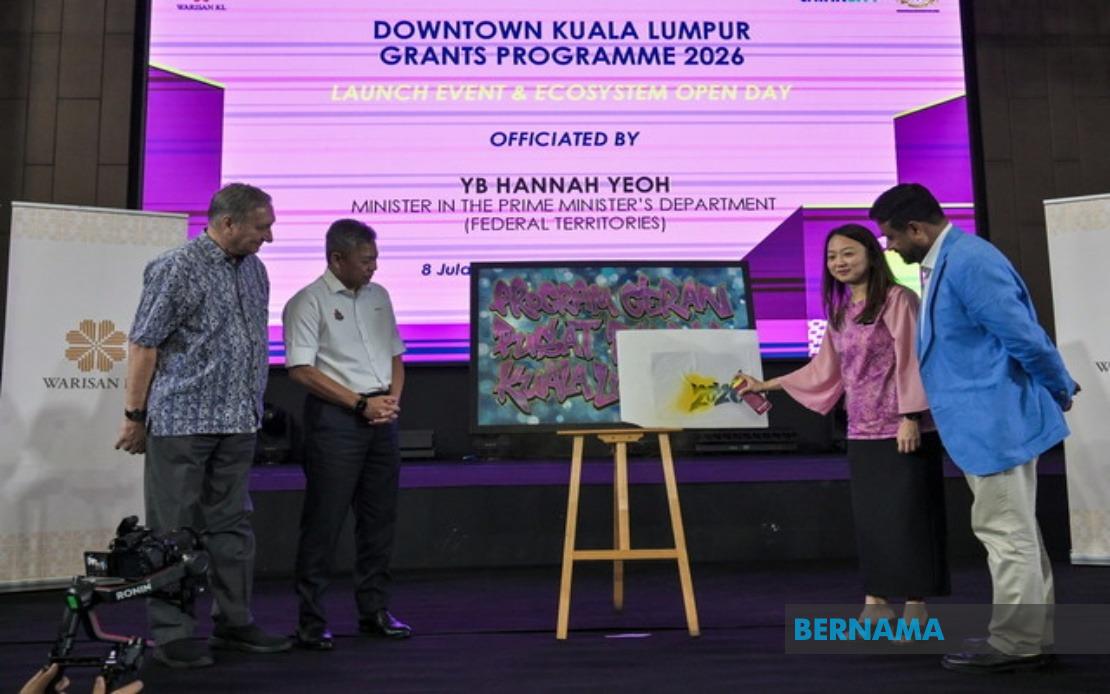
Minister in the Prime Minister's Department (Federal Territories) Hannah Yeoh's presence at the event signaled federal-level engagement with the issue, indicating that resolution of the access road problem had attracted attention beyond municipal level. The involvement of the federal territories ministry underscores the complexity of governance structures in Kuala Lumpur, where DBKL operates within a federal administrative framework. This multi-layered oversight can sometimes slow decision-making but also provides additional resources and authority to resolve intractable local disputes through higher-level intervention.
The acquisition process, once completed, will establish clear legal title allowing DBKL to manage and maintain the road as public infrastructure without ambiguity. This formalization of tenure represents not merely a technical legal transaction but a consolidation of the public's right to essential urban mobility. For the broader Sentul community, successful acquisition would validate their claims to unimpeded access and demonstrate that sustained civic pressure, amplified through digital channels, can compel authorities to act decisively. As Malaysian cities continue expanding and incorporating previously peripheral areas, establishing robust legal frameworks for public infrastructure will prove increasingly essential to preventing comparable disputes elsewhere.

