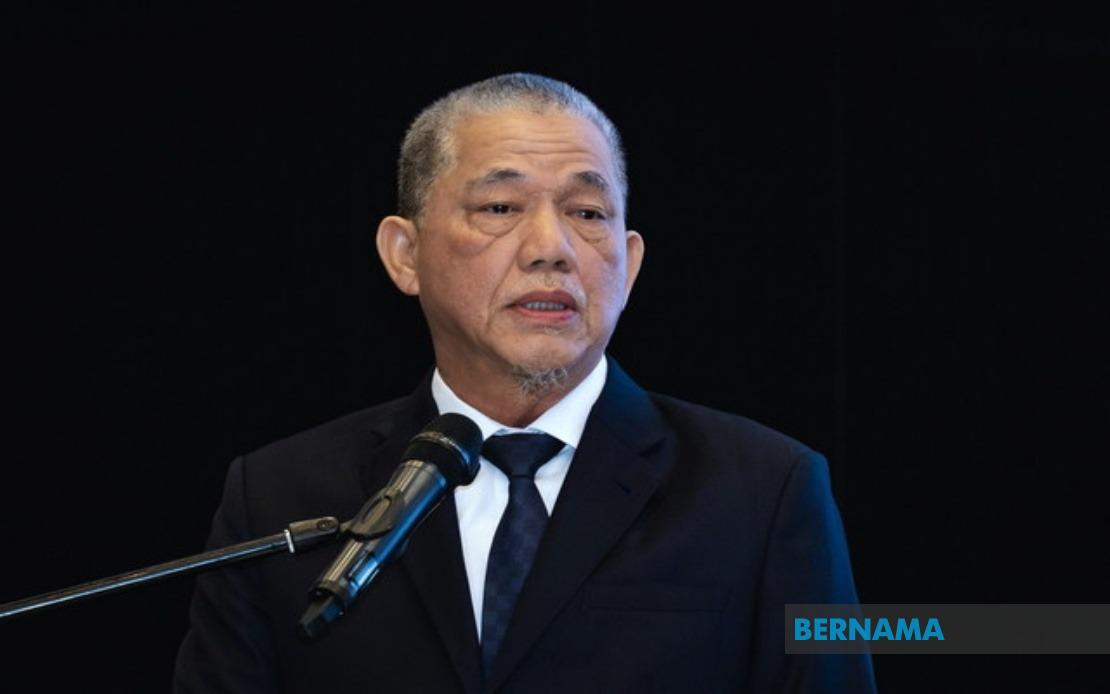
Deputy Prime Minister Datuk Seri Fadillah Yusof will undergo heart bypass surgery at the National Heart Institute (IJN) in the coming weeks, his office announced today in Putrajaya. The surgical intervention follows recommendations from his medical team after what appears to be recent cardiac assessment and consultation.
The confirmation came through a statement released by Datuk Misiah Taib, who serves as press secretary to the senior cabinet minister across his multiple portfolios. Among his significant positions, Fadillah holds the ministerial role overseeing Energy Transition and Water Transformation (PETRA), a critical portfolio given Malaysia's commitment to renewable energy targets and sustainable water management amid climate pressures affecting the region.
According to the official statement, Fadillah's current health status remains stable, a reassuring indicator for both his family and the government machinery that depends on his leadership. The medical team has advised him to prioritize complete rest and recovery, steering clear of official engagements and visitor interactions during his treatment phase. This precautionary measure aims to allow his body undistracted focus on healing without the demands that typically accompany high-level government office.
The family has requested public discretion and privacy during this period, asking Malaysians to remember Fadillah in their prayers. The appeal reflects the gravity of bypass surgery, a complex cardiac procedure that requires both skilled surgical intervention and careful postoperative recovery. The family's emphasis on uninterrupted treatment underscores how serious cardiac health matters demand protected recuperation time away from state business and public engagement.
Heart bypass surgery represents a significant medical undertaking, typically performed when coronary arteries become severely narrowed or blocked, restricting blood flow to heart muscle. The procedure involves grafting healthy blood vessels to redirect blood around the damaged areas, restoring adequate circulation. Such operations carry inherent risks but remain among the most established interventions in cardiology when conservative treatments prove insufficient.
Fadillah's illness introduces questions about Malaysia's leadership continuity during critical policy phases. His PETRA portfolio encompasses water security and energy transition, areas fundamental to Malaysia's economic competitiveness and environmental sustainability. With the government pursuing aggressive renewable energy deployment and managing water distribution across competing demands from agriculture, industry, and urban consumption, his temporary absence from active ministerial duties could impact momentum on these fronts.
As Deputy Prime Minister, Fadillah holds one of the nation's most demanding constitutional roles, often called upon to chair cabinet meetings and represent government interests across multiple domains. His convalescence will require the Prime Minister and other senior ministers to absorb additional responsibilities, testing the government's operational resilience and delegation capacity during his recovery phase.
Cardiovascular disease remains a leading health concern across Southeast Asia, including Malaysia. The region grapples with rising prevalence of heart conditions driven by urbanization, dietary shifts, sedentary lifestyles, and aging populations. High-profile cases involving senior government officials underscore the importance of preventive health screening and early detection programs, lessons applicable to the broader Malaysian population confronting similar cardiovascular pressures.
The National Heart Institute stands as Malaysia's premier cardiac care facility, equipped with cutting-edge surgical technology and staffed by experienced cardiologists and cardiac surgeons. The institution's reputation for excellence provides reassurance regarding the quality of care Fadillah will receive, positioning Malaysia well internationally for complex cardiac interventions that sometimes attract medical tourists from neighboring countries seeking advanced treatment.
Fadillah's recovery timeline remains unclear, though typical heart bypass recovery requires several weeks of gradual rehabilitation before resuming full ministerial capacity. This period will likely see delegated authority arrangements and temporary policy adjustments within the PETRA ministry and broader cabinet functions. The government will need to maintain policy momentum on energy transition initiatives and water security matters despite the Deputy Prime Minister's medical absence.
The family's gratitude expressed toward supporters reflects the communal dimension of serious illness in Malaysian society, where religious faith and community solidarity play meaningful roles in patient and family coping. The public's continued concern and prayers represent expressions of goodwill toward a prominent national figure whose contributions to government directly influence policies affecting millions of Malaysians across multiple sectors.
As Fadillah embarks on surgical treatment, the incident reminds Malaysia's leadership and broader public about health vulnerabilities affecting even the nation's most senior officials. Post-surgery, his return to full duties will demonstrate both personal resilience and the health system's capacity to restore senior leaders to productive capacity, with implications for how the government manages other potential leadership disruptions in coming years.

