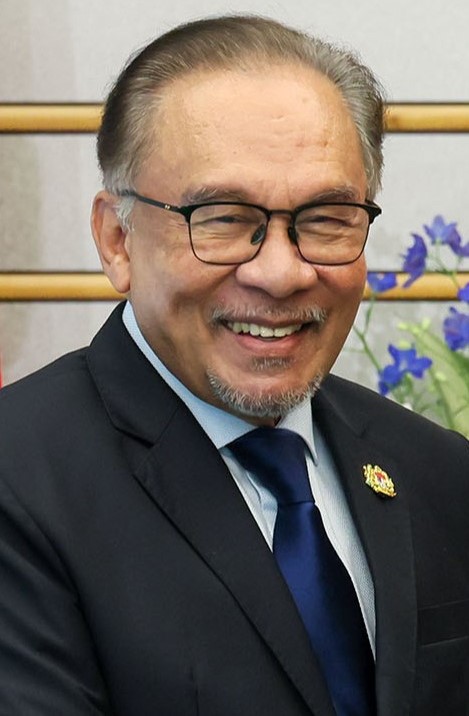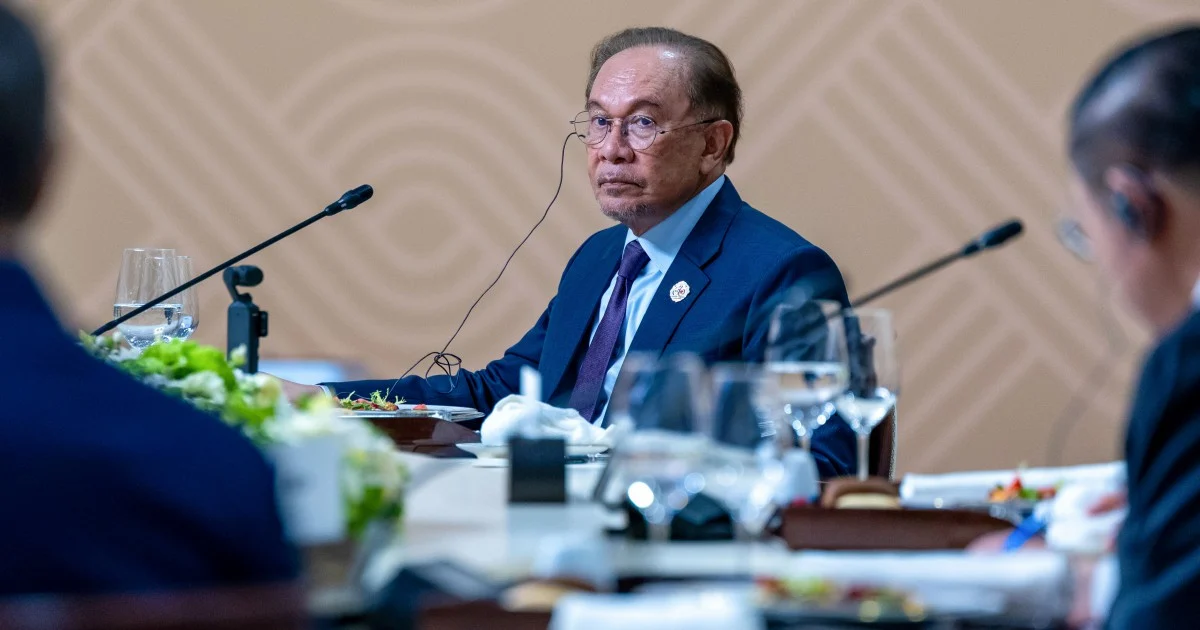
Prime Minister Datuk Seri Anwar Ibrahim has sounded a pointed warning that developing nations will not hesitate to explore alternative international partnerships if European countries persist in treating them inequitably. The caution, delivered with particular reference to a defence-related matter involving Norway, underscores mounting frustrations within the Global South regarding asymmetrical power dynamics in international relations and the conditions imposed by developed Western economies.
The remarks reflect broader tensions between Malaysia and certain European nations on matters of policy implementation and trade conduct. Malaysia, as one of Southeast Asia's largest economies and a significant player in regional affairs, has positioned itself as an advocate for fairer treatment of developing nations within multilateral frameworks. This posturing gains considerable weight given Malaysia's influence across ASEAN and its standing in forums such as the Non-Aligned Movement, where grievances about Western-centric global governance structures resonate strongly among member states.
The reference to Norway carries particular significance within Malaysia's regional context. Beyond the bilateral tensions, it signals that even smaller European nations perceived as progressive or neutral are viewed critically by Kuala Lumpur if their policies conflict with Malaysian interests. This framing is strategically important as it suggests that Europe's internal diversity—where individual nations pursue independent foreign policies—does not guarantee fair treatment for developing economies in bilateral negotiations or dispute resolution.
Anwar Ibrahim's intervention highlights the strategic repositioning occurring across the Global South. Countries in Southeast Asia, South Asia, Africa, and Latin America increasingly recognize they possess leverage they were previously reluctant to deploy. The rise of alternative economic structures, investment partnerships with China and other non-Western powers, and the growth of regional groupings have fundamentally altered negotiating dynamics. Malaysia itself has benefited from investments and partnerships extending beyond traditional Western relationships, providing genuine optionality in foreign policy choices.
The warning also reflects impatience with what many developing nations characterize as double standards in international conduct. European countries often advocate for principles of fairness, rule of law, and transparent governance while simultaneously employing pressure tactics, conditional aid, and preferential treatment based on geopolitical alignment. From Malaysia's perspective, particularly on defence matters where strategic interests intersect with sovereignty concerns, such perceived hypocrisy erodes the credibility of Western governance narratives.
For Malaysia specifically, defence partnerships carry outsized importance given the country's geographic position along crucial maritime chokepoints and its need to maintain military readiness amid regional security challenges. Any defence-related dispute with a European nation therefore touches upon core security interests. The implication that Malaysia might redirect such partnerships—whether towards other democracies, regional powers, or non-aligned nations—represents a meaningful shift in how Kuala Lumpur calculates its strategic options.
The prime minister's remarks will likely reverberate throughout Southeast Asia, where similar grievances about Western behaviour persist across multiple governments. Countries like Indonesia, Thailand, and Vietnam have expressed comparable frustrations about conditions attached to economic arrangements or criticism of domestic policies. Malaysia's articulation of these concerns provides diplomatic cover for other nations and strengthens collective positioning within regional and multilateral forums where developing nations increasingly act as a bloc.
Beyond the immediate diplomatic messaging, the warning signals that Malaysia will not automatically default to Western partnerships based on historical relationships or institutional proximity. This reflects genuine shifts in global economic and political power. The emergence of alternative development financing mechanisms, the expansion of non-Western investment, and the demonstrated capacity of developing nations to pursue independent strategic paths have fundamentally altered the calculations that previously locked nations into Western-centric alliances.
The timing of such remarks also deserves consideration. Malaysia has been reasserting its voice in international affairs and positioning itself as a champion of developing world interests. Whether through statements in multilateral forums, engagement with newly emerging powers, or careful balance-seeking in major power competition, Anwar Ibrahim's government has demonstrated commitment to protecting Malaysian sovereignty and maximizing the country's room for independent manoeuvre. The warning to Europe must be understood within this broader strategic reorientation.
For European nations seeking sustained relationships with developing countries like Malaysia, the message is unmistakable: fairness and respect for sovereignty are not abstract principles but practical requirements for maintaining influence. Countries that perceive themselves as treated unjustly will invest energy in cultivating relationships elsewhere. This reality, once accepted primarily in academic analyses of multipolarity, now shapes the everyday calculations of policymakers throughout the developing world.
Looking forward, Malaysia's stance will likely influence how other Southeast Asian nations frame their own international relationships. The cumulative effect of such messaging—when delivered by major regional players—gradually shifts global diplomatic culture toward greater recognition of developing nation interests. Whether regarding defence arrangements, trade negotiations, or participation in international governance structures, the assumption that Western preferences should prevail is increasingly contested and no longer automatically accepted.
The prime minister's warning ultimately reflects not merely a single dispute with Norway or frustration with specific European policies, but rather a fundamental reckoning about power and fairness in international relations. Developing nations, having repeatedly demonstrated they possess meaningful alternatives, are now using that leverage to demand genuine reciprocity rather than nominal respect.