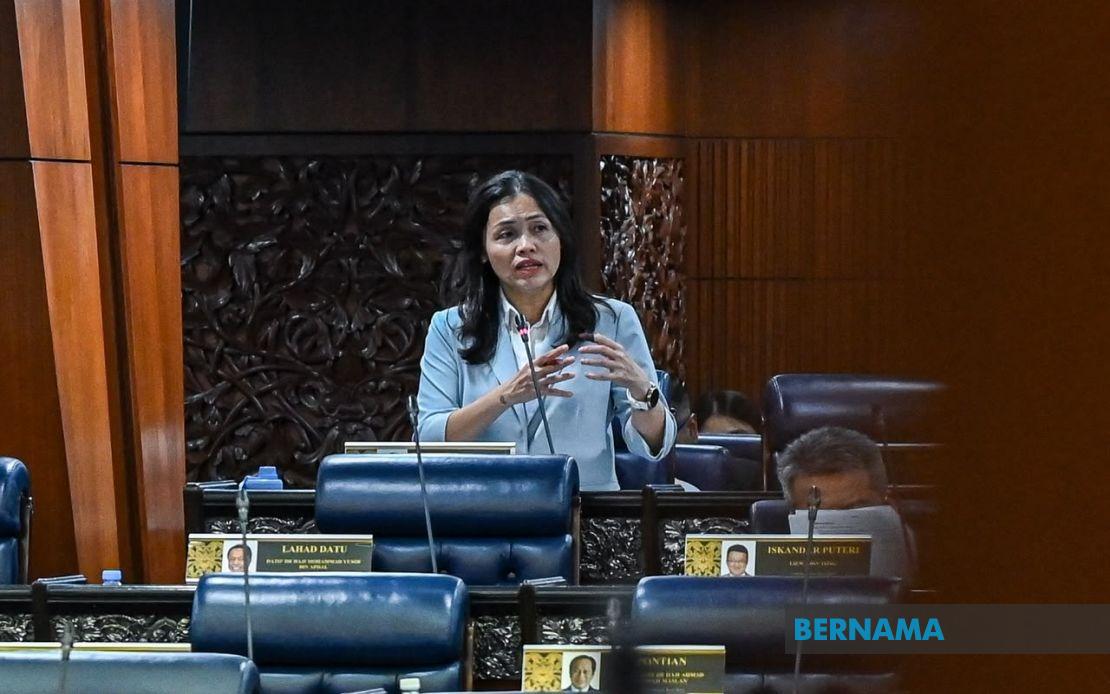
Parliament has approved significant amendments to the Communications and Multimedia Act designed to fortify Malaysia's digital communications framework in an era of accelerating technological change and evolving security threats. The Dewan Rakyat passed the Communications and Multimedia (Amendment) Bill 2026 on July 15, clearing the way for a revamped regulatory approach that integrates national security considerations into the country's Universal Service Provision initiative without burdening consumers with additional costs.
The legislative update reflects growing recognition across the region that communication networks have become critical national assets requiring elevated protection and strategic oversight. Deputy Communications Minister Teo Nie Ching explained that the reforms seek to maintain the relevance of Malaysia's communications legal framework amid shifting geopolitical dynamics and the nation's expanding dependency on interconnected digital infrastructure. Rather than broadening the Communications and Multimedia Act's jurisdiction into areas already administered by other government bodies, the amendments narrowly focus on communications and multimedia regulation, particularly provisions governing the installation of network facilities and delivery of related services under the Universal Service Provision framework.
The Universal Service Provision initiative represents a carefully calibrated approach to expanding digital access while embedding resilience and security protections into network architecture from the ground up. This strategy addresses a persistent challenge across Southeast Asia: ensuring that remote and underserved populations gain reliable access to communications services without sacrificing the robustness and dependability that modern economies demand from their digital backbone. The initiative specifically targets enhanced security, resilience, reliability and continuity of communications services nationwide—objectives that have become increasingly pressing as cyberattacks on critical infrastructure grow more sophisticated globally.
Concerns about cost transmission to end users proved significant during parliamentary deliberations. Teo provided reassurance that the Universal Service Provision Fund operates independently, drawing revenues exclusively from contributions levied on licensees operating under the existing regulatory framework. These accumulated funds may be deployed only toward building network infrastructure and delivering associated services, creating a ring-fenced financial mechanism that prevents subsidies from being recovered through consumer tariffs. This fiscal structure offers important protection for Malaysian households and businesses, particularly those already struggling with connectivity gaps.
Rural and island constituencies voiced strong support for the amendments, recognizing infrastructure deficits that have persisted despite decades of development efforts. Datuk Suhaimi Nasir, representing the Sabah seat of Libaran, stressed that the legislative changes must prioritize accelerating network expansion into rural, interior, coastal and island regions within his state. He emphasized that communication coverage represents not merely convenience but an essential prerequisite for emergency response capacity—areas lacking stable networks face dangerous delays when disasters strike and urgent assistance must be coordinated and mobilized swiftly. This perspective underscores how digital divides translate into tangible public safety vulnerabilities.
Financial transparency emerged as a priority for parliamentary monitors concerned about protecting rural development allocations. Datuk Mohd Suhaimi Abdullah, speaking for the Langkawi constituency under the Perikatan Nasional banner, requested that the Communications Ministry publicly disclose the current accumulated balance within the Universal Service Provision Fund and provide detailed disclosure of intended spending priorities. His intervention reflects broader anxieties that resource competition between security upgrades and geographic expansion might disadvantage Malaysia's least-developed areas, where populations have waited longest for quality communications infrastructure.
Cybersecurity capacity and digital defense capabilities figured prominently in parliamentary discussions, signaling awareness that Malaysia faces growing exposure to information manipulation and data theft operations. Datuk Shahelmey Yahya proposed that the government periodically gazette updated classifications of digital manipulation techniques and malicious practices, enabling citizens to recognize emerging threats and adopt protective measures for their personal information and financial accounts. He additionally called upon the Malaysian Communications and Multimedia Commission to deepen its internal expertise in cybersecurity, suggesting current institutional capacity may not match the sophistication of threat actors targeting the nation's digital ecosystem.
The amendments proceed against a backdrop of accelerating digital transformation across Malaysia and Southeast Asia, where economies increasingly hinge on reliable, secure communications networks. Policymakers across the region have begun acknowledging that the era of separating communications regulation from security considerations has ended. Network failures now ripple through finance, healthcare, transportation and government services simultaneously, creating systemic risks that justify integrating security protocols into fundamental infrastructure standards. Malaysia's legislative approach reflects this maturing understanding.
The eighteen Members of Parliament who participated in deliberations demonstrated broad consensus around the necessity of strengthening Malaysia's digital infrastructure governance, despite sectional disputes over resource allocation and implementation priorities. The majority vote approving the amendments signals that security enhancement and equitable access to communications services increasingly represent shared national objectives rather than competing ideological positions. This legislative convergence may facilitate faster implementation as the government moves from parliamentary approval toward operational deployment of Universal Service Provision security measures.
For Malaysian businesses and residents, these amendments promise gradual improvement in communications reliability and security without the tariff increases that might otherwise be necessary to fund infrastructure upgrades. However, implementation success will depend on whether the Communications Ministry can simultaneously execute geographically ambitious expansion while embedding sophisticated security measures into new network deployments. The coming months will reveal whether parliamentary consensus translates into effective execution capable of finally closing Malaysia's persistent digital divides while fortifying the nation's communications architecture against emerging threats.

