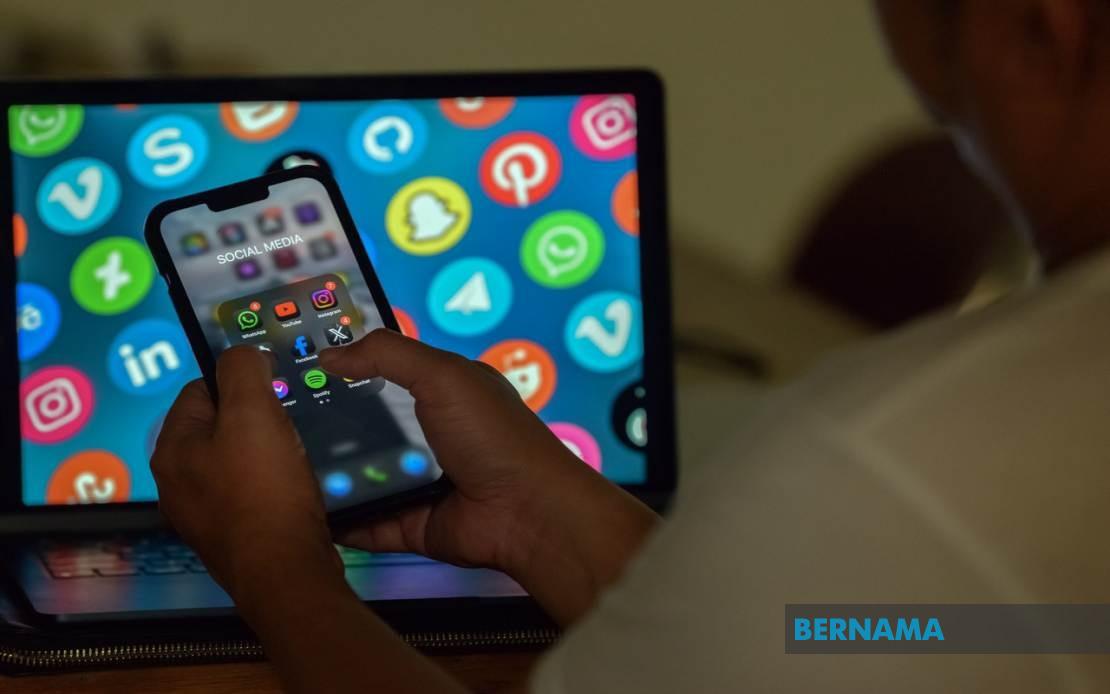
The upcoming Negeri Sembilan state election on August 1 is being defined by a fundamental shift in how candidates connect with voters. Rather than relying solely on traditional campaign methods, politicians from Pakatan Harapan, Barisan Nasional, and Perikatan Nasional have made social media their primary engagement tool, recognizing its unparalleled reach among the state's 889,490 registered voters. This digital-first approach reflects broader transformations in political communication across Southeast Asia, where online platforms have become as important as physical rallies in determining electoral outcomes.
The strategic deployment of multiple platforms reveals a sophisticated understanding of voter segmentation by age and digital behaviour. Older demographics, including Baby Boomers and Generation X, predominantly congregate on Facebook and YouTube, where they consume longer-form political content and engage through comments and shares. Middle-aged voters and millennials similarly favour these established platforms, though with greater cross-platform participation. Meanwhile, Generation Z voters have fractured across newer networks, with TikTok, Instagram Reels, and Threads capturing their attention through shorter, more visually dynamic content. Candidates have responded by essentially running parallel campaigns across these ecosystems, tailoring messaging, tone, and format to match each platform's audience expectations and algorithmic preferences.
The content strategies employed demonstrate how campaigns have evolved beyond simply broadcasting messages. Rather than lengthy policy speeches or formal statements, candidates increasingly craft point-of-view clips, behind-the-scenes footage, and trending audio-driven videos designed for viral potential. These formats humanize politicians, showing them performing daily prayers, sharing meals with constituents, or conducting community outreach on motorcycles. This approach proves particularly effective for undecided voters and younger demographics who find traditional political theatre inauthentic or alienating. The use of infographics to explain manifestos and policy positions makes complex information digestible for social media audiences with limited attention spans.
Pakatan Harapan has been particularly aggressive in this space. Datuk Seri Aminuddin Harun, the Linggi candidate and current menteri besar, has amassed significant engagement through daily activity documentation that emphasizes accessibility and religious commitment—two powerful signals to conservative Malaysian voters. His messaging, which couples service narratives with religious framing and appeals to voter pragmatism about proven governance, demonstrates how digital platforms allow politicians to simultaneously communicate multiple layers of identity and values. Ahmad Shahir Mohd Shah, known as Ustaz Shahir, leverages his religious credentials through the same channels, while Dr Azizul Hakim Mahdi has innovatively used social media to promote community health screenings, directly converting online engagement into tangible constituent services.
Barisan Nasional candidates have adopted comparable strategies, with figures like Datuk Seri Mohamad Hasan and Datuk Seri Jalaluddin Alias using social platforms to broadcast their campaign activities and voter interactions. This convergence of tactics across coalitions suggests that in contemporary Malaysian politics, the digital playbook has become standardized. Where differentiation occurs lies not in platform choice but in the authenticity and consistency of messaging, the frequency of engagement, and the ability to mobilize supporter networks for amplification. Perikatan Nasional candidates, including representatives from Bersatu, smaller parties such as Parti Orang Asli Malaysia and Parti Sosialis Malaysia, and independent contenders have similarly embraced social media, understanding that without an online presence, they effectively cede entire voter segments to larger competitors.
The implications for Malaysian electoral politics extend beyond Negeri Sembilan. This election serves as a testing ground for strategies that will likely proliferate in subsequent state and federal contests. The normalization of social media campaigning raises important questions about information quality, algorithmic manipulation, and the concentration of campaign resources among parties with greater digital literacy and funding. For voters, the transition to digital platforms offers both opportunities and risks. On one hand, candidates become more accessible, and voters gain exposure to diverse viewpoints. On the other, the fragmentation of political communication across platforms can reinforce echo chambers and limit cross-coalition dialogue. Furthermore, the emphasis on engagement metrics and viral potential may incentivize sensationalism over substance.
The demographic targeting evident in these campaigns also reveals deeper insights into Malaysian society. The persistence of generational divides in platform usage suggests that political messaging will remain segmented, with older voters receiving information and appeals fundamentally different from younger voters' experiences. This fragmentation potentially complicates the formation of coherent electoral mandates and complicates governance post-election. Politicians elected through carefully microtargeted digital campaigns may face challenges governing populations with incompatible expectations shaped by different information environments. Additionally, the resource intensity of managing campaigns across multiple platforms simultaneously may further disadvantage smaller parties and independent candidates, despite social media's theoretical democratization of political speech.
The timing of the Negeri Sembilan election places it at the vanguard of Malaysia's digital political transition. Early voting scheduled for July 28 provides a compressed timeline for campaign intensity, concentrating candidate efforts during the final weeks. This compressed schedule paradoxically enhances social media's advantage, as rapid-fire content cycles and trending topics can dominate voter attention more effectively than traditional media with longer news cycles. Candidates who master real-time engagement—responding quickly to current events or voter comments—gain significant advantages in this environment. The August 1 polling date thus represents not merely a state election but a benchmark moment in documenting how thoroughly social media has reorganized Malaysian political practice.
Observers across Southeast Asia will scrutinize these campaign methodologies closely. Regional governments are increasingly attentive to how digital platforms reshape electoral dynamics, particularly given concerns about disinformation, foreign interference, and the erosion of shared factual baselines. Negeri Sembilan's campaign provides practical evidence of how campaigns operate in an environment where traditional gatekeeping institutions hold less authority than platform algorithms. The question of whether digital sophistication translates into electoral success—whether campaigns optimized for engagement actually move votes—will become clearer once August 1 results emerge, potentially offering lessons that shape election strategies across Malaysia and the broader region for years to come.

