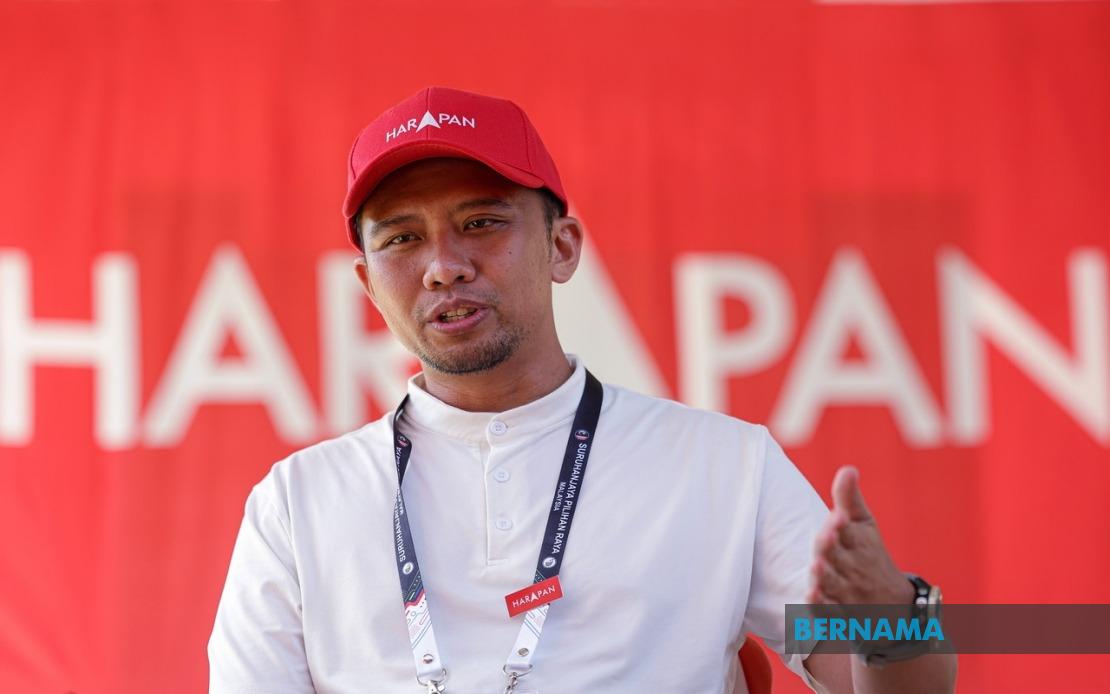
The Negeri Sembilan state election has produced an unconventional candidate in Rantau: Dr Azizul Hakim Mahdi, a 35-year-old practising physician who has brought his medical credentials directly into his election campaign. Rather than limiting his outreach to conventional political messaging, the Pakatan Harapan hopeful is walking the constituency with both campaign literature and a stethoscope, conducting complimentary health screenings at voters' homes. This hybrid approach to electioneering reflects a broader trend of candidates seeking to address immediate constituent needs whilst simultaneously building personal rapport and political support ahead of polling day on August 1.
The strategy reveals something meaningful about how Malaysian political campaigns are evolving beyond traditional rhetorical contests. Dr Azizul Hakim's initiative targets a demographic particularly susceptible to electoral persuasion: elderly residents and individuals managing chronic conditions who often struggle to access regular medical attention. By combining healthcare delivery with political engagement, he creates multiple touchpoints with constituents, addressing a genuine service gap whilst establishing himself as a solution-oriented leader. For senior citizens managing medications or patients requiring hospital appointment reminders, such a service provides tangible value that transcends campaign season politicking.
As a private medical practitioner operating a clinic in Senawang, Dr Azizul Hakim possesses the professional credentials to execute this approach credibly. During his door-to-door visits throughout Rantau, he conducts thorough health assessments, reviews medication regimens with patients, and helps coordinate hospital visits for immobilised residents. This level of personalised medical attention stands in sharp contrast to the typical campaign trail handshake, creating memorable interactions that voters are likely to discuss within their social networks. The approach effectively transforms traditional campaigning into a service-delivery exercise, where political visibility and practical healthcare support become inseparable.
Dr Azizul Hakim's stated intention to expand this initiative into a permanent mobile medical unit service should he secure the Rantau mandate speaks to a longer-term vision beyond the election cycle. The proposal to establish regular healthcare outreach to every residential area and village addresses genuine accessibility concerns in state constituencies where populations may be geographically dispersed or economically unable to afford private medical consultations. This commitment suggests that the candidate views healthcare equity as a substantive governance issue rather than merely campaign theatre.
Beyond immediate health interventions, Dr Azizul Hakim has articulated a development platform designed to appeal to multiple voter segments within the Rantau constituency, which encompasses approximately 34,831 registered voters. His emphasis on establishing a Technical and Vocational Education and Training (TVET) hub targeting young entrepreneurs reflects recognition that employment opportunities, particularly for technically skilled school-leavers, rank among persistent economic concerns in Malaysian constituencies. The proposed small industry centres for automotive workshops and food processing enterprises could meaningfully address youth underemployment whilst building labour-intensive economic activity in the district.
The housing policy dimension of his platform directly addresses the Sendayan area's demographic pressures, with second and third-generation Felda settlers experiencing displacement due to rising residential costs accompanying the region's rapid development. Affordable housing initiatives that balance affordability with quality-of-life standards represent a perennial political challenge across Malaysia, and Dr Azizul Hakim's recognition of this tension suggests policy thinking grounded in local constituency realities rather than generic national templates. Armed Forces veteran Rahman Hassan, interviewed during the campaign, articulated this concern explicitly, noting that housing must accommodate not merely settlers but their extended families in an increasingly competitive property market.
Infrastructural improvements form another substantial component of his development agenda. Proposals for artificial intelligence-powered smart traffic light systems in congestion-prone areas represent an attempt to marry modern technology with practical traffic management challenges. These systems, now operational in several Malaysian urban centres, optimise traffic flow by dynamically adjusting signal timing based on real-time vehicular density. Similarly, his commitment to strengthening public transport connectivity acknowledges that constituencies becoming increasingly popular with residents from surrounding areas require proportionally expanded movement infrastructure. Sendayan resident Asilah Samad's comments regarding road widening, traffic flow, and transport capacity reflect constituent frustrations that appear regularly in local community feedback.
Educational expansion constitutes a priority area that voters consistently identify as essential to community development, particularly in fast-growing areas where existing school and kindergarten capacity lags population growth. Asilah Samad's specific mention of educational facilities and safety infrastructure—street lighting, closed-circuit television coverage, and increased security patrols—demonstrates that contemporary Malaysian voters increasingly view integrated public amenities as essential to neighbourhood quality rather than optional enhancements. Dr Azizul Hakim's incorporation of these concerns into his platform suggests campaign messaging informed by direct constituent engagement rather than disconnected central party directives.
The political context surrounding this election warrants examination. Dr Azizul Hakim faces a formidable incumbent in Datuk Seri Mohamad Hasan, who holds dual positions as Foreign Minister and Negeri Sembilan Barisan Nasional chairman. Hasan's ministerial rank and control of state BN machinery represent significant structural advantages in a direct contest. For Dr Azizul Hakim, establishing a distinctive campaign identity through healthcare provision and granular policy proposals addressing specific constituency infrastructure gaps represents a strategic response to these structural disadvantages. By making himself visibly present and actively delivering services, he creates contrast with a distant incumbent managing national ministerial duties.
The timing of this campaign, with early voting scheduled for July 28 and general polling on August 1, compresses the window for constituency-level engagement. Dr Azizul Hakim's intensive healthcare-centred approach represents an attempt to maximise impact within this compressed timeframe, building constituent relationships that transcend typical campaign duration. Whether this strategy proves electorally decisive remains uncertain, but it establishes a template for how professionals might integrate their expertise into political campaigns whilst genuinely addressing constituency service gaps.
The Rantau election ultimately reflects broader patterns emerging across Malaysian electoral competition. Candidates increasingly recognise that voters, particularly in economically dynamic constituencies like the rapidly developing Sendayan area, demand tangible policy responses to infrastructure, housing, education, and healthcare concerns rather than purely rhetorical appeals. Dr Azizul Hakim's synthesis of medical provision, youth employment initiatives, housing affordability, transport infrastructure, educational expansion, and public safety measures suggests a comprehensive if ambitious development vision. Whether constituencies prefer such integrated policy platforms or continue evaluating candidates primarily through partisan and factional lenses will likely shape future campaign strategies across Malaysian electoral contests.

