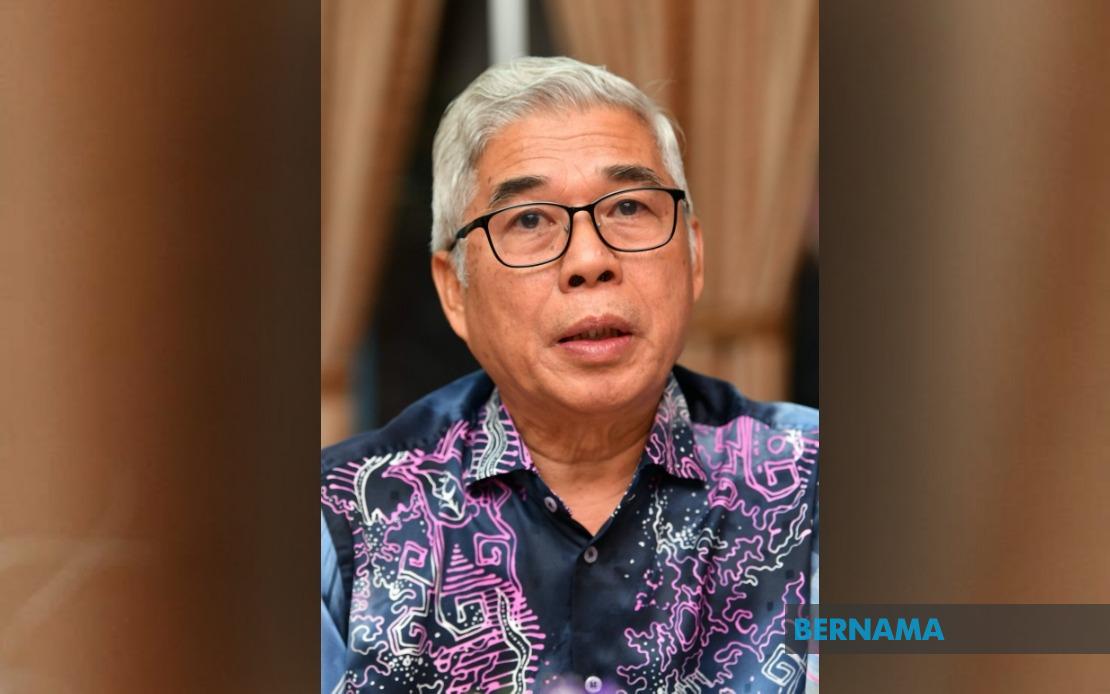
Pasir Gudang Member of Parliament Hassan Abdul Karim has cautioned the MADANI administration against scheduling the 16th General Election prematurely, advocating instead that the government be permitted to serve out its complete mandate so that its policy framework can demonstrate tangible outcomes for ordinary Malaysians.
In a statement released on Friday, Hassan suggested that Prime Minister Datuk Seri Anwar Ibrahim should resist pressure to dissolve Parliament hastily in reaction to PKR's disappointing showings in recent state-level contests. The timing of such elections, Hassan argued, ought to be determined by substantive governance achievements rather than fluctuating electoral sentiment or internal party anxieties. His remarks came amid broader discussions within ruling coalition circles about the optimal moment for triggering the next national polls.
Hassan framed his argument around PKR's need for introspection and strategic recalibration following mixed results in Sabah, Johor, and Negeri Sembilan. Rather than viewing these contests as catalysts for immediate action at the federal level, he positioned them as learning opportunities that should inform the party's preparation for the eventual campaign. The MP emphasised that rushing to the ballot box during a period of internal uncertainty could amplify existing weaknesses rather than reset the coalition's trajectory.
The Pasir Gudang legislator urged PKR members and supporters to resist despondency, characterising the present phase as a necessary consolidation period. He called on the government to channel the next 12 to 18 months into tangible economic strengthening—particularly through attracting foreign direct investment and rebuilding public confidence in the administration's competence. This timeline would position Malaysia's economic recovery as a centrepiece of the eventual election narrative, allowing voters to assess material improvements in living standards and business dynamism.
Hassan's reasoning hinges on a compelling observation about Malaysian electoral politics: economic perception shapes electoral outcomes more durably than does short-term sentiment. By allowing the government to function until late 2027 or early 2028—the natural endpoint of the current parliamentary term—policymakers would have sufficient runway to demonstrate whether their economic agenda delivers jobs, currency stability, and investment flows. Premature polling triggered by momentary setbacks risks squandering this window and fighting the election on defensive rather than positive terrain.
The constitutional framework permits parliament to sit until late 2027 at the earliest, meaning any call for GE16 beforehand would represent an early dissolution. Hassan's advocacy for using the full permitted timeframe reflects a calculation that patience serves the coalition's electoral interests more effectively than reactive haste. This perspective contradicts suggestions from some quarters that immediate elections might capitalise on incumbent advantage or reset factional dynamics within Pakatan Harapan.
Hassan's intervention also carries implications for intra-coalition management. Dissolution timing often reflects bargaining among PKR, DAP, and Amanah over seat allocations, campaign positioning, and portfolio distribution. His explicit call for deliberation over haste suggests concern that premature polling could crystallise divisions rather than heal them. The next year to eighteen months offer space for alliance building and unified messaging that hasty dissolution might foreclose.
The broader context involves mounting questions about whether the MADANI agenda has gained sufficient traction with voters. Measures including targeted inflation relief, digital infrastructure investment, and efforts to ease the cost of living remain works in progress. Hassan's argument essentially holds that these initiatives require time to produce visible household benefit, and that electoral campaigns fought before such benefits materialise risk appearing disconnected from lived experience. Conversely, elections held after economic indicators improve could present a government with momentum rather than defensiveness.
For Malaysian political observers, Hassan's intervention reflects a maturing understanding of how coalition stability serves long-term electoral prospects. By publicly counselling patience rather than opportunism, a senior PKR figure simultaneously reassures coalition partners, signals confidence in government performance, and shapes expectations about the election timeline. This rhetorical positioning may itself influence when actual dissolution occurs, as party leadership weighs the political costs of appearing to contradict the patience narrative.
The Pasir Gudang MP's appeal to PKR resilience—invoking the party's identity as a reform movement capable of enduring setbacks—carries particular weight given his grassroots standing. His framing of recent losses as temporary rather than strategic suggests that party organisation and policy delivery matter more than electoral cycles in determining long-term political fortunes. This messaging could stabilise party morale and volunteer commitment during a period when external events might otherwise depress internal energy.
Looking forward, Hassan's case for governmental completion of its full term potentially reshapes how subsequent policy announcements and economic data releases will be interpreted. If government performance visibly strengthens over the next months, his counsel will have proven prescient; if problems mount, his intervention will be remembered as a lost opportunity. Either way, his intervention establishes a public benchmark against which both the coalition's economic performance and eventual election timing will be measured by Malaysian voters and analysts alike.

