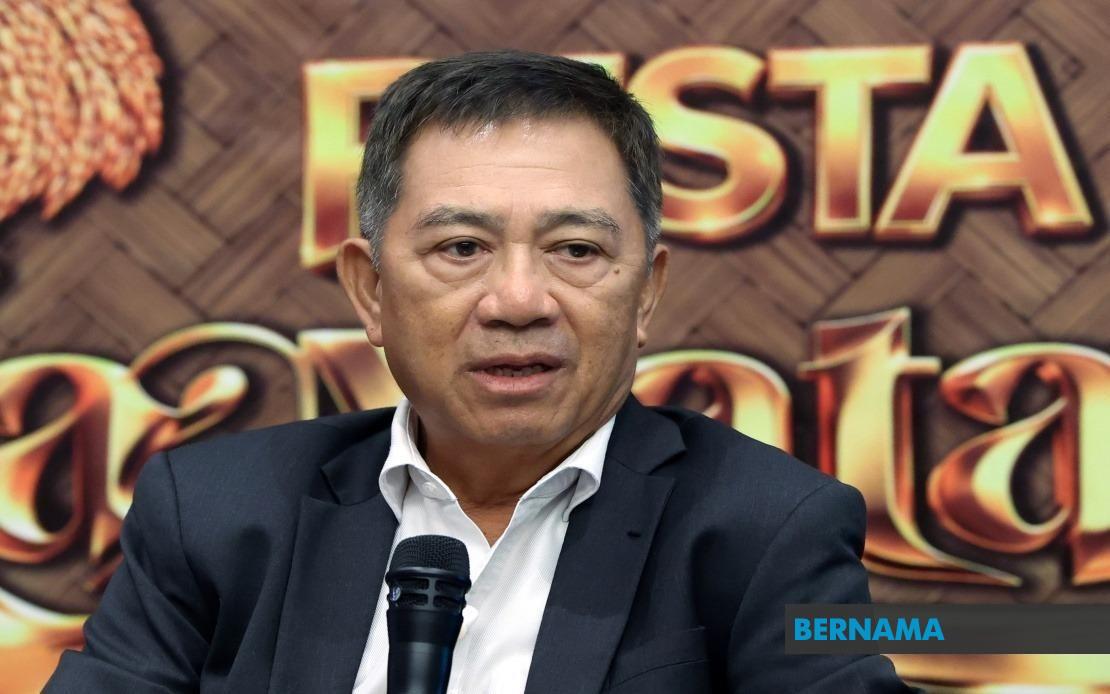
Datuk Seri Dr Joachim Gunsalam, Sabah's Deputy Chief Minister I, has secured the presidency of the Parti Bersatu Sabah for the 2026-2029 term without facing any opposition. The Kota Kinabalu-based party made the announcement following the close of its nomination period on July 31, confirming that Dr Joachim was the sole candidate to meet the party's constitutional requirements for the top leadership position.
According to PBS secretary-general Datuk Julita Mojungki, the party's election framework stipulates that candidates must receive a minimum of three nominations to qualify for contested positions. Dr Joachim's unopposed victory streamlines the leadership transition and signals broad internal consensus around his continued stewardship of the state's second-largest ruling coalition partner. The election process reflects the party's structured approach to succession planning during a period when Sabah politics remains fluid following recent electoral redistributions and coalition adjustments.
Two of the party's three deputy president positions were also decided without contest. Datuk Joniston Bangkuai, who holds the position of Assistant Chief Minister, was elected unopposed to the deputy president post reserved for non-Muslim Bumiputeras. Similarly, Datuk Ruslan Muharram, an Assistant Minister responsible for Agriculture, Fisheries and Food Industry portfolios, ran unopposed for the deputy president seat allocated to Muslim Bumiputeras. These dual unopposed victories at the second tier of party hierarchy suggest considerable organizational stability within PBS's internal structures.
The race for the third deputy president position, designated for the Chinese community quota, proved more competitive. Two candidates emerged as eligible contenders: Datuk Lo Su Fui, a Deputy Minister in the Prime Minister's Department who represents federal interests within the party, and Goon Thien Shang, a PBS Supreme Council member with established party credentials. This contest underscores the continuing importance of Chinese representation in PBS's power-sharing arrangements, a demographic consideration critical to Sabah's multiethnic political landscape.
The competition intensifies at the vice-presidential level, where the party allocated multiple seats across its three ethnic quota categories. Three candidates are competing for the two non-Muslim Bumiputera vice-president positions, while six aspirants seek the two Muslim Bumiputera quota seats. The Chinese quota race for a single vice-president position attracted five candidates, indicating robust interest in mid-tier leadership roles. These contested races suggest emerging talent within the party structure and potential generational transitions in party stewardship.
The Supreme Council races represent the broadest competitive arena within this election cycle. A total of 66 candidates are vying for 16 Supreme Council seats distributed across the party's three ethnic categories: 28 candidates competing for non-Muslim Bumiputera positions, 23 seeking Muslim Bumiputera seats, and 15 contesting Chinese quota allocations. This distribution reflects PBS's commitment to maintaining ethnic balance within its decision-making apparatus, a necessity in Sabah's multicultural political environment where coalition stability depends on equitable representation.
Remarkably, PBS received a record 79 nominations across all contested positions by the nomination deadline, surpassing previous election cycles. According to Datuk Julita's statement, more than half of all candidates represent fresh faces within party contests, signaling generational renewal and expanded participation. This influx of new contenders suggests either growing party membership engagement or deliberate efforts to broaden the leadership pipeline beyond established factions. The elevated nomination count may also reflect heightened internal competition prompted by the transition period and shifting state-level political dynamics.
The nomination surge carries implications for PBS's organizational vitality and factional equilibrium. For Malaysian observers and neighboring Southeast Asian political analysts, the party's expanded candidate pool demonstrates that even established coalition partners can maintain internal dynamism. Conversely, the record participation may also indicate unresolved tensions within certain sections of the party that are seeking greater representation in upcoming leadership hierarchies. The percentage of newcomers is particularly significant, as it could reshape policy priorities or regional influence within Sabah's governance structures.
Sabah's political context renders PBS elections consequential beyond party administration. As a pivotal component of the state's ruling coalition, PBS leadership decisions influence resource allocation, development priorities, and federal-state policy coordination. Dr Joachim's unopposed elevation consolidates his position ahead of what analysts expect to be intensely contested state elections within the next electoral cycle. His secure mandate provides organizational continuity, though the robust competition at subordinate levels may signal emerging ambitions that require careful management to maintain coalition cohesion.
The timing of this election also intersects with broader Malaysian political realignments. National coalition politics have demonstrated fluidity in recent years, with Sabah and Sarawak playing increasingly influential roles in federal arrangements. PBS's internal elections therefore command attention from observers tracking state-level influence and coalition durability. The party's decision to hold comprehensive elections despite Dr Joachim's unopposed presidency reflects commitment to democratic processes within organizational structures, even where outcomes appear predetermined at the apex.
The party will formalize all election results during its national congress scheduled for September. This interval allows for campaign activities across contested positions and provides candidates time to build support among voting delegates. The September congress will offer detailed insight into the composition of PBS's renewed leadership structure and may reveal patterns of factional consolidation or dispersal. For Sabah's political community, these results will shape the party's strategic direction and its capacity to maintain coalition relevance in anticipated electoral challenges ahead.

