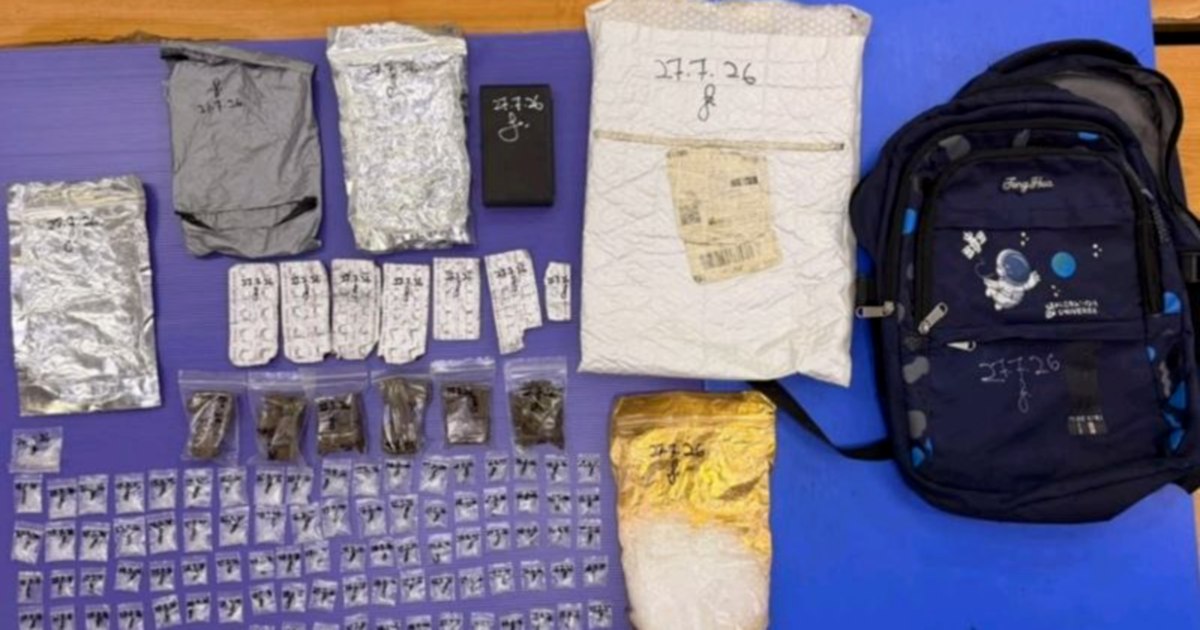
Police in Bera have dealt a significant blow to drug trafficking operations in the district following the arrest of a suspected dealer and the recovery of substantial amounts of cash and narcotics. The enforcement action, which unfolded across two stages, underscores ongoing efforts by law enforcement to dismantle supply networks operating in rural Pahang communities.
The initial apprehension occurred when officers moved on intelligence suggesting drug-related activities in the Felda Tembangau settlement. During the arrest, police discovered and seized narcotics valued at RM21,500, indicating the suspect's involvement in commercial-scale distribution rather than simple possession for personal use. This threshold amount is significant under Malaysia's dangerous drugs legislation, which distinguishes between trafficking and consumption offences.
What elevated the operation's impact was the subsequent search warrant executed at the suspect's residential property. The follow-up raid proved remarkably productive, with officers uncovering nearly RM100,000 in cash. The presence of such substantial currency alongside drug inventory typically signals the proceeds of ongoing trafficking operations, and the amount recovered suggests a relatively established distribution network with consistent customer demand.
The Felda scheme settlements in Pahang have historically presented law enforcement challenges due to their geographic isolation and the socioeconomic circumstances of residents. These Federal Land Development Authority communities, originally established to resettle rural populations, occasionally become inadvertent hotspots for illicit activity due to limited economic opportunities and monitoring infrastructure. The Tembangau settlement's remote location makes it a potential transit point or storage facility for traffickers moving product through Peninsular Malaysia's interior.
For Malaysian law enforcement agencies, the seizure represents a tangible disruption to trafficking operations. The simultaneous recovery of both drugs and cash prevents immediate reinvestment of profits into fresh stock, effectively creating a double impact on the supply chain. Officers can leverage financial tracking to identify associates and higher-level suppliers, as cash flows often reveal organisational hierarchies within drug networks.
The operation occurs within Pahang's broader context of escalating drug enforcement activity. The state has experienced recurring challenges with both production and distribution of illegal substances, from traditional heroin trafficking along established corridors to newer synthetic drug manufacturing. Bera district, sitting along key transport routes connecting the interior to coastal areas, holds strategic importance in regional trafficking patterns.
From a financial crime perspective, the RM100,000 discovery raises questions about asset laundering and unexplained wealth. Malaysian authorities increasingly scrutinise large cash holdings through the Financial Intelligence Unit and anti-money laundering frameworks. The suspect's inability to credibly explain the cash source may trigger parallel investigations beyond the drug charges themselves, potentially exposing broader financial crimes.
The case underscores police operational effectiveness when intelligence-driven enforcement combines immediate arrests with follow-up searches. The timing and execution prevented the suspect from accessing the cash to mount legal defences or transfer assets to associates. For other potential traffickers observing enforcement patterns, such operations demonstrate that rural locations offer no sanctuary from detection.
Malaysian drug policy continues emphasising supply reduction alongside rehabilitation initiatives. While arrests and seizures address trafficking networks, public health responses target demand reduction. The scale of this operation, however, confirms that interdicting significant drug inventories and disrupting cash flows remains central to law enforcement strategy, particularly where trafficking poses community health risks.
The suspect remains in custody pending investigation and potential prosecution under the Dangerous Drugs Act 1952. If convicted of trafficking—a determination often resting on quantity thresholds and possession circumstances—the individual faces mandatory minimum sentences including lengthy imprisonment. Malaysian courts regard trafficking as among the most serious drug offences, reflecting the harm such operations cause.
For Southeast Asian readers, the enforcement action reflects wider regional efforts combating transnational drug flows. Malaysia's position as a major transit country means domestic operations often connect to international trafficking networks. National successes in disrupting distribution infrastructure contribute to broader regional security objectives, particularly as neighbours including Thailand and Cambodia intensify their own enforcement.
This operation also highlights institutional capacity building within Malaysian police forces. Specialist drug units employing intelligence analysis, surveillance, and coordinated multi-stage operations demonstrate professional advancement in law enforcement. Such sophistication proves essential as traffickers employ increasingly complex methods to obscure supply chains and conceal proceeds.
Looking forward, authorities will examine whether the arrested individual connects to larger syndicate structures. Interrogation may reveal supplier networks, customer bases, and logistical methods. Financial analysis of the recovered cash could identify banking relationships or money laundering pathways. Such intelligence feeds into broader enforcement strategies targeting organised trafficking groups rather than isolated operators.

