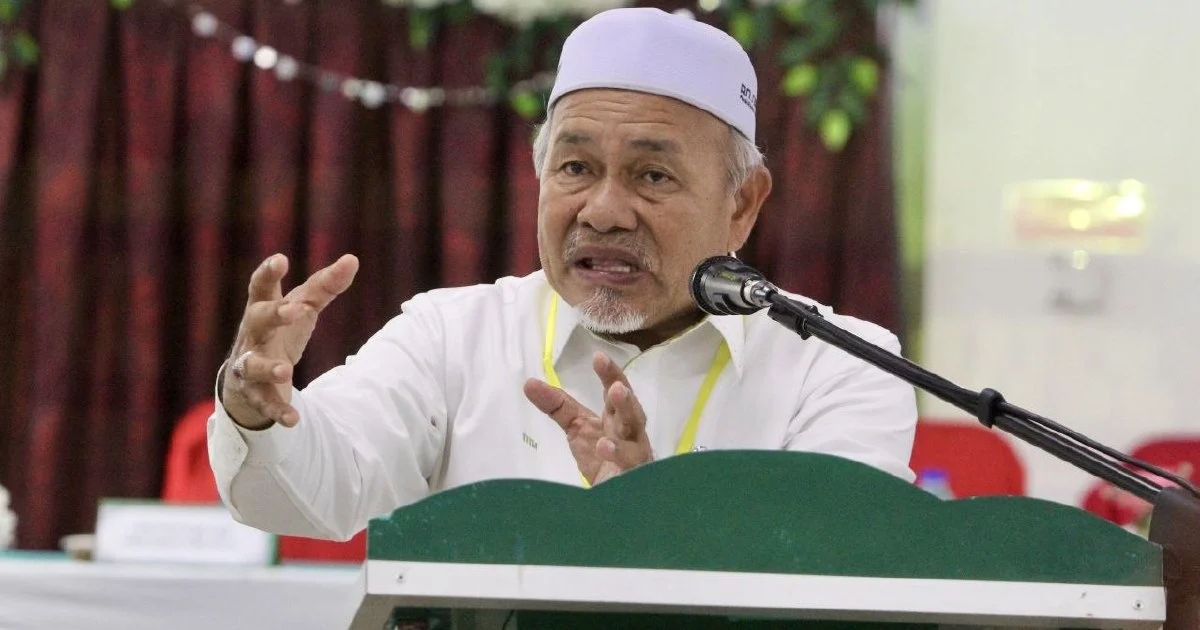
The prospect of Malaysia holding a general election ahead of schedule appears to have dimmed considerably following Barisan Nasional's commanding performance in the Johor state elections, according to Pas deputy president Datuk Seri Tuan Ibrahim Tuan Man. The assessment suggests that Prime Minister Datuk Seri Anwar Ibrahim's administration has little incentive to rush to the polls, particularly after the governing coalition demonstrated significant voter support in one of the nation's most politically consequential states.
Tuan Ibrahim's observations carry weight in Malaysian political circles, as PAS remains a crucial component of the current ruling coalition. The party's participation in the government means its leadership regularly gauges the political climate and provides counsel on strategic decisions affecting the administration's stability and electoral prospects. His remarks therefore offer a window into coalition thinking regarding the timing of the next general election, which is not constitutionally due until 2026.
Barisan Nasional's victory in the Johor state election represented a significant milestone for the coalition, which had struggled to maintain voter confidence following the 1MDB scandal and subsequent political instability that marked the late 2010s. The state's large electorate and its historical importance as a political bellwether made the result particularly meaningful. A strong showing in Johor typically signals broader support across the Malay-Muslim heartland, which comprises a substantial portion of Malaysia's voting population.
The dynamics at play reflect a broader calculation in Malaysian politics: governments generally prefer to call elections when momentum and public sentiment appear favourable. With Barisan Nasional demonstrating renewed electoral strength, the coalition may feel emboldened to wait for an optimal moment rather than risk a snap poll that could alter the balance of power in parliament. The current composition of the Dewan Rakyat provides the administration with a working majority, a situation that reduces the urgency to seek a fresh mandate.
Anwar Ibrahim's coalition government, which took office following the 2022 general election, has navigated complex negotiations to maintain parliamentary support. The inclusion of PAS, a traditionally opposition party that joined the government, alongside other Malay-Muslim parties, created a working arrangement that some observers considered fragile. However, successive state election victories have provided the coalition with renewed legitimacy and demonstrated that voters continue to support its direction, at least in key electoral tests.
For PAS specifically, the electoral trajectory matters significantly. The party had operated in opposition for extended periods before rejoining the government fold, making it sensitive to both coalition stability and electoral viability. Tuan Ibrahim's comments suggest that PAS leadership views the Johor result as validating the party's decision to support the current administration. A poorly-timed general election could jeopardise the coalition's advantage, whereas waiting allows more time for policy implementations to take effect and for public opinion to potentially shift further in their favour.
The question of general election timing has occupied considerable attention within Malaysian political establishments and among international observers. The 2022 election had already taken place relatively recently, and calling another general election within a short timeframe would be unusual in Malaysian politics. Most administrations seek to govern for a full term when circumstances allow, particularly when they command sufficient parliamentary numbers to pass legislation and maintain administrative continuity.
Malaysia's electoral calendar typically sees general elections held at roughly five-year intervals, though early dissolution remains constitutionally possible. The government's ability to dissolve parliament and call elections represents one of the executive's most significant powers, yet it carries substantial political risk. A decision to seek an early mandate signals either confidence in the electorate's continued support or anxiety about declining support. The perception matters as much as the reality, influencing investor sentiment, business planning, and broader economic stability.
Regional economic considerations also factor into electoral timing decisions. Malaysia's economy operates within the broader Southeast Asian context, and political uncertainty can affect foreign investment flows, currency stability, and consumer confidence. Governments generally prefer to avoid elections during periods of economic adjustment or uncertainty, instead choosing moments when economic data appears positive and public sentiment regarding management of the economy remains relatively stable.
The PAS deputy president's assessment also reflects the coalition's confidence in retaining support across different state and federal elections. Having demonstrated electoral strength in Johor, the administration may feel positioned to consolidate gains and execute its policy agenda rather than risk that mandate through an immediate election. Successive electoral contests in different states and at the federal level provide the coalition with ongoing opportunities to test voter sentiment without triggering a full-scale general election.
Looking forward, the timing of the next general election will depend on multiple variables including economic performance, public sentiment on key policy issues, and potential internal coalition dynamics. Tuan Ibrahim's comments suggest that current coalition calculations favour maintaining the status quo and allowing the administration to continue governing under the existing parliamentary configuration. For Malaysian voters and political observers, this assessment indicates that GE16 will likely proceed according to constitutional requirements rather than through an early dissolution initiated by an increasingly confident government.

