Education Minister Fadhlina Sidek has urged the public to exercise restraint and compassion toward the family of a 16-year-old girl who passed away at a school in Negeri Sembilan on June 19, emphasising the need to allow grieving relatives their dignity during this profoundly difficult period. The tragic incident has prompted immediate intervention from the ministry, which is working in tandem with law enforcement authorities to establish the circumstances surrounding the student's death. Fadhlina's public appeal reflects growing sensitivity in Malaysia around media handling and social media coverage of youth deaths, particularly in educational settings where the surrounding community can amplify speculation and compound family distress.
In a statement posted to social media, the minister extended her condolences while requesting that citizens respect the family's privacy as the formal investigation proceeds. She framed the moment through a spiritual lens, offering prayers that the deceased's soul finds peace and that her family receives fortitude to endure their loss. This language underscores how such incidents are frequently processed through both institutional and religious frameworks in Malaysia, acknowledging the primarily Muslim demographic while addressing a universal human tragedy. The explicit call for space suggests an understanding that unfiltered public commentary—particularly on digital platforms—can intensify trauma for those already grieving.
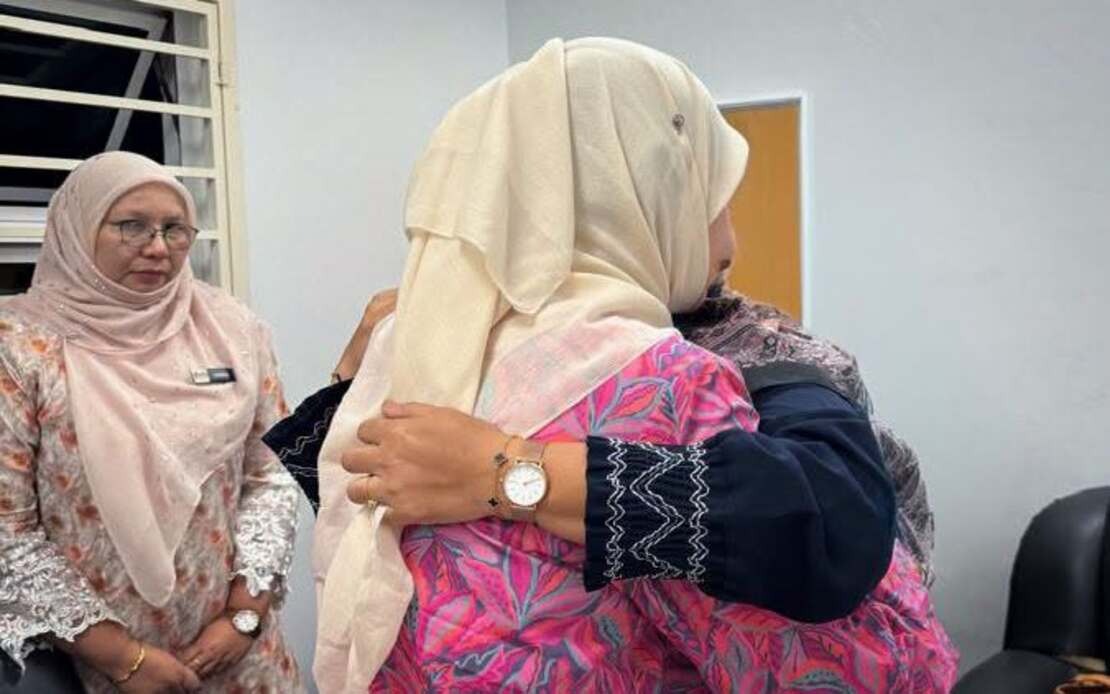
Fadhlina and Education Director-General Datuk Dr Mohd Azam Ahmad made a compassionate gesture by visiting the student's family at Rembau Hospital to provide direct support. This personal engagement by senior officials signals that the Ministry of Education treats such incidents with the utmost gravity and is committed to hands-on involvement rather than merely issuing procedural statements. The hospital visit also serves a practical purpose, as it allows the ministry to understand the family's immediate needs and coordinate assistance—whether counselling, administrative support, or other services—that might ease their burden during the crisis.
The ministry has committed to extending full cooperation to the police investigation, positioning education authorities as collaborative partners in determining what led to the student's death. In Malaysia's governance structure, such cooperation between ministries and enforcement agencies is standard protocol, yet publicly emphasising it reassures the public that no institutional silos will prevent a thorough examination of the facts. Police investigations into student deaths typically examine multiple dimensions: whether there were health factors, environmental hazards at the school, potential bullying, or other circumstances that contributed to the tragedy. The involvement of both education and law enforcement ensures that procedural and safety angles are both addressed.
For Malaysian schools and their administrators, incidents such as this raise urgent questions about duty of care, emergency response protocols, and pastoral support systems. While the specific circumstances of this case remain under investigation, the broader context suggests that institutions nationwide should reflect on their capacities to identify students in distress and intervene early. The Ministry of Education's rapid official response and emphasis on family support signals an expectation that schools will adopt similarly compassionate and responsive approaches when crises occur.
The appeal for public restraint is particularly relevant in an era of rapid information spread through social media, where unverified accounts and speculation can circulate widely within hours. In Malaysia, where online communities discussing schools, neighbourhoods, and public institutions are active and influential, misinformation or sensationalised coverage can harm the family's healing process and potentially damage the school's reputation unfairly. Fadhlina's message implicitly recognises that protecting the family's privacy is not merely a matter of courtesy but a necessary safeguard against the amplifying effects of digital discourse.
The death of a young person in a school environment inevitably prompts questions about school safety, student mental health support, and whether warning signs were missed. These are legitimate concerns that deserve thorough examination once the immediate crisis has passed and the family has had space to grieve. However, Fadhlina's statement draws a boundary between that necessary future accountability and the present moment, when compassion and respect should take precedence over public debate.
Regionally, Malaysia is not alone in grappling with student deaths and the accompanying challenges of institutional accountability, family privacy, and public information. Southeast Asian education systems increasingly face scrutiny around mental health services, bullying prevention, and emergency protocols. How Malaysia handles this case—both in terms of the investigation's transparency and the protection of the grieving family—may set precedent for how similar incidents are managed going forward.
The ministry's emphasis on providing assistance to all affected parties reflects recognition that such tragedies extend beyond the immediate family. Teachers, classmates, and school staff often experience secondary trauma and require support services to process what has occurred. Comprehensive institutional response requires attention to these broader impacts while maintaining appropriate boundaries around the family's privacy and the ongoing investigation.
As the police investigation progresses, the public will likely expect eventual clarity about the circumstances of the student's death. However, Fadhlina's immediate call for restraint establishes an important principle: that the family's right to grieve without intrusion supersedes the public's immediate curiosity. This framing places human dignity at the centre of crisis response, a standard that institutions across Malaysia should aspire to emulate.

