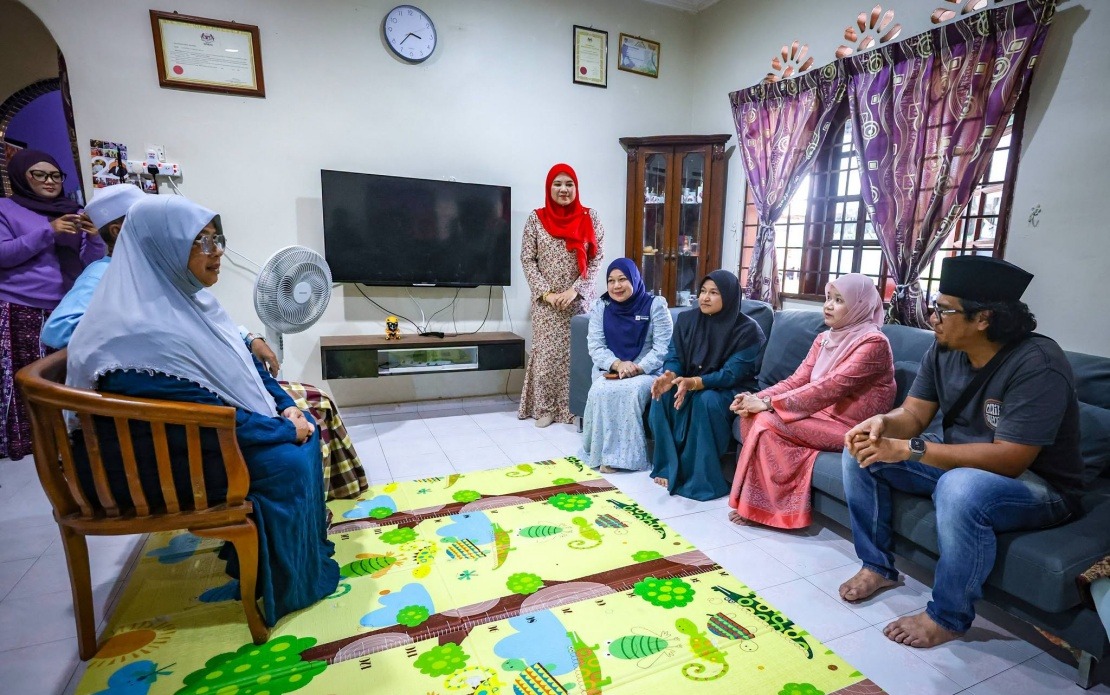
Education Minister Fadhlina Sidek travelled to Melaka on Wednesday to express her condolences to the family of Muhammad Raiyan Nufael, a Form Two student who suffered a fatal collapse during a rugby training session. The tragedy occurred at a school in Telok Mas, with the teenager losing consciousness around 6 pm following what witnesses described as a sudden onset of breathing difficulties. The minister's personal visit underscores the gravity with which the Ministry of Education is treating the incident, with her Facebook announcement of the bereavement visit reflecting official acknowledgement of the loss.
The circumstances surrounding Muhammad Raiyan's death paint a concerning picture of how quickly a training environment can turn critical. According to accounts from the scene, the teenager had participated in less than a quarter-hour of the rugby session before the incident occurred. After taking a scheduled break, he was positioned to listen to instructional remarks from the coaching staff when he suddenly began experiencing respiratory distress. The rapid deterioration from apparent health to medical emergency raises important questions about supervision protocols and the readiness of schools to respond to sudden medical crises during athletic activities.
Fadhlina's statement offered prayers for the deceased student, invoking blessings upon his soul whilst extending encouragement to his bereaved parents as they navigate their grief. Her words, shared through the ministry's social media channels, sought to frame the tragedy within a spiritual context while simultaneously positioning the government as an institution standing alongside the family during their darkest hours. This approach reflects the customary manner in which Malaysian public officials address sudden student deaths, balancing respect for religious sentiment with institutional responsibility.
The death of a teenager during school-supervised activity inevitably triggers scrutiny of safety measures and training protocols across Malaysia's educational ecosystem. Rugby, whilst increasingly popular in Malaysian secondary schools, remains a contact sport with inherent physical risks. The speed with which this student's condition deteriorated suggests that either existing safeguards proved insufficient or that medical complications arose unpredictably despite proper precautions being in place. Schools nationwide will likely review their emergency response procedures and athlete health screening processes in light of this tragedy.
Questions surrounding the student's prior medical history and any underlying health vulnerabilities remain central to understanding how such a young person could succumb so rapidly during relatively light training. Medical investigations following unexpected deaths in athletic contexts typically examine factors including undiagnosed cardiac conditions, heat-related illness, electrolyte imbalances, and exercise-induced complications. Parents of student-athletes across the country may now seek more comprehensive pre-participation health evaluations for their children engaged in contact or strenuous sports.
The incident adds to a growing body of concerns regarding student welfare in Malaysian schools, particularly in extracurricular programmes that push physical boundaries. While sports and outdoor training form essential components of well-rounded education, institutions face mounting pressure to demonstrate that they have implemented robust monitoring systems and emergency protocols. The presence of first aid-trained personnel, accessible defibrillators, and clear communication chains with emergency medical services have become non-negotiable expectations rather than optional enhancements.
For the educational community in Melaka and beyond, this tragedy represents a sobering reminder of mortality's randomness and the importance of preparedness. Teachers and coaches may find themselves grappling with both guilt over circumstances beyond their control and determination to prevent similar occurrences. Professional development programmes addressing emergency medical response, recognising warning signs of distress, and creating psychologically safe environments for reporting health concerns have become increasingly crucial investments.
The Ministry of Education's response through Fadhlina's visit signals that the government views student safety as a priority worthy of ministerial attention. However, translating such symbolic gestures into systemic improvements requires sustained commitment and resource allocation. Policy frameworks governing sports programmes, mandatory training for coaches and supervisors, and transparent accident reporting systems must evolve to reflect the lessons learned from tragedies such as Muhammad Raiyan's death.
As news of the student's passing spreads throughout Malaysian schools, parents will inevitably reassess the risks they permit their children to undertake in the name of character development and fitness. The balance between encouraging healthy, active lifestyles and protecting young people from preventable harm remains delicate. Educational institutions must earn and continuously maintain parental trust through demonstrated competence in safeguarding measures and transparent communication about both the benefits and risks of their programmes.

