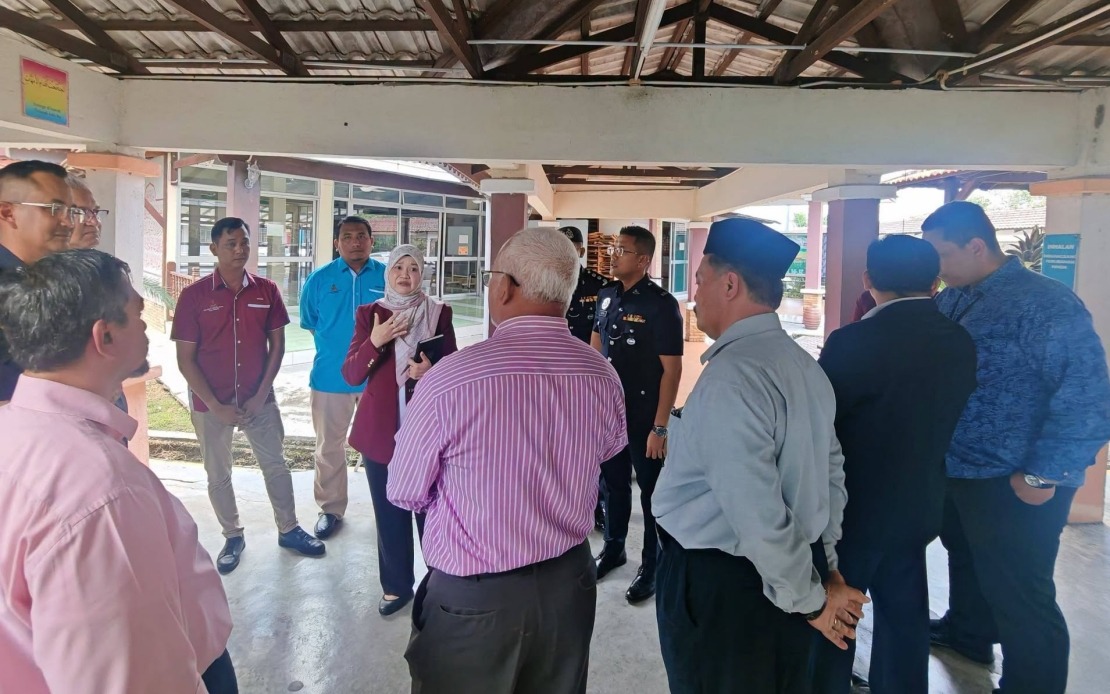
Education Minister Fadhlina Sidek made an immediate visit to a secondary school in Banting, Kuala Langat, on Saturday to assess the situation following a stabbing incident that left a Form Three student injured. The minister arrived at the school at 1.20 pm to consult directly with school management and gather comprehensive details about the morning's events, signalling the government's swift response to what represents a serious breach of school safety.
The incident unfolded when a female secondary school student was stabbed by another female student using a knife. Police received an alert about the incident at 9.50 am, and Kuala Langat district police chief Supt Mohd Akmalrizal Radzi confirmed that officers responded promptly to secure the scene. The suspect was taken into police custody immediately, with authorities launching an investigation into the circumstances that precipitated the attack.
According to medical reports, the victim sustained injuries from the stabbing but remains in stable condition and is receiving treatment at Banting Hospital. The student's swift admission to medical care appears to have prevented more severe complications. The police investigation is ongoing as officers work to establish the motive behind the violent confrontation and whether any prior disputes existed between the two students.
Fadhlina's public statement emphasised that authorities are prioritising the victim's medical recovery alongside broader psychosocial support for the school community. She highlighted that the Royal Malaysia Police have taken control of the situation and that providing counselling and emotional assistance to traumatised students and staff members is critical during this period. The minister's response reflected growing concern about violence within educational institutions and the need for comprehensive support systems beyond immediate security interventions.
The minister appealed to the public to avoid spreading unverified information or speculation about the incident while police investigations remain active. Such calls reflect a recognition that sensationalised accounts or fabricated details can exacerbate community anxiety and undermine official investigations. Fadhlina assured stakeholders that further updates would be released through proper channels once authorities have cleared them for public disclosure, maintaining a controlled information flow.
V. Paparaidu, the Selangor Human Resources and Poverty Eradication Committee chairman and Banting assemblyman, commended the State Education Department's rapid mobilisation of counselling services for the victim, her family, and affected students and teachers. His statement underscored the importance of holistic support that extends beyond the immediate victim to encompass the broader school community, many of whom witnessed or heard about the traumatic event.
Pararaidu's remarks shifted focus toward structural security deficiencies, arguing that schools cannot compromise on the safety of children under their care. He called for security personnel to remain vigilant and constantly monitor the movement of individuals entering and leaving the school premises, particularly during critical transition periods when students arrive in the morning or depart in the afternoon. The assemblyman suggested that current security protocols may be inadequate to prevent unauthorised access to school grounds.
The call for enhanced security measures reflects a broader Malaysian educational concern: the tension between maintaining open, welcoming school environments and implementing fortress-like restrictions that could create an atmosphere of fear. Strengthening perimeter security and entry gate controls aims to prevent unauthorised individuals from accessing school grounds, yet such measures must balance protection with ensuring schools remain accessible to legitimate visitors, parents, and emergency services.
This incident raises uncomfortable questions about interpersonal violence among teenagers and the underlying triggers that escalate disputes between students into physical confrontations. Whether the stabbing resulted from a longstanding grudge, an impulsive reaction to provocation, or other factors remains subject to ongoing police investigation. School administrators and counsellors will need to address not only the trauma experienced but also any peer conflicts that may have contributed to the violence.
The swift response from both the police force and education ministry demonstrates institutional recognition that such incidents demand immediate, multi-agency coordination. However, this stabbing also underscores the limitations of reactive responses. Schools across Malaysia will likely reassess their violence prevention programmes, peer mediation systems, and mental health support infrastructure to identify whether warning signs of potential violence were missed or unaddressed.
For Malaysian parents, this incident serves as a sobering reminder that schools, despite their presumed safety, remain environments where young people navigate complex social dynamics that occasionally escalate into violence. The incident will likely reignite discussions about whether counselling services in schools are adequately staffed and trained to identify students displaying warning signs of aggressive behaviour or those experiencing acute psychological distress.
Fadhlina's emphasis on providing strength and fortitude to the school community reflects an understanding that recovery from such traumatic events extends across months and years, not days. The psychological impact on witnesses, friends of both the victim and suspect, and staff members requires sustained professional support. Schools must balance returning to normal operations with allowing sufficient time for emotional processing and trauma recovery.
As investigations proceed, the broader implications for school safety policies throughout Selangor and nationally will become apparent. Whether this represents an isolated incident or part of a concerning trend toward violence in schools will inform policy responses. Educational institutions, in collaboration with police and health services, must develop integrated approaches that address security, mental health, conflict resolution, and social-emotional learning simultaneously.

