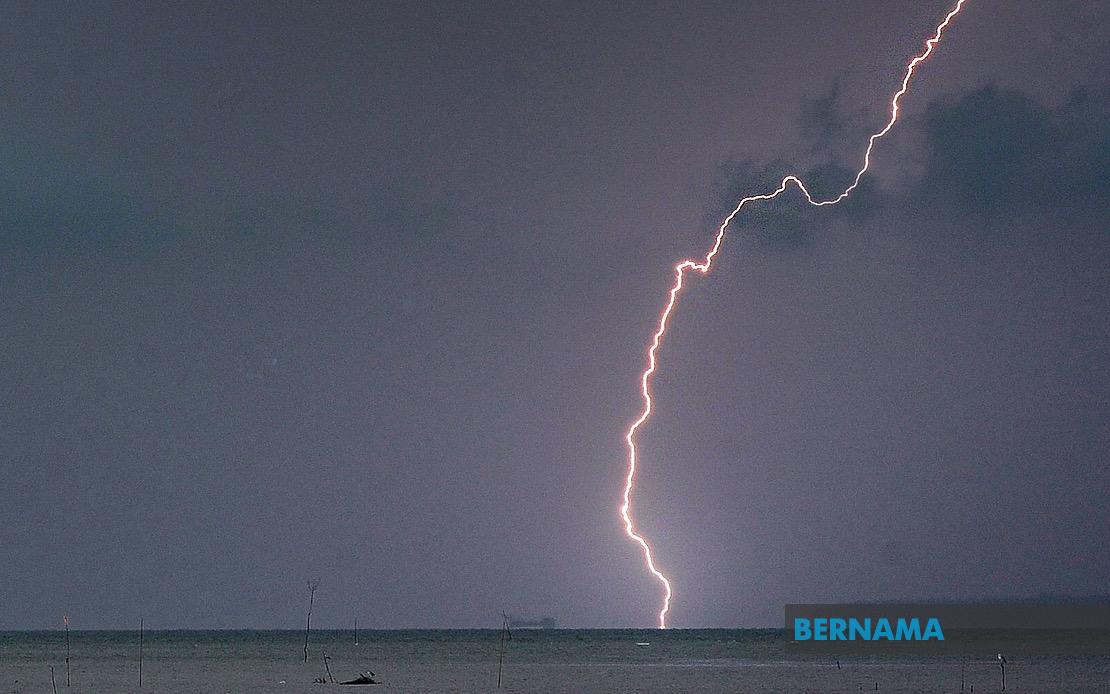
The Malaysian Meteorological Department has activated severe weather warnings across a significant swathe of the peninsula, cautioning residents in eight states to prepare for potentially hazardous conditions through 7 pm today. The alert encompasses thunderstorms, intense rainfall and dangerous wind gusts, reflecting the unpredictable monsoon patterns that characterise Malaysia's tropical climate during mid-year months.
Northern states bear the brunt of the forecasted disturbance. In Kedah, the warning applies to the districts of Sik, Baling, Kulim and Bandar Baharu, areas that frequently experience flash flooding during heavy precipitation events. Across the border in Perak, five districts fall under the alert zone: Larut, Matang dan Selama, Hulu Perak, Kuala Kangsar and Kinta. These regions, particularly the highland areas surrounding Ipoh and the rural northern sections, face elevated risk of localized flooding in low-lying zones and disrupted transportation links.
The east coast shoulder significant exposure to the incoming weather system. In Kelantan, seven municipalities have been flagged: Tumpat, Pasir Mas, Kota Bharu, Tanah Merah, Bachok, Machang and Pasir Puteh. This comprehensive coverage reflects the state's vulnerability to sudden monsoon influences that can produce rapid water accumulation. Neighbouring Terengganu similarly faces threats in four districts—Besut, Setiu, Kuala Nerus and Kuala Terengganu—with coastal and riverside communities potentially experiencing surge effects from heavy precipitation.
Pahang's highland region also enters the warning zone, with Cameron Highlands specifically identified. This popular tourist destination and major agricultural hub can experience slippery conditions and reduced visibility during thunderstorms, creating hazards for the numerous visitors and workers in the area. The highland terrain amplifies rainfall intensity, transforming streams into torrents within minutes.
The alert extends to peninsular Malaysia's western regions as well. Selangor's Hulu Selangor district, situated in the state's interior and comprising both residential areas and agricultural land, has been included in the advisory. Meanwhile in Johor, the southern sultanate sees two districts affected: Mersing and Kota Tinggi, both regions with historical vulnerability to monsoon-induced flooding and infrastructure disruption.
Thunderstorms of this magnitude pose multiple concurrent hazards that Malaysian authorities consistently emphasize during such warnings. The combination of lightning, heavy rainfall and strong winds can disable power supplies, damage structures, strand vehicles on flooded roads, and create dangerous conditions for outdoor activities. Agricultural operations may face setbacks, while transportation networks including highways and rural routes experience reduced capacity and increased accident risks.
The timing of this warning through evening hours means commuters and businesses operating in affected areas must exercise heightened vigilance during peak travel periods. Flash flooding can materialize suddenly in susceptible locations, particularly areas downhill from water collection points or near inadequately maintained drainage systems. Residents in riverside communities and low-lying residential zones face particular exposure.
MetMalaysia's decision to issue coordinated warnings across these eight states reflects the scale and intensity of the meteorological system approaching the peninsula. The department utilizes sophisticated weather modeling to predict such events, enabling authorities to disseminate timely public alerts. However, the highly localized nature of thunderstorms means some areas within warned districts may experience more severe impacts than others, and the timing can shift by hours.
This weather episode underscores the ongoing challenges faced by Malaysian communities and infrastructure managers in adapting to intense precipitation events. Climate variability and the increasing frequency of extreme weather have prompted discussions about enhancing drainage systems, early warning mechanisms, and emergency response protocols. Individual preparedness—including securing loose objects, avoiding unnecessary outdoor exposure, and monitoring official weather updates—remains essential during such alert periods.
Residents in the eight affected states are advised to monitor MetMalaysia's updates closely, as conditions may escalate or extend beyond the current 7 pm deadline. Motorists should exercise caution on affected routes, while outdoor event organizers may need to modify plans. Authorities in each state typically position emergency response teams and coordinate with utility companies to address weather-related disruptions promptly.

