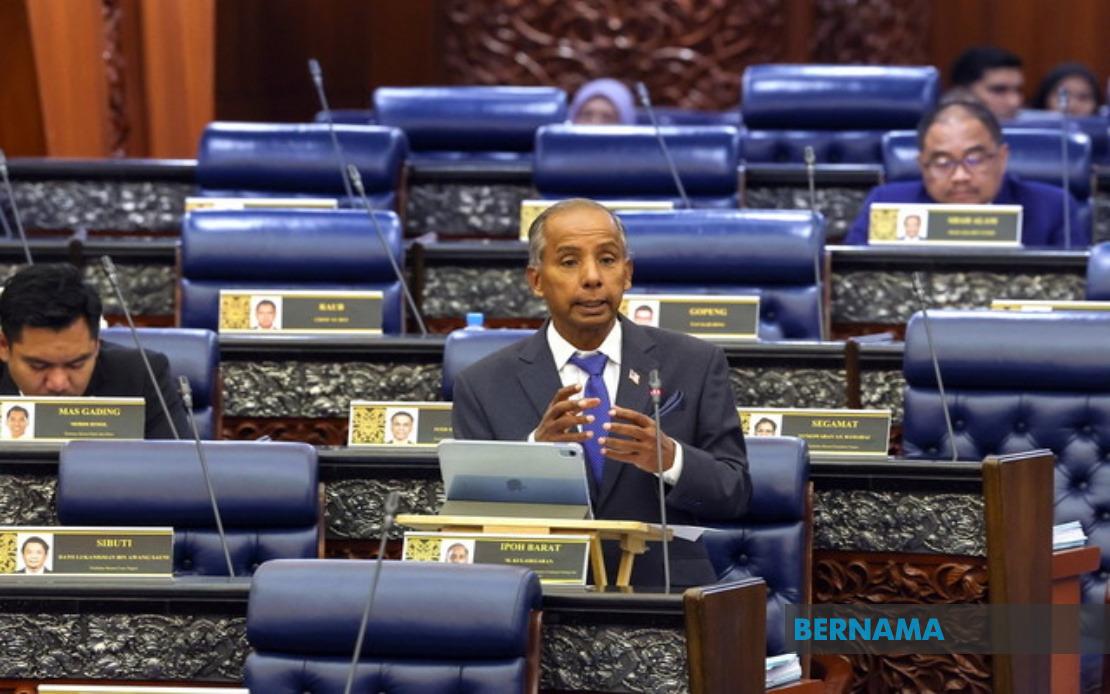
The Election Commission has initiated a comprehensive examination of whether Malaysia should establish a domestic postal voting system accessible to voters throughout Peninsular Malaysia, Sabah and Sarawak. Deputy Minister M. Kulasegaran, speaking in Parliament on July 14, confirmed that the EC is conducting detailed research into the practical and administrative implications of rolling out such a scheme nationally.
The proposed system represents a significant shift in Malaysia's electoral infrastructure, potentially allowing voters to cast ballots by mail rather than appearing at designated polling stations. This development reflects growing global interest in alternative voting methods, particularly as countries seek to improve voter accessibility and accommodate citizens unable to reach polling venues on election day. For Malaysia, where voters are geographically dispersed across the peninsula and two large East Malaysian states, the logistical challenges of implementing such a system are substantial.
Kulasegaran emphasised that before the EC can proceed with any concrete proposals, the commission must engage systematically with all key stakeholders, particularly the country's registered political parties. This consultation phase is critical because electoral reforms fundamentally affect campaign strategies, voter mobilisation methods, and the operational structures that political organisations have built over decades. By involving parties early in the deliberation process, the government appears intent on building broad consensus around whatever framework eventually emerges, potentially reducing post-implementation disputes or claims of unfairness.
The timeline for this study extends into 2025, indicating that the EC views this not as a quick technical adjustment but as a foundational reform requiring careful architectural planning. This extended schedule suggests the commission is examining numerous variables: the legal framework required to validate postal ballots, security measures to prevent fraud or interference, training protocols for electoral officials handling mail-based voting, infrastructure requirements for ballot processing centres, and international best practices applicable to Malaysia's specific context.
Beyond the postal voting review, Kulasegaran revealed that the government is prepared to examine the constitutional position of the Election Commission itself. Currently, the EC operates under the purview of the Prime Minister's Department, an arrangement that has periodically drawn criticism from those who argue that electoral administration should operate with greater institutional independence from executive authority. Moving the EC under Parliament's oversight could theoretically insulate the commission from executive influence and enhance public confidence in its neutrality, though such a restructuring would require constitutional amendment and substantial political consensus.
The deputy minister characterised this proposal as worthy of serious consideration and indicated the government would refer it to relevant authorities for decision-making. This cautious but receptive language suggests the administration recognises the legitimacy of arguments about electoral institutional independence, though no commitment has been made to pursue the change. For Malaysian voters and international observers monitoring the country's democratic institutions, such openness to structural reform represents a potential strengthening of checks and balances.
In separate parliamentary remarks, Kulasegaran addressed concerns that enforcement of existing regulations remains inconsistent, particularly regarding restrictions on mobile phone usage at polling locations. Allegations surfaced that monitoring procedures were inadequate and that voters and officials breaching the prohibition faced insufficient consequences. The deputy minister stated that the Election Commission believes its current control mechanisms are adequate for maintaining ballot secrecy and preventing electoral interference through photography or communication devices.
The government indicated no plans to amend enforcement procedures or to classify mobile phone violations as a specific offence category under the Election Offences Act 1954. This position suggests the EC confidence that existing administrative controls—presumably warnings, confiscation, or removal from polling premises—sufficiently deter violations without requiring new criminal penalties. However, this stance may prove controversial with those who argue that stronger deterrents are necessary to ensure polling station integrity.
The postal voting proposal emerged during questioning from Isnaraissah Munirah Majilis, representing Kota Belud under the WARISAN party banner, who emphasised the urgent necessity of modernising Malaysia's electoral processes. This framing reflects a broader narrative increasingly prominent in Malaysian political discourse: that the country's voting infrastructure and procedures, while functional, have not evolved proportionally with demographic and geographic realities. Younger voters, workers in distant locations, overseas Malaysians, and those with mobility constraints potentially stand to benefit from expanded voting alternatives.
Implementing postal voting would require harmonising procedures across three distinct electoral jurisdictions with different administrative histories and governance structures. Peninsular Malaysia operates under the federal EC, while Sabah and Sarawak maintain some separate electoral administration. Ensuring consistency while respecting regional particularities adds technical complexity to the reform project. The study must therefore address not only technical questions about ballot security and counting procedures, but also questions of federal-state coordination and potential resource disparities.
For Southeast Asia, Malaysia's approach to electoral modernisation carries regional significance. As other nations in the region confront similar questions about balancing accessibility with security, Malaysia's experience developing a postal voting framework could inform approaches adopted elsewhere. The country's multi-ethnic, multi-religious composition and experience conducting elections across diverse geographic and demographic contexts provide relevant lessons for regional peers facing comparable challenges.
The fact that such a substantive electoral reform is being pursued through formal study and stakeholder consultation, rather than through executive decree, reflects Malaysia's parliamentary traditions and the political reality that major electoral changes require broad acceptance to maintain public trust. The timeline extending into 2025 suggests the EC recognises that rushing such a fundamental reform could damage institutional credibility. Malaysian voters, political parties, and regional observers will be monitoring whether this consultative process ultimately produces workable reforms that genuinely enhance democratic participation.

