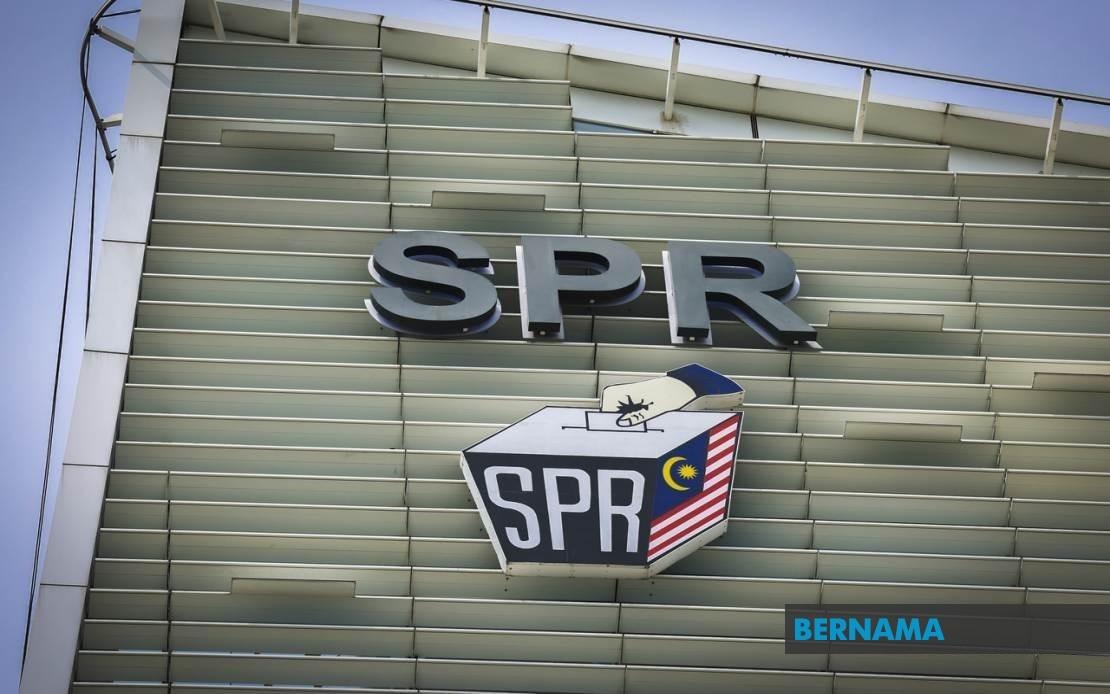
The Election Commission has begun distributing postal ballot papers in preparation for the 16th Negeri Sembilan state election, with 13,263 ballots issued on July 20 to voters unable to cast their votes on polling day. The exercise commenced under strict regulatory oversight to ensure the integrity of the electoral process across the state. The distribution was overseen by EC secretary Datuk Khairul Shahril Idrus and conducted in accordance with established postal voting regulations, marking a critical logistical phase in the electoral cycle.
The postal voting scheme encompasses three distinct categories of eligible voters, each reflecting different circumstances that prevent attendance at polling stations. The largest cohort comprises 12,669 voters issued ballots under Form 1A, a designation covering election officials, Election Commission members and staff, police officers, military personnel, and media practitioners who require flexibility due to their professional commitments on polling day. These individuals represent the administrative and security apparatus supporting the democratic process, alongside journalists covering the election.
A significantly smaller contingent of 343 Malaysian citizens residing overseas qualified for postal voting under Form 1B, reflecting the diaspora dimension of democratic participation. This provision recognises that many Malaysians working or living abroad maintain electoral rights and the desire to influence their home state's governance, though geographical distance prevents physical presence at ballot boxes. The overseas voter category underscores how democratic systems must accommodate mobility and globalisation while maintaining ballot integrity.
The remaining 251 postal ballots issued under Form 1C targeted officers from 11 agencies operating in security and health sectors, acknowledging that personnel in these critical infrastructure roles may face scheduling conflicts or operational constraints that preclude conventional voting. This flexible arrangement balances national security and public health imperatives with democratic rights, recognising that not all state functions can pause for elections.
Election Commission officials emphasised the critical importance of procedural accuracy throughout the postal voting process. Voters receiving postal ballots must complete their ballot papers and simultaneously fill out the Identity Declaration Form, designated as Form 2, with meticulous attention to detail. Any errors or omissions could jeopardise the validity of votes, creating potential disputes during counting. The Commission's emphasis on accuracy reflects lessons from previous elections and the recognised vulnerability of postal voting systems to administrative challenges.
Timing constraints add operational pressure to the postal voting framework. All completed postal ballots must reach the relevant returning officers before the 5 pm deadline on August 1, the official polling day. This window provides voters with substantial time to complete and return their ballots, yet requires careful coordination between voters and returning officers. The deadline ensures postal ballots can be securely transported, verified, and counted alongside votes cast in person, preventing delays in result declaration.
The Election Commission reinforced strict confidentiality requirements to prevent vote-selling and coercion, instructing postal voters to refrain from photographing their ballot papers or sharing images via social media platforms. This digital age concern reflects how technology has transformed electoral vulnerabilities; clandestine ballot photographs could serve as proof of vote in illicit transactions or evidence of voter intimidation. The warning underscores that postal voting, while administratively convenient, introduces surveillance risks absent from the ballot box environment.
The broader electoral contest involves 103 candidates competing for 36 state seats, demonstrating robust political contestation across the peninsula's smallest state. Early voting operations commence on July 28, providing an additional opportunity for specified voter categories to cast ballots before the main polling day. This tiered voting schedule spreads electoral activity across multiple days, reducing congestion at polling stations while accommodating diverse voter circumstances.
Negeri Sembilan's electoral register encompasses 889,490 registered voters as of June 2026, comprising 867,151 general voters, 16,884 military personnel and spouses participating as early voters, and 5,455 police officers similarly classified as early voters. The military and police early voting categories reflect recognition that security sector personnel may face deployment constraints or operational exigencies on polling day, necessitating earlier participation windows. This tiered voter classification system creates administrative complexity but ensures maximum inclusion within security protocols.
The postal voting distribution proceeded transparently, with candidates' representatives from all contesting parties and independent candidates present throughout the process. This multi-party observation establishes procedural credibility and provides political actors the opportunity to identify irregularities or challenge the process. Such transparency, while administratively demanding, strengthens electoral legitimacy by demonstrating commitment to inclusive oversight beyond government control alone.

