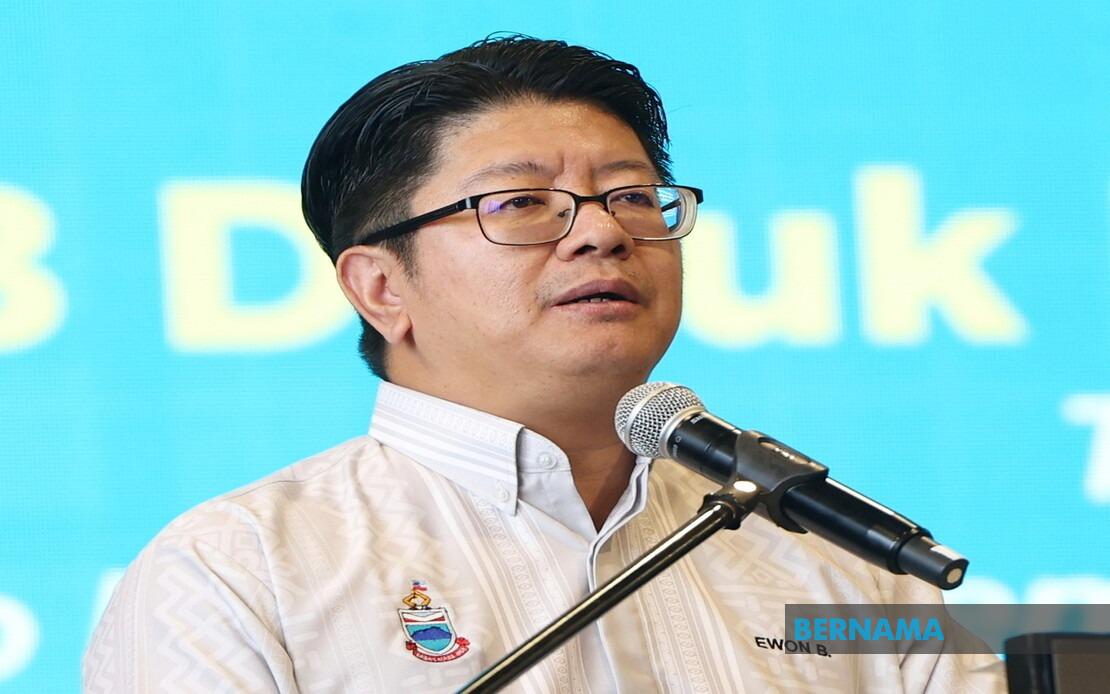
Datuk Ewon Benedick and Datuk Donald Peter Mojuntin have secured uncontested re-election as president and deputy president of the United Progressive Kinabalu Organisation (UPKO) for the 2026-2029 term, in a result that underscores the party's leadership stability heading into the final years of the current political cycle. The election, held during the party's 17th triennial delegates conference in Penampang, saw the leadership positions pass without opposition, a rare occurrence in Malaysian party politics that signals broad internal consensus around the current direction.
Beyond the top two posts, the five vice-presidential positions also remained unchanged hands, with Jairaiaz Joseph, Datuk Wong Thien Fook, Datuk Pangiran Lalung, Datuk Basari Sarikun, and Datuk Dr Laurentius Nayan Ambu all retaining their portfolios without contest. This comprehensive continuity at the highest levels of the party structure suggests that UPKO's delegates view the existing leadership team as effective stewards of the organisation's interests, particularly given the party's positioning within the broader Gabungan Rakyat Sabah (GRS) coalition framework that dominates state politics in Sabah.
In his closing remarks to the conference, Ewon articulated a philosophy emphasising party cohesion and democratic legitimacy, framing the unopposed outcome as a strengthening factor rather than a potential weakness. He emphasised respect for democratic principles while stressing that all party members constitute an integrated family unit, thereby positioning the absence of contestation as a reflection of unified membership sentiment rather than suppressed internal dissent. This rhetorical approach serves an important function in Malaysian party politics, where legitimacy often hinges on projecting both democratic credentials and organisational harmony.
The new leadership structure carries responsibilities that extend well beyond internal party management. Ewon highlighted that UPKO's elected representatives must systematically present party policy positions to the state and federal governments, particularly channelling party resolutions through Chief Minister Datuk Seri Hajiji Noor, who holds the GRS chairmanship. This functional relationship between UPKO's leadership and the broader GRS coalition remains crucial to understanding how the party translates its political positions into influence over governance in Sabah.
Parallel to the stability at the apex, UPKO witnessed notable leadership transitions across its various wings, reflecting the party's commitment to developing new talent within its organisational ranks. Carlye Lajimin assumed the role of UPKO Youth chief, displacing the previous officeholder and signalling a deliberate succession strategy within the youth segment. Similarly, Newbaxter Tibin was appointed deputy youth chief, suggesting a structured approach to mentoring next-generation political operatives within the party structure.
Within UPKO's women's wing, continuity proved the dominant theme, as Mohina Sidom defended her position as chief, maintaining her leadership mandate through a successful re-election contest. Her victory suggests effective performance in advocating for women's participation within UPKO's structures. Lomiti Jahan's election as deputy chief introduces fresh representation to the women's leadership team while maintaining overall stability in this important constituency group.
The party's young generation wing also witnessed leadership changes, with Emmanuel Atin elected as chief and Alison Chan assuming the deputy chief position. These appointments across the youth and young generation segments reflect UPKO's apparent strategy of periodically refreshing lower-tier leadership while maintaining consistency at the party's strategic apex. Such an approach balances the need for continuity in overall direction with opportunities for emerging figures to gain visibility and experience within party hierarchies.
For Malaysian political observers, UPKO's election results merit attention as a case study in how a component party within a larger coalition manages its own internal dynamics. The organisation operates within the context of GRS's coalition government in Sabah, meaning its leadership transitions and policy positions carry implications for state-level governance. The unopposed return of Ewon and Mojuntin suggests the GRS coalition's structure remains stable, with component parties managing smooth power transfers that reinforce rather than destabilise the broader governing arrangement.
The emphasis on presenting party resolutions through parliamentary and state assembly debates indicates UPKO's leadership intends to maintain an active advocacy posture within legislative forums. This approach allows smaller coalition partners to maintain distinct policy profiles while remaining operationally aligned with GRS governance priorities. For Sabah's electorate, UPKO's continued leadership focus on articulating party positions in formal debate venues provides a mechanism through which distinct political voices can be heard within the constraints of coalition governance.
Looking ahead to the 2026-2029 term, UPKO's reaffirmed leadership faces the dual challenge of maintaining internal party dynamism while contributing effectively to GRS coalition stability. The unopposed elections suggest confidence among delegates in the party's current strategic direction, yet the leadership transitions at wing level indicate awareness that organisational health requires ongoing renewal at intermediate levels. How Ewon and Mojuntin navigate potential tensions between coalition discipline and independent party advocacy will likely define UPKO's influence throughout the remainder of the decade.

