%22%2F%3E%3C%2Fpattern%3E%3C%2Fdefs%3E%3Crect%20width%3D%22100%25%22%20height%3D%22100%25%22%20fill%3D%22url(%23ph5qtp4g)%22%2F%3E%3Crect%20width%3D%22100%25%22%20height%3D%22100%25%22%20fill%3D%22url(%23ph5qtp4p)%22%2F%3E%3Ctext%20x%3D%2250%25%22%20y%3D%2250%25%22%20text-anchor%3D%22middle%22%20dominant-baseline%3D%22central%22%20fill%3D%22rgba(255%2C255%2C255%2C0.95)%22%20font-family%3D%22Georgia%2C%20'Times%20New%20Roman'%2C%20serif%22%20font-weight%3D%22700%22%20font-size%3D%22226%22%20letter-spacing%3D%22-0.02em%22%3EExists%3C%2Ftext%3E%3C%2Fsvg%3E)
The music scene in Penang is gearing up for a significant cultural celebration as three established Malaysian rock acts prepare to take the stage at the RIUH Pi HAWANA Carnival, scheduled for June 19 to 21 at the PICCA Convention Centre Parking Lot in Butterworth. Organised by MyCreative Ventures alongside National Journalists' Day 2026 commemorations, the event promises to blend live entertainment, heritage activities and community engagement into an extended weekend festival designed to appeal to families and music enthusiasts across the northern region.
The carnival structure reflects careful planning to accommodate different audiences and schedules. Friday's programme kicks off at 8.30 pm and continues until midnight, while Saturday and Sunday shift to an earlier 3 pm start time, running through to midnight on both evenings. This adjustment recognises the varying preferences of weekend crowds, allowing working professionals to attend after their commitments while providing afternoon activities for families with younger children. The extended hours across three days should maximise foot traffic and create multiple entry points for visitors.
Headlining the musical programme are three bands with distinct followings in Malaysia's rock landscape. Exists will launch the festivities on the opening night, establishing momentum for the weekend ahead. Bunkface, known for their energetic stage presence and established fanbase, takes the spotlight on Saturday, while Masdo closes the carnival on Sunday evening. This strategic sequencing allows each act to draw its core supporters while building anticipation throughout the weekend. Beyond these three anchors, the carnival has secured an impressive supporting lineup featuring Chelsea Ng, Sakura Band, Fugo, Saint Kylo, Lucidrari and Budak Nakal Hujung Simpang, ensuring continuous musical entertainment across the three days.
Organisers project attendance of approximately 30,000 visitors, a figure that underscores the event's scale and ambition for the Penang market. This projection reflects confidence in the appeal of the headline acts combined with the broader family-friendly programming. The expected crowd size positions RIUH Pi HAWANA as a significant regional event with meaningful economic implications for local vendors and service providers operating throughout the weekend.
Beyond the concert component, the carnival emphasises cultural preservation and creative participation through a curated workshop programme. Sessions in cyanotype and lumen printing offer visitors hands-on experience with alternative photographic techniques, while stone seal carving workshops connect participants to traditional craftsmanship. Zine-making activities appeal to younger creative audiences, whereas Nyonya beading experiences and Boria heritage exploration activities specifically celebrate Penang's multicultural identity and historical significance. This workshop approach transforms the carnival from a passive entertainment venue into an immersive educational space where attendees can develop new skills and deepen appreciation for local artistic traditions.
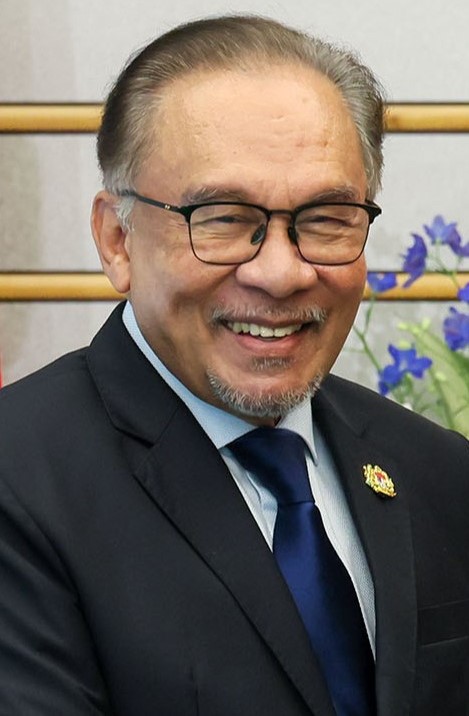
The carnival functions as a cultural satellite to the broader HAWANA 2026 Summit, a gathering of approximately 1,000 media practitioners from Malaysia and international delegations. Prime Minister Datuk Seri Anwar Ibrahim is scheduled to officiate the summit on June 20, lending governmental visibility and weight to proceedings. The ministry-level coordination, with the Ministry of Communications overseeing arrangements and Bernama serving as implementing agency, reflects official recognition of journalism's role in national development.
HAWANA 2026 adopts the thematic framework "Media Integrity strengthens Credibility," positioning the summit as a substantive forum for examining journalism's contemporary challenges and responsibilities. This framing acknowledges the increasing scrutiny media institutions face regarding accuracy, independence and ethical practice. By anchoring the theme to credibility, organisers signal that professional journalism constitutes essential infrastructure for healthy public discourse and informed citizenship, particularly relevant in Southeast Asia's rapidly evolving media landscape.
The integration of the carnival with the journalism summit creates interesting symbolic juxtaposition. While the summit itself operates as formal professional gathering addressing media ethics and industry standards, the carnival provides public-facing cultural engagement that demonstrates journalism's connections to broader creative and community ecosystems. This parallel programming suggests recognition that journalism's health depends not merely on institutional credibility but on sustained public interest and cultural investment in quality information sources.
For Penang specifically, the event represents a substantial cultural investment in the state's music and arts infrastructure. The northern region has historically hosted major entertainment properties, but dedicated three-day music festivals remain relatively infrequent. RIUH Pi HAWANA's commitment to the Butterworth venue addresses geographic gaps in festival distribution, bringing professional-scale production to audiences outside the Kuala Lumpur metropolitan bubble. The inclusion of local food and beverage vendors alongside established brands ensures economic benefits flow to smaller enterprises while maintaining quality service standards.
The workshop programming particularly merits attention for its deliberate focus on heritage preservation. Nyonya beading and Boria exploration activities specifically target cultural knowledge at risk of generational transmission loss. By embedding these activities within contemporary festival infrastructure, organisers create accessible entry points for younger audiences to engage with traditions their families may practice but which lack visible cultural platforms. This programming philosophy recognises that heritage preservation requires active integration into living cultural experience rather than museum-style preservation alone.
The timing of RIUH Pi HAWANA carries additional significance given the journalism summit's prominence. The carnival essentially creates democratic cultural space around official professional deliberations, allowing wider public participation in conversations about media's role in society. Local musicians, artists and craftspeople become stakeholders in the broader conversation about information integrity and cultural credibility, expanding the summit's reach beyond newsroom professionals and policy audiences.
As the event approaches, attention will likely focus on whether the projected 30,000 attendance figures materialise and whether the workshop programming achieves meaningful community engagement. The success of such hybrid events—combining headline entertainment with cultural education and professional summitry—depends substantially on execution quality and genuine attention to visitor experience across all programme components. For Malaysian readers, RIUH Pi HAWANA represents an instructive model of how entertainment properties can serve multiple cultural and professional functions simultaneously.