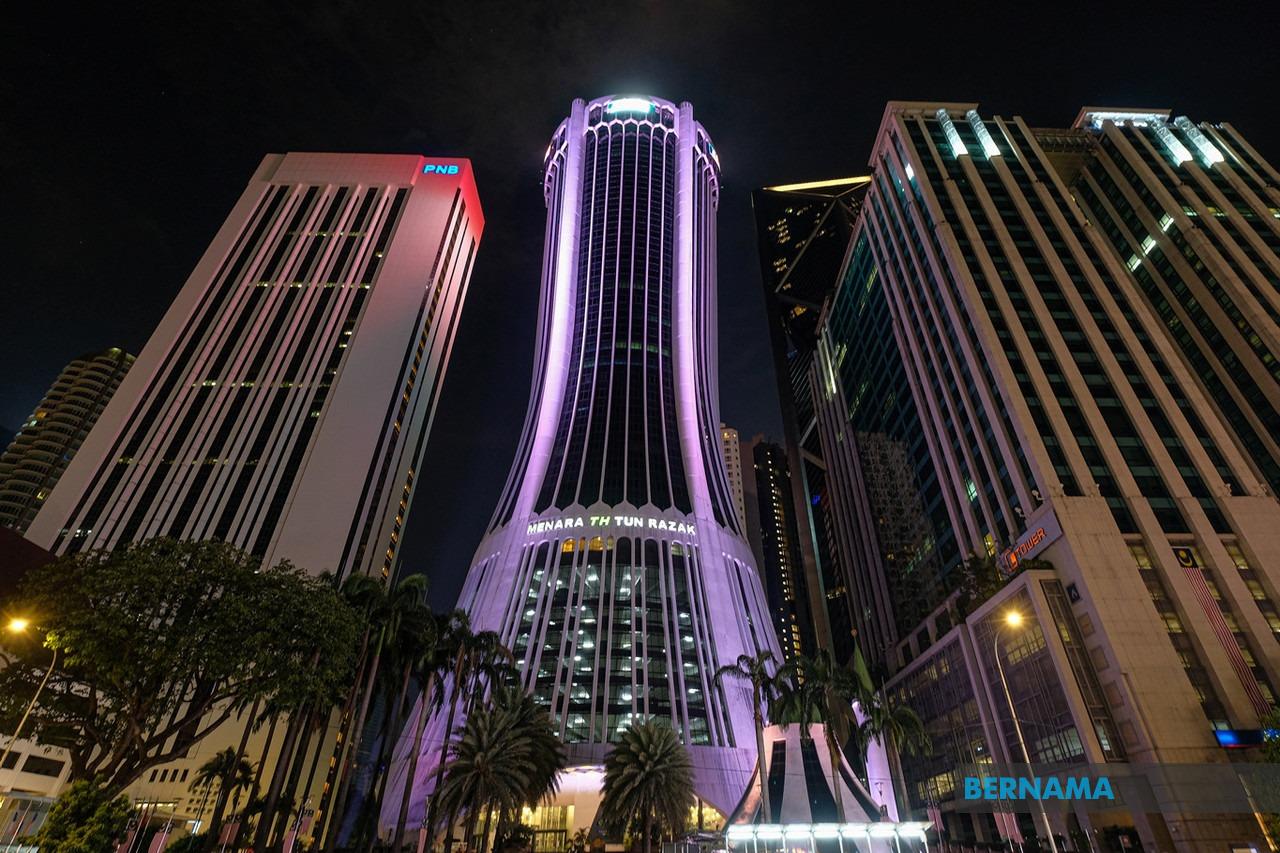
The push to publicly disclose the Tabung Haji Royal Commission of Inquiry report has gained momentum among Malaysian academics and civil society figures, who contend that transparency is fundamental to restoring public confidence in an institution that holds the savings of millions of Muslim pilgrims preparing for the hajj. The RCI investigation examined governance failures and potential misconduct at Lembaga Tabung Haji (TH), and experts argue that withholding the findings undermines depositors' legitimate right to understand what went wrong and what remedial steps are underway.
Dr Mazlan Che Soh, a political science senior lecturer at Universiti Teknologi MARA's Seremban campus, emphasizes that the timing and manner of the report's release matter substantially. While supporting open disclosure, he warns against weaponizing the document for short-term political gain or to assign culpability before the legal system has completed its work. The distinction is significant in Malaysia's context, where sensitive institutions linked to Islamic finance and Muslim interests can become flashpoints for political contestation. Dr Mazlan frames transparency not as a partisan issue but as a fiduciary obligation: Tabung Haji functions as a trust institution managing savings earmarked for a religious obligation, fundamentally different from a conventional commercial bank.
The academic suggests a measured approach involving the release of an executive summary that distills key findings, enumerates which RCI recommendations the government has already implemented, and charts a clear roadmap for outstanding reforms. This strategy balances the public's informational needs with administrative prudence. Such transparency would address lingering questions about governance lapses, identify structural weaknesses in oversight mechanisms, and demonstrate institutional learning so that future scandals can be prevented. For Malaysian depositors—many of them ordinary workers saving modest amounts over decades—knowledge of corrective measures underway provides reassurance that their funds are being safeguarded more rigorously than before.
While acknowledging that the report's release might influence voter perceptions, particularly among Malay-Muslim voters and TH depositors who have legitimate grievances, Dr Mazlan argues this should not deter disclosure. Malaysian voters, he notes, make electoral decisions based on multifaceted considerations extending far beyond single issues: the cost of living crisis, state-level governance performance, candidate integrity, established party loyalties, and the strength of grassroots organization all weigh heavily. The Tabung Haji matter, while symbolically important, competes for attention amid broader economic anxieties and governance concerns. This contextual observation suggests that report release, though potentially notable, is unlikely to produce seismic shifts in the overall political landscape.
Dr Jamaie Hamil, a political science lecturer at Universiti Kebangsaan Malaysia's Faculty of Social Sciences and Humanities, reinforces the view that the Tabung Haji issue has festered too long in ambiguity. He notes that institutional improvements have already occurred incrementally—beginning under the Pakatan Harapan administration and continuing into the current MADANI Government. Prolonging secrecy about what those improvements address, and what remains unresolved, creates a vacuum that speculation and distrust inevitably fill. The longer the RCI report remains under wraps, the more it becomes a symbol of governmental reluctance to face uncomfortable truths, potentially eroding confidence not just in Tabung Haji but in the broader machinery of accountability.
Public sentiment on the matter has begun surfacing organically. Wan Osman Hashim, a 70-year-old retired civil servant, posted a video on TikTok calling for swift governmental action. In measured terms, he articulated why resolution matters: depositors need confidence that their savings remain secure, the institution requires clarity to function credibly, and public resources cannot be squandered on mismanagement without consequence. His message—subsequently amplified by Communications Minister Datuk Seri Fahmi Fadzil—reflects grassroots frustration with indefinite delay. Ordinary Malaysians who have faithfully contributed to Tabung Haji regard rapid report release not as a political favor but as a basic accountability owed to them.
Prime Minister Datuk Seri Anwar Ibrahim has signaled openness to disclosure, expressing confidence that the Cabinet will approve public release of the RCI report once it is formally presented. This indicates that at the highest political level, there is recognition that transparency serves institutional rehabilitation better than secrecy. The Prime Minister's stance suggests that the government views the report not as a liability to be managed but as a document whose contents, once explained and contextualized properly, can actually strengthen public confidence if paired with credible reform commitments.
The case for immediate release rests on several interlocking grounds. First, Tabung Haji is not merely a financial enterprise but a faith-based institution managing savings linked to a central Islamic obligation. That distinction elevates the moral weight of transparency. Second, millions of Malaysian families depend on Tabung Haji's stability and integrity; they have contributed over decades in good faith. Third, governance failures left unaddressed in public discourse create moral hazard and reputational damage that protracted silence worsens rather than mitigates. Fourth, the RCI itself was a public investment; concealing its conclusions betrays the original investigative purpose.
For Southeast Asian observers, the Tabung Haji situation illuminates broader regional tensions between institutional accountability and political risk management. Many Muslim-majority nations in Southeast Asia struggle with the challenge of managing faith-based financial institutions where transparency and governance must be balanced against religious sensitivities and political considerations. Malaysia's approach—whether it opts for timely disclosure or continued delay—will set a regional precedent for how democracies handle such politically sensitive institutional investigations.
The momentum toward report release reflects a growing consensus that public institutions, particularly those holding citizens' savings, cannot function legitimately without transparency. The risk of indefinite secrecy is not that the report will damage political fortunes—most voters weigh multiple concerns—but that institutional credibility itself becomes permanently compromised. For Tabung Haji to recover public trust and resume its core mission of facilitating hajj savings, the full findings and the government's reform response must be laid bare. Anything less invites continued speculation and erodes the fiduciary relationship that makes the institution possible.

