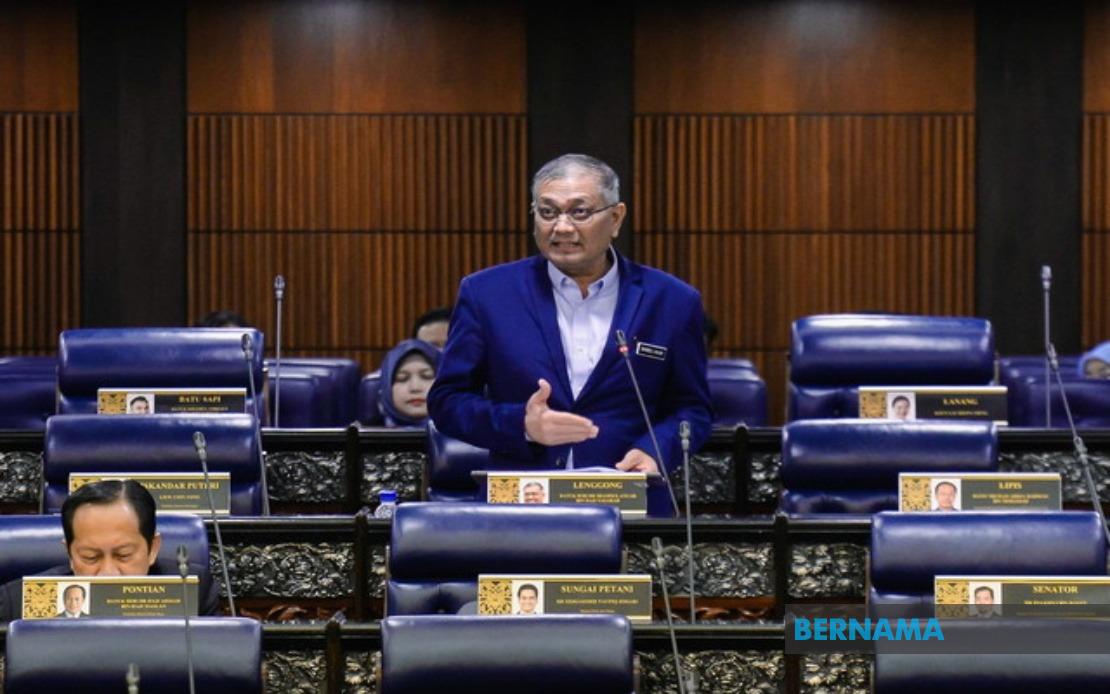
The Home Ministry has pushed back against criticism of extra drills and field duties within the Royal Malaysia Police, insisting that such measures represent a controlled disciplinary framework rather than a punitive system designed to inflict harm. Deputy Minister Datuk Seri Dr Shamsul Anuar Nasarah made the clarification during parliamentary proceedings, responding to concerns raised by a lawmaker about the implementation and potential risks of these duties for officers at all ranks.
The practice operates under established police regulations, specifically Paragraph 32 of the Inspector-General of Police's Standing Orders on Discipline, which applies to junior personnel found to have committed minor infractions. According to the ministry, field duties serve multiple purposes: they establish professional standards, develop character traits essential for policing, and create opportunities for behavioural modification when officers fall short of expectations. This framing presents such duties as rehabilitative rather than retributive, distinguishing them from formal disciplinary action that may carry more severe career consequences.
The renewed focus on these practices stems from the death of a policeman in Sepang during May, an incident that prompted parliamentary scrutiny and public concern about whether officers face unsafe working conditions under the guise of discipline. Roy Angau Gingkoi, the lawmaker who raised the matter, specifically asked whether the ministry had established standardised operating procedures for implementing extra drills and whether disciplinary measures applied uniformly across all police ranks. His questions reflect growing unease about consistency and fairness in how the force treats its members.
In response to the incident, the Police Integrity and Standards Compliance Department issued a fresh administrative directive in late June that introduces additional safeguards. A health assessment form now forms part of the disciplinary process, intended to evaluate an officer's physical and medical fitness before participation in field duties. This procedural enhancement represents an attempt to prevent situations where personnel with underlying health conditions or injuries might be placed in circumstances where their wellbeing could be compromised.
Existing regulations already impose temporal constraints on such duties: field assignments may not extend beyond four hours daily and cannot continue for more than five consecutive days. These limits reflect recognition that extended duties could constitute unreasonable strain on officers. More significantly, the supervising officer bears explicit responsibility for ensuring that duties proceed in a controlled, safe manner with consideration given to each individual's physical condition, general health, the surrounding environment, and any other circumstances that might affect their safety. This accountability framework theoretically prevents arbitrary or reckless implementation by commanding officers.
One contentious element has been the perception that extra drills disproportionately affect lower-ranking personnel while senior officers escape equivalent consequences. Shamsul Anuar addressed this directly, explaining that Paragraph 32 exists as an alternative mechanism tailored specifically for junior police officers facing minor disciplinary matters. He maintained that this distinction does not reflect favouritism but rather reflects the legal framework governing different service categories within the police force. Senior officers, he argued, fall under separate provisions based on their respective service classifications, meaning they may face different disciplinary processes aligned with their rank and responsibilities.
The ministry's position essentially argues that critics conflate distinct disciplinary pathways with discriminatory practice. However, this explanation does little to assuage concerns that the system may operate with inherent inequality. Malaysia's hierarchical police structure has long faced scrutiny for allegedly protecting senior ranks from accountability while strictly enforcing standards lower down the chain of command. Without transparent data showing how discipline is applied across ranks, assurances of fairness remain difficult to verify independently.
Another worry centres on whether field duties, despite official characterisation, could mask bullying or hazing practices within the force. Shamsul Anuar emphasised that every disciplinary action follows strict procedures and cannot be imposed arbitrarily by individual officers acting according to personal whim. In theory, this safeguard prevents commanding officers from weaponising field duties to settle personal grievances or maintain informal hierarchies through intimidation. Yet procedural rules on paper do not inevitably translate into consistent compliance across the country's numerous police districts and units, particularly if supervision remains lax or institutional culture normalises informal pressures.
The incident in Sepang and subsequent parliamentary questions have highlighted broader questions about police welfare and the boundaries between legitimate discipline and harmful practices. Malaysia's police force operates under considerable pressure, managing crime in an increasingly complex society while balancing community expectations with resource constraints. Officers themselves face demanding physical and psychological conditions, raising legitimate questions about whether additional duties constitute reasonable discipline or excessive burden.
The Home Ministry's reframing of extra drills as character-building exercises reflects broader tension within modern policing: how to maintain discipline and professionalism while safeguarding officer welfare. International police forces have increasingly recognised that harsh disciplinary cultures can undermine morale, increase burnout, and paradoxically reduce professional standards. The introduction of health assessment forms suggests the ministry recognises these risks, yet sceptics argue that surface-level procedural additions do not fundamentally address cultural attitudes toward junior ranks.
Moving forward, the effectiveness of these measures will depend largely on implementation consistency across the force. Police departments nationwide will need to train supervising officers on proper administration of health assessments and ensure that duration limits are genuinely respected. Additionally, mechanisms for reporting concerns about implementation—without fear of career consequences—would strengthen the protective intent behind revised procedures.
For Malaysian civil society and police accountability advocates, this parliamentary exchange underscores the importance of maintaining scrutiny over how disciplinary powers are exercised within security forces. The ministry's assurances require verification through independent monitoring, transparent reporting on disciplinary actions across ranks, and meaningful investigation of any incidents where officers suffer harm during supposedly routine field duties. Without such oversight, the distinction between discipline and harm remains dangerously ambiguous.

